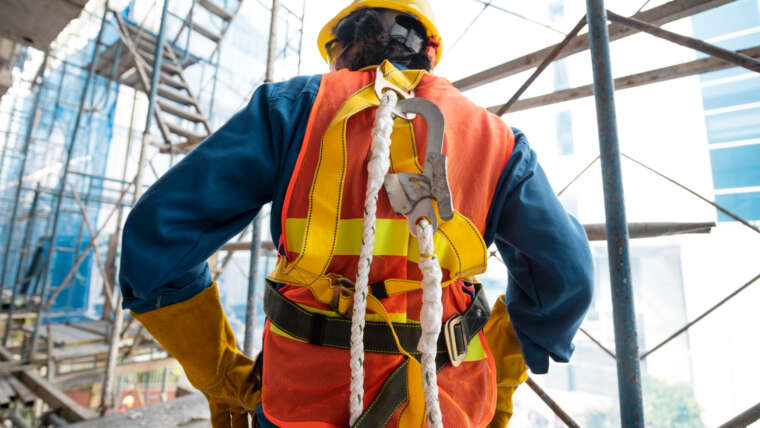
Running a business is hard. There’s always something demanding your attention. Payroll, meetings, projects—you name it. But one thing you can’t ignore is safety. Subtle hazards abound in older buildings; wet floors or fire exits don’t cover them all! Walls, ceilings and even insulation could contain hidden hazards which are hard to identify on their own. That’s why asbestos removal companies provide invaluable support, helping your workplace remain safe so that you can focus on running your business safely while they handle everything for you. Not only do they meet compliance but they provide peace of mind as well.
Table of Contents
Being Familiar With the Rules
Safety regulations might seem confusing. There’s federal law, state law, even local ordinances. You don’t have to memorize it all. But knowing the basics matters. It keeps your employees safe. And it keeps you out of trouble.
Think of it as a roadmap. It shows you where the risks are and what steps to take. Following regulations isn’t just a legal chore. It’s a way to run your business smarter. It’s about being proactive. Catch small issues before they become disasters. And when your team sees that safety matters, they take it seriously too.
Spotting the Hidden Dangers
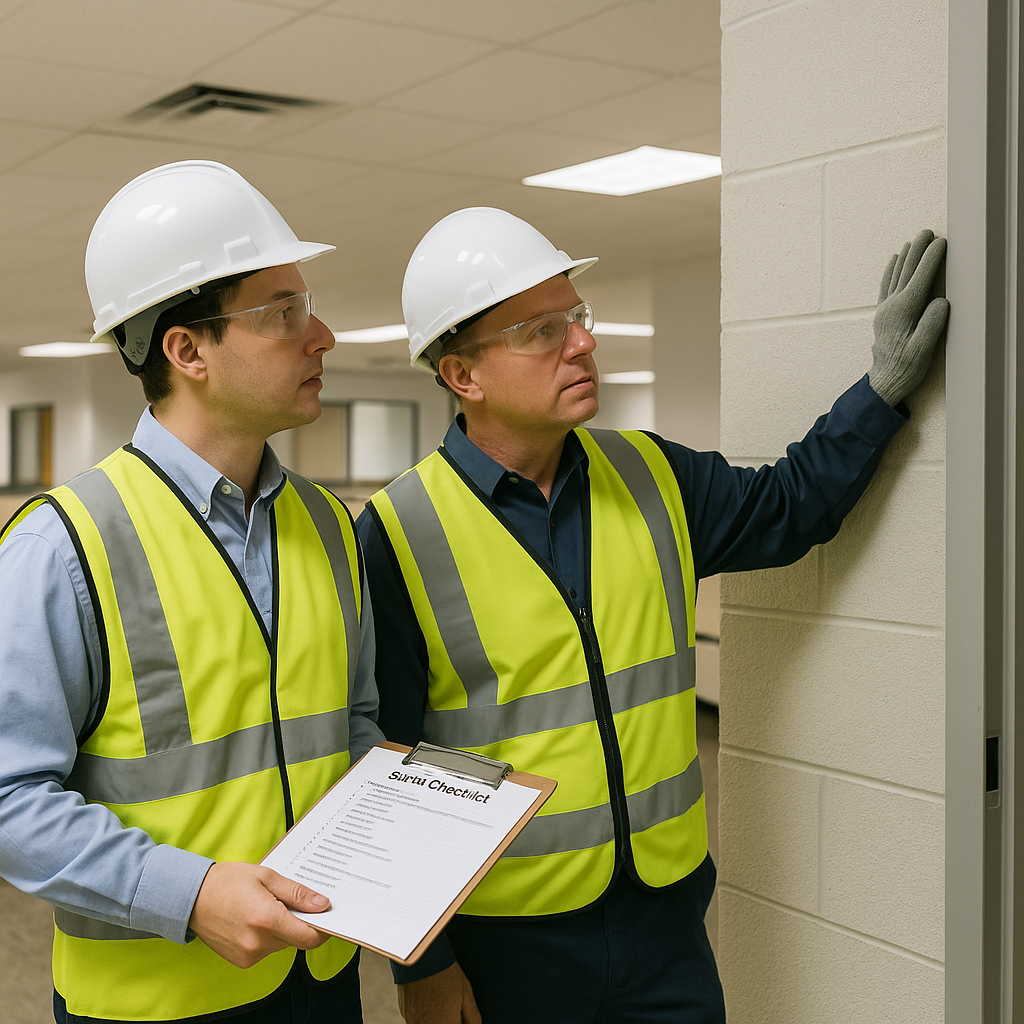
Some hazards are obvious. Wet floors, exposed wires, heavy equipment. Others hide. Chemicals, mold, poor ventilation, or old building materials. Asbestos is one of those sneaky ones. It could be in insulation, walls, ceilings. Mess with it the wrong way, and it’s serious.
This is where professionals help. Early detection prevents accidents and fines. It might feel like an added cost. But ignoring it can cost way more. Asbestos removal companies know exactly what to look for and how to handle it safely. They also know the rules around containment, disposal, and documentation. It’s not something you want to guess at.
And the truth is, even small oversights can be dangerous. Dust, tiny fibers, or hidden spots can put your employees at risk. That’s why involving pros early isn’t just smart—it’s necessary.
Making a Safety Plan
A good plan isn’t a single sheet of paper. It’s living. Start by walking through your space. Take notes. List hazards. Then, make clear steps. What happens in emergencies? Who reports risks? How often do inspections happen?
Routine inspections are essential. Check alarms. Replace worn signs. Keep pathways clear. Even small fixes prevent accidents. And some risks need professionals. Handling asbestos or other dangerous materials isn’t something you want to do alone. Including specialists in your plan keeps everyone safe.
Also, document everything. It may seem tedious, but clear records protect you if something goes wrong. And it makes training easier. You’ll know exactly what steps were taken, and what still needs attention.
Training Your Team
Your plan only works if people follow it. That’s why training matters. Keep sessions short. Make them practical. Hands-on learning beats long lectures. Encourage questions. Let staff speak up.
Engage your team. When they feel involved, they take safety seriously. Rotate responsibilities. Don’t put all knowledge on one person. Everyone should know what to do if something goes wrong. It spreads responsibility and reduces panic.
You can even turn training into mini drills. Walk through scenarios. Test procedures. It sounds small, but these exercises save lives. And they build confidence. Your team will feel ready for anything.
Staying Updated
Safety isn’t a one-time deal. Rules change. Hazards change. Technology changes. That’s why you need regular checks. Audits, inspections, reviews. Keep your policies fresh.
Follow safety updates from authorities. Sign up for newsletters or alerts. And don’t hesitate to lean on experts. They help you understand new rules. They make sure you’re doing things right. It lowers risk. And gives you peace of mind.
Also, remember that even small improvements make a difference. Upgrading ventilation, replacing old insulation, or just fixing minor leaks can prevent bigger problems. Safety isn’t just about avoiding fines—it’s about creating a workplace people feel comfortable in.
Wrapping It Up
Workplace safety can seem complicated. But it doesn’t have to be. Know the basics. Spot hazards early. Make a living safety plan. Train your team. And get help when you need it. Safety isn’t just a legal requirement. It’s smart business. Protects your employees. Protects your reputation. Prevents fines. Hazards like asbestos can be handled safely if you plan. And peace of mind? That’s priceless. A safe workplace makes everything else easier. Everyone feels secure. Productivity goes up. Stress goes down. And running your business? It just works better.