Buying a home is one of the most significant investments many people make, and ensuring that your purchase is sound requires careful attention. Recognizing potential issues early can save time, money, and stress down the road. From structural problems to outdated systems, hidden defects may not be immediately visible but can have long-term consequences if overlooked. Understanding what to look for before making a commitment allows buyers to make informed decisions and avoid unexpected surprises.
One of the most effective ways to uncover these concerns is through professional home inspections. These inspections provide a thorough evaluation of a property’s condition, highlighting areas that may need repair or maintenance. By combining personal observation with expert insight, buyers can approach the process with greater confidence and clarity. Taking the time to identify potential problems early is a smart step toward a safe and secure home investment.
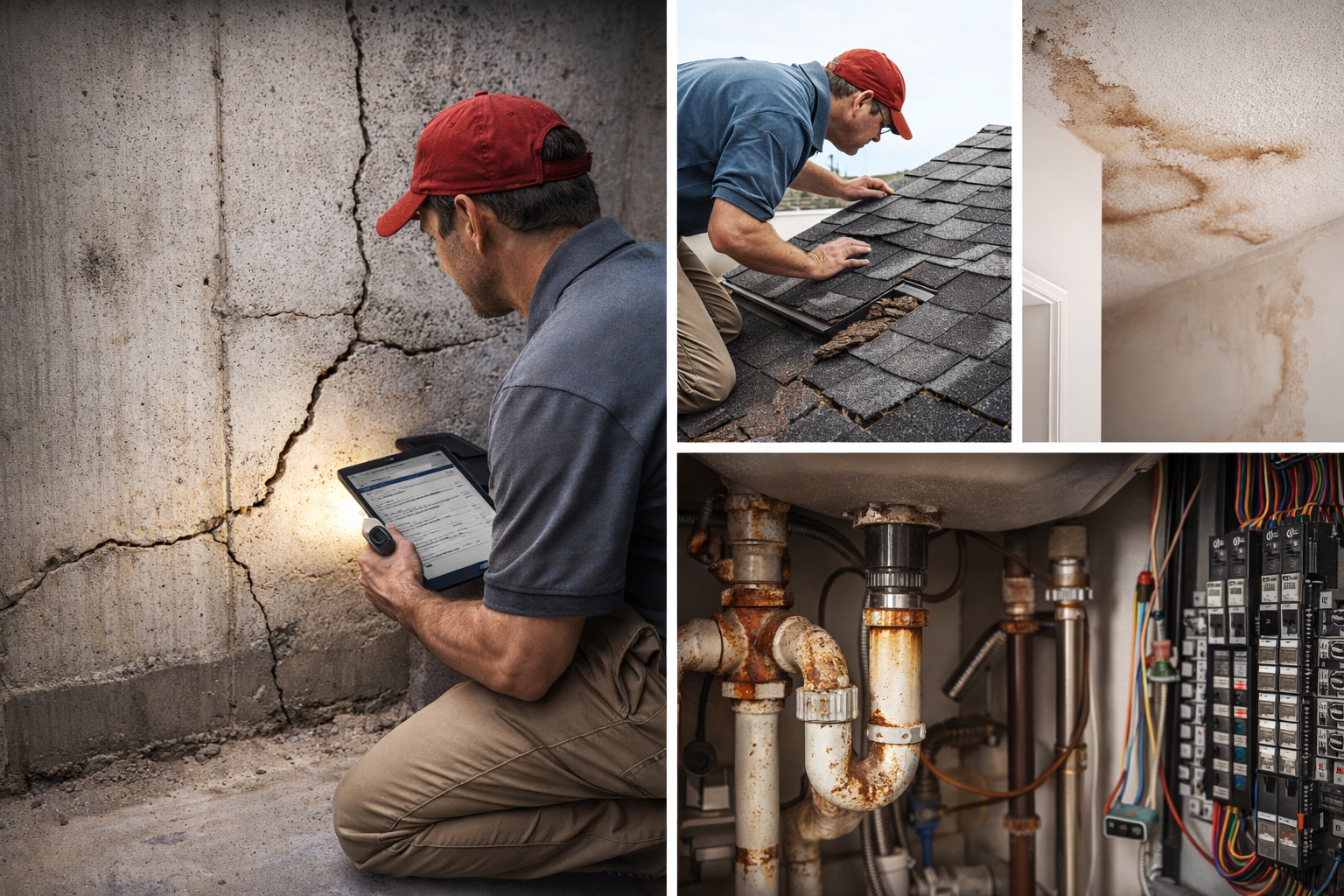
Table of Contents
Examine the Foundation and Structural Integrity
The home’s foundation is its literal base. If the foundation is compromised, the entire structure may be at risk. Check for major cracks, bulges, or shifting in the foundation walls, as well as uneven flooring or doors and windows that stick or will not close properly. These symptoms often point to movement or settling that could lead to major repairs or even structural instability. Foundation issues are among the most expensive and serious problems to fix in a home.
Inspect the Roof Condition
The roof is your home’s first barrier against the elements. Look for missing or curling shingles, patches of discoloration, sagging, or signs of moss or algae. Ask about the roof’s age, as most asphalt shingle roofs only last 20 to 30 years. A failing roof can lead to leaks, water damage, and even mold, making replacement a high but essential investment if the roof is near the end of its lifespan.
Look for Signs of Water Damage
Water damage can be a silent destroyer. Examine ceilings, walls, and floors for stains, warping, bubbling paint, or soft spots, especially in basements and attics. A musty smell is a common indicator of moisture or hidden mold growth. Persistent moisture issues often signal leaks in the roof, foundation, or plumbing and can quickly escalate if left unaddressed.
Assess Electrical and Plumbing Systems
Reliable plumbing and wiring are vital for your comfort and safety. Check that the electrical panel is modern and properly labeled. Look for frayed wires, scorched outlets, or flickering lights. Investigate the plumbing for signs of rust-colored water, leaks under sinks, or slow drains. Plumbing that still uses galvanized pipes may be nearing the end of its lifespan and could require a full replacement.
Evaluate the HVAC System
A functioning heating, ventilation, and air conditioning system is non-negotiable in climates that experience extreme temperatures. Inspect maintenance logs, check the age of each unit, and ensure consistent airflow and uniform temperatures throughout the home. Replacing an aging HVAC system can be costly, so factor this into your purchase decision if the system is old or poorly maintained.
Investigate the Neighborhood
The home’s location can strongly affect your satisfaction and investment return. Drive around the area and look for signs of neglect, such as vacant houses, overgrown lawns, or abandoned vehicles. A high volume of homes for sale or distressed properties could hint at underlying community or economic problems, which may negatively affect your future property value.
Be Wary of Cosmetic Fixes
Sellers sometimes use fresh paint, updated fixtures, or new flooring to cover up underlying problems rather than fix them. Look beyond surface upgrades and scrutinize the workmanship. Check whether permits were pulled for any major renovations, as unpermitted work could come back to bite later. DIY fixes that do not meet code can be an expensive headache for new owners. For more information on spotting hidden issues, check out this detailed guide from Consumer Reports.
Hire a Professional Home Inspector
While your walk-through and personal research can uncover many issues, a certified home inspector offers the expertise and unbiased eye that most homebuyers lack. Inspectors use specialized tools and knowledge to identify hidden or developing problems, sometimes saving you thousands by spotting flaws before they escalate. Their report can provide a powerful basis for price negotiation or for walking away from a problematic deal.
Conclusion
Identifying potential issues before buying a home is key to making a confident, informed decision. From examining the foundation and roof to checking plumbing and electrical systems, a thorough evaluation can prevent costly surprises and protect your investment. Paying attention to both visible and hidden warning signs and enlisting the expertise of a professional home inspector ensures you move forward with clarity and peace of mind, turning your dream home into a smart, secure purchase.