Flooring is one of those things people rarely notice when it’s good, but everybody notices when it’s bad. You step inside a commercial space, see tattered, mismatched carpet. It gives the wrong impression before you even meet with someone. You step inside a space with cohesive, maintained flooring that makes sense for the space. It feels professional. It feels intentional. More business owners need to realize the difference.
The ground covers more surface area than anything else in a building. It’s what connects rooms, hallways, entry points from area to area. Getting it right can really have an impact on how spaces function and how people feel.
Impression Starts At The Ground
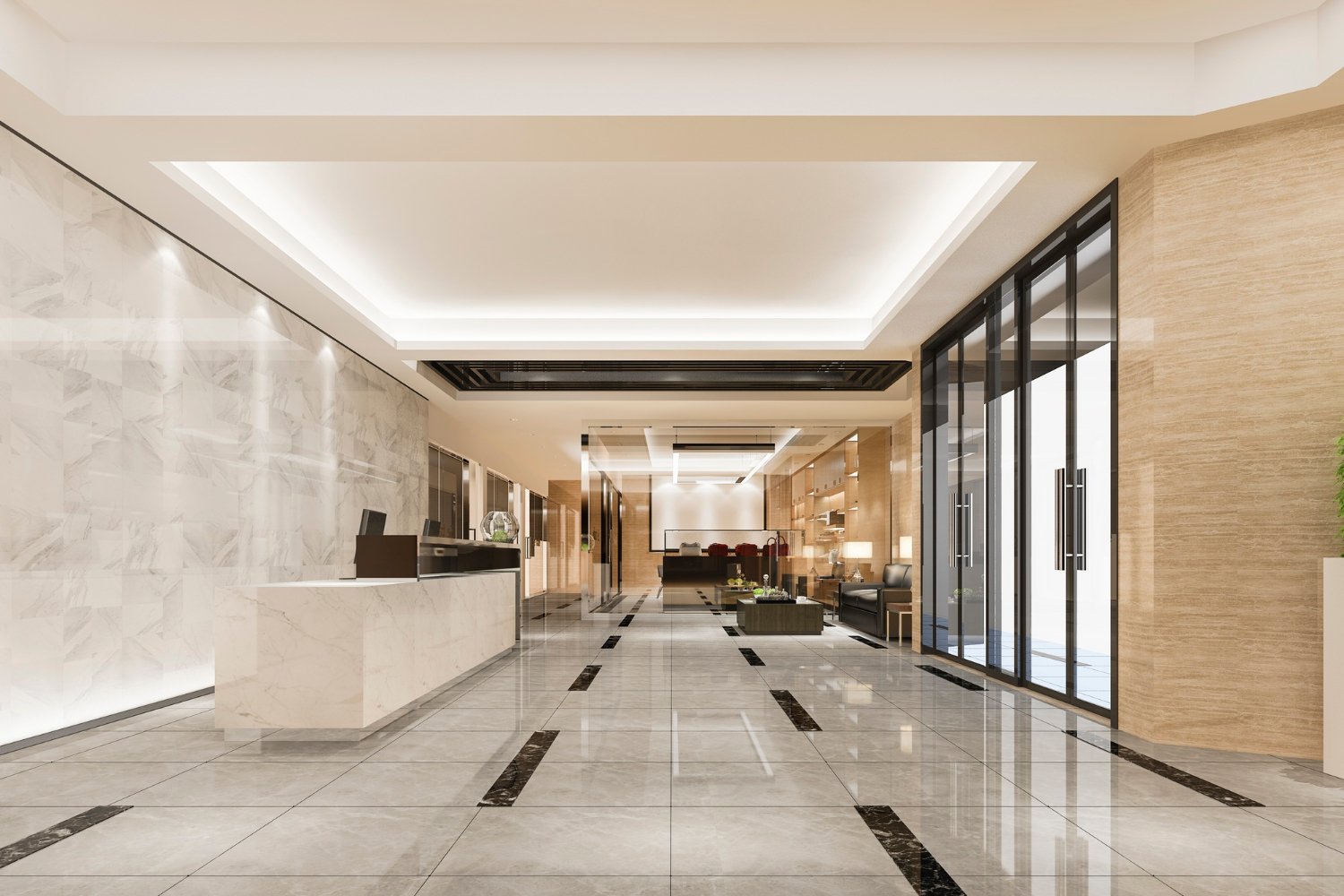
Whether it’s a client stepping into a new business for a meeting or a new employee stepping through the front door on their first day, impressions start before a word is said. At reception, quality flooring will signify that the business cares enough to start out on the right foot. Quality flooring doesn’t need to be ostentatious; it simply needs to look intentional and representative of the brand.
Harder floors appeal in minimal spaces where polished concrete or a quality vinyl plank can achieve a clean, modern appeal. Where a softer surface may look more appealing would be with carpet, especially as it promotes warmth to spaces that otherwise may come off cold or sterile. Either way, intent and image are critically important.
Functionality Must Come First
How something looks does matter. However, when dealing with commercial spaces, they need to work hard as well. High foot traffic alone will play a role; moving furniture around and spills combined with cleaning machinery all take their toll as well. Businesses fail when they select surfaces solely based on aesthetics.
Enter products like carpet tiles that genuinely make sense. They can hold up to the rigors of a busy commercial atmosphere, and one of their most significant advantages is their reparability. Should they get wet or damaged, one tile can be pulled out and replaced instead of ripping up an entire segment of flooring. For a business that cannot afford time lost, this is incredibly valuable.
In addition, it’s critically important to think about what a space needs. A healthcare environment requires easy sanitizing opportunities. A call center requires sound-absorbing capabilities. A retail showroom does not want attention drawn to the floor but rather keeping it clean and polished. Each option needs to be determined based on intended use.
Sound Absorption’s an Overlooked Element
Open offices are everywhere today. They’re meant for collaboration, but they’re also extremely loud. Harder surfaces promote sound. Footsteps echo. Chairs scrape. Voices carry. All of this makes it difficult to concentrate on any one thing.
Carpet and textile-based options do a much better job of absorbing sound. Alone, a couple of steps may not seem too overwhelming. However, as noise spreads throughout an open plate, over time it adds up; employees find that they’re not as fatigued in carpeted settings over the course of an entire day and that’s something critical for productivity and comfort.
Zoning Through Layouts With Flooring
Another thing people forget is that flooring can serve as its own zone indicator in an open environment. By using different materials or colors across spaces, a breakout room can be separated from a corridor or a meeting room from a work room simply by generating intention without walls.
This works well with modular options because they can be transitioned intentionally. A differing square or tile pattern can transform, by intent, a purpose, making it more apparent where person A should go versus person B—still useful for people moving through.
Appearance Does More Than You Think
Neutral floors tend to be the most appreciated in commercial spaces and there’s a reason for that. They can match most interiors and not age poorly. However, neutral doesn’t mean boring.
Patterns and textures can be introduced—subtle geometric tile patterns—and certain tones can be enhanced more heavily in high-traffic areas if those areas demand it for practical purposes but also aesthetic purposes within reasoning that dark tones reduce visibility of dirt.
Color matters too; warm tones in breakout areas soften that space’s energy while cooler tones in workspaces promote focus. These are all small details relative to flooring options but compound over time when spending extensive amounts of time in a given space.
Maintenance and Longevity and Appeal
Good commercial flooring needs to be low maintenance, which may seem the obvious option, but it’s one that frequently gets neglected. If flooring looks great on day one but tough to clean or maintain thereafter, it will cost significantly more down the line in cleaning time.
Asking maintenance requirements before purchase is critical; some require special chemicals, and some do not, as well as specialized tools. The easier they are to maintain the better they will continue to look over time.
Longevity also comes from realistic selection from the outset; making sure there are enough ratings for the level of foot traffic present—not trying to underspecify because it’s a good deal—is one of the best ways for businesses to feel proud about their decision making when it comes to flooring.
Get It Right The First Time
Flooring is highly considered an investment; it’s not something most businesses replace every few years—which means that what’s chosen at the onset needs to make sense for the long run through other considerations regarding foot traffic, acoustic energy, maintenance requirements and aesthetic image.
Thoughtful flooring in a commercial atmosphere simply makes sense as it helps daily function better. It’s easier to maintain space when it’s designed well from day one; spaces are easier to spend time in when people don’t have to constantly think about where they’re walking or what foot traffic will bring next.
It’s an impression made before someone sets foot through the door and that’s no small feat.