Withdrawal can feel like your body is betraying you. One moment you’re fine. Next, you feel anxious, restless, maybe even completely drained. If you’re going through 7OH withdrawals, you probably already know this. It’s confusing. Frustrating. Sometimes scary. But here’s the thing—you can get through it. You just need a few simple strategies and some patience.
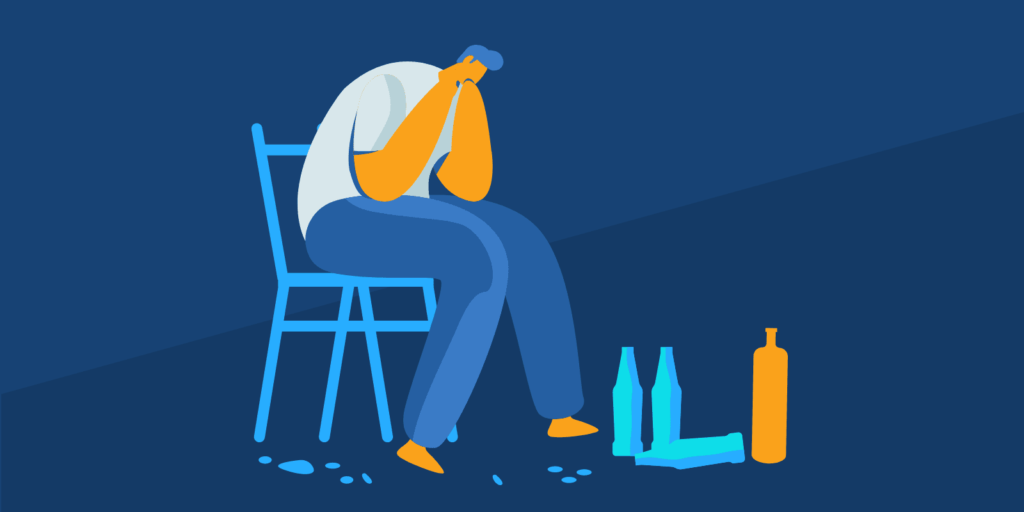
Table of Contents
Understanding What’s Happening
When you stop using 7OH, your body notices immediately. Your brain is used to it. Your nervous system is used to it. Suddenly it’s gone. That shock causes symptoms.
You might feel exhausted. Your stomach could be upset. Your mood swings a lot. Irritability pops up when you least expect it. And yeah, it can feel intense. But this is normal. Your body is just learning how to function without it.
Knowing this helps. It reminds you that what you feel isn’t permanent. It’s just your body adjusting. Things will get easier. Slowly, but they will.
Commence With Small Steps
One of the greatest difficulties associated with withdrawal can be managing all its symptoms at once, which may not always be easy to do.
Take things one step at a time without trying to “do everything at once”. Make time for just eating something small every now and then until everything becomes manageable. Drink water. Even tiny things help.
Create a routine. It doesn’t have to be strict. Just a few predictable habits—like getting up at a set time, having meals, and doing short walks—make a big difference. They give your body and mind some stability.
Even organizing your space helps. Remove things that trigger cravings and keep your environment calm.
Daily Habits That Actually Work
Hydration is huge. Water helps your body recover and keeps your energy steady.
Eat simple meals. Fruits, veggies, protein, grains. Don’t skip meals just because you don’t feel hungry. Even small portions matter.
Sleep is your friend. Your body heals while you rest. Try to go to bed at a reasonable hour. Dim lights. Avoid screens. Maybe do some light stretching or breathing exercises. Even short evening walks help your mind wind down.
Move during the day. Stretch. Walk. Gentle yoga. It eases tension and lifts your mood. Don’t overdo it though. Small, consistent movement works better than a single exhausting session.
Timing Makes a Difference
Understanding the typical course of 7OH withdrawals helps a lot. Symptoms aren’t always consistent. Some days are worse than others.
Plan your activities around this. Rest when things peak. Move when you feel slightly better. Don’t fight your body. Work with it. That simple change can reduce stress during this transition process.
Cravings may arise unexpectedly and be difficult to deal with at times; simply recognize them as temporary blips in your day and use distraction techniques such as walking or listening to music as temporary measures until the craving passes on its own. With time comes greater ease; take small steps forward at once!
Don’t Be Ashamed of Seeking Assistance
Withdrawal can be challenging, but that doesn’t mean it should be experienced alone.
If your symptoms become overwhelming–severe mood swings or discomfort–reach out for help by seeking professional assistance.
Getting help doesn’t indicate failure; seeking it merely signifies progress. It’s smart. Even a quick check-in with a doctor can make a huge difference.
Building Long-Term Habits
Withdrawal is just the start. What comes next matters.
Keep routines simple. Hydrate. Eat well. Sleep regularly. Move your body. Staying connected to supportive friends or family can be beneficial.
Mindfulness practices such as journaling, deep breathing or even short meditation sessions may help ease anxiety; eventually, these small habits create stability over time.
When celebrating little victories, do so with enthusiasm. One night of better sleep. One day with lower cravings. Every step counts. These tiny successes build momentum. Slowly, you feel stronger and more capable.
Conclusion
Rest when necessary. Eat, hydrate, and move gently as much as possible; reach out when support is needed; focus on what can be managed today, not tomorrow or next week-rather than expecting perfection from yourself and striving towards perfect habits in recovery; ultimately, you’ll emerge stronger for it all than before! Take things slowly but do be gentle with yourself time, you will achieve victory and see just how strong you really were all along!