Table of Contents
Understanding Ergonomics in the Warehouse Setting
Warehouses are high-energy, complex environments where employees manage tasks that involve constant physical effort, including lifting, moving, and sorting various goods. Without the right safety measures, these routine actions can quickly become sources of injury. Integrating ergonomic strategies into the warehouse begins with assessing workspaces and tools to match the physical needs of team members. Proper ergonomic interventions can lead to fewer injuries, lower absenteeism, and higher overall morale among staff.
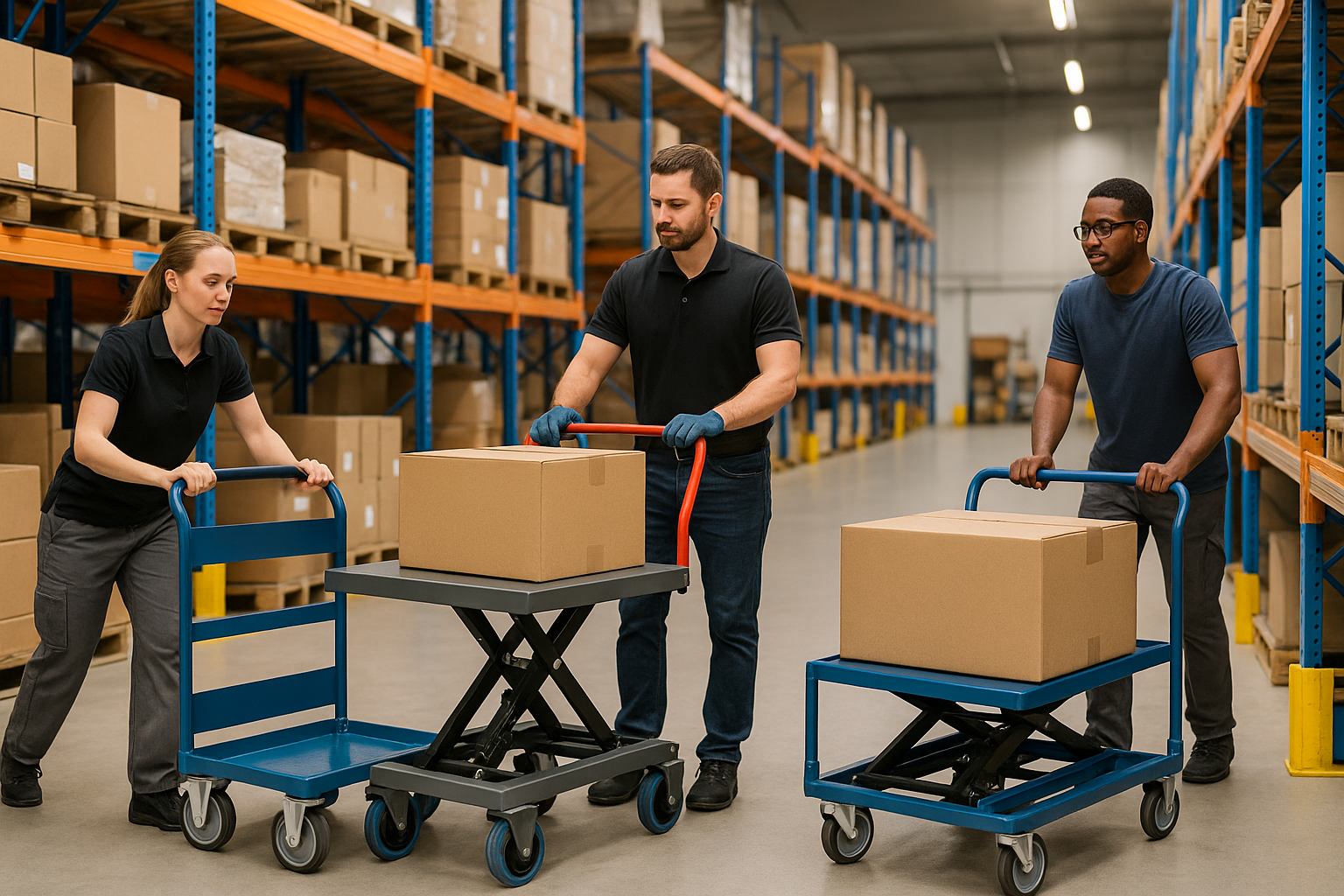
Choosing proper material handling equipment is essential in improving ergonomic safety. For instance, using heavy duty industrial carts enables workers to move large items with less physical strain, significantly reducing the risk of musculoskeletal injuries while enhancing the efficiency of goods movement. Incorporating adjustable workstations and anti-fatigue mats further supports employee comfort and productivity. Encouraging regular breaks and proper lifting techniques also helps maintain long-term health and performance in the warehouse.
Common Warehouse Injuries and Their Causes
Warehouse workers are at a high risk for a range of workplace injuries, primarily related to ergonomic issues. Slips, trips, and falls are often the result of cluttered walkways or unaddressed spills—both of which can be prevented by maintaining rigorous housekeeping standards. Overexertion injuries occur when employees lift or carry materials that exceed safe weight limits or use improper lifting techniques. These actions can lead to chronic musculoskeletal problems and sudden strains or sprains.
Repetitive strain injuries (RSIs) are another primary concern, typically affecting employees who perform the same motions for extended periods. For example, repetitive scanning or packaging can result in disorders like carpal tunnel syndrome, which directly impacts productivity and employee well-being. Addressing these common hazards with ergonomic improvements can reduce workplace injuries and help maintain a healthier workforce.
Implementing Ergonomic Solutions
Warehouses can significantly improve safety with a few targeted ergonomic interventions. Adjustable workstations accommodate workers of various heights, helping to maintain good posture. Mechanical aids, such as lift trucks and powered pallet jacks, significantly reduce the manual effort required for material handling, thereby protecting workers from preventable injuries. Additionally, rotating employees through different tasks reduces the risk of RSIs by preventing the overuse of specific muscle groups, helping to ensure that physical stressors are balanced across the team.
Promptly identifying potential danger points and adapting processes to address them is a proactive way to curb injury risk. Management should regularly observe, assess, and adjust workflows to ensure that safety standards are consistently upheld. Involving employees in these assessments often reveals practical insights, fostering an environment of mutual responsibility for safety.
Training and Education
Thorough and ongoing training is vital to any successful ergonomics program. Employees should be educated on the importance of proper body mechanics, such as lifting with the legs rather than the back, and be made aware of early signs of strain or discomfort so injuries can be prevented before they develop into significant issues. Training should also include proper use of ergonomic equipment and regular reminders of company safety protocols, ensuring that safe practices become routine habits. Regular refreshers, ideally incorporated into daily or weekly meetings, maintain awareness and build a lasting culture of safety.
Technological Advancements in Ergonomics
Innovations in technology are making warehouses safer and more efficient than ever before. Autonomous mobile robots (AMRs) now handle repetitive or heavy tasks that were historically significant sources of injury, dramatically reducing the load on human workers. Similarly, ergonomic automation systems streamline tasks such as sorting and packaging, slashing the risk of overexertion and repetitive motion injuries. Many companies are also exploring wearable devices that monitor posture and movement, providing real-time feedback to help employees adjust their techniques and minimize the risk of injury.
The integration of these advanced solutions not only protects workers but also boosts productivity, as fewer injuries mean reduced downtime and a more engaged workforce.
Building a Culture of Safety
Establishing a culture that values safety and ergonomics is key to long-term success. This begins with visible leadership commitment, consistent investment in ergonomic tools and equipment, and open communication channels that enable employees to report hazards or suggest improvements. Recognizing and rewarding safe behavior encourages employees to take responsibility for their well-being and the well-being of others. Regularly reviewing safety data and celebrating progress can further cement the importance of safety as part of the company identity.
Ultimately, making ergonomics a core component of business operations isn’t just advantageous for compliance; it invests in people, demonstrating that the organization is committed to supporting its workforce and striving for operational excellence.
Conclusion
Prioritizing ergonomic principles in warehouse environments leads to safer, healthier, and more productive teams. By understanding the causes of common injuries and addressing them through equipment upgrades, ongoing education, and the adoption of modern technology, companies can create workplaces where safety is second nature. A strong safety culture, supported by the right tools and training, not only prevents injuries but also boosts morale and operational efficiency—a win for both workers and businesses.