Creating a healthy and vibrant workplace culture begins with a deep commitment to cleanliness—a factor that’s often overlooked but critical for success. The physical workspace forms the foundation for organizational productivity, employee well-being, and even a company’s reputation within its industry. While many businesses attempt to manage cleanliness through in-house custodial staff or rotating cleaning duties among employees, these approaches often fall short of the standards needed for optimal health. Engaging specialized commercial cleaners in Washington, DC can dramatically elevate sanitation levels. These professionals bring advanced tools and years of expertise, and employ industry-standard protocols to meet and exceed regulatory requirements. Their efforts result in workspaces that aren’t just superficially clean, but sanitized to a degree that protects both staff and guests. As a result, companies that invest in professional cleaning routinely experience fewer workplace illnesses and a positive feedback loop of wellness and productivity.
Yet, the benefits of professional cleaning extend well beyond shiny floors and pristine surfaces. Modern cleaning services implement rigorous disinfection schedules, advanced air purification methods, and attention to visual presentation. These strategies help organizations reduce the frequency of sick days, foster a more energized and motivated workforce, and leave a lasting positive impression on clients and vendors. The investment in high-quality cleaning is strategic—it yields both immediate health gains and enduring business advantages. By paying closer attention to hygiene, companies position themselves as forward-thinking and employee-focused—key characteristics that drive business growth in competitive markets.
Table of Contents
Reducing the Spread of Illness
Workplaces serve as dynamic centers of human interaction, making them prime environments for the rapid transmission of germs and viruses. Everyday objects such as desks, doorknobs, elevator buttons, shared kitchen appliances, and conference room tables are constantly used by multiple people throughout the day. These high-touch surfaces can harbor bacteria, viruses, and other pathogens that survive for hours or even days without proper disinfection. Professional cleaning services recognize the importance of targeting these vulnerable areas, employing hospital-grade disinfectants, color-coded microfiber cloths to prevent cross-contamination, and state-of-the-art cleaning equipment that meets or exceeds public health standards.
Regular, thorough cleaning disrupts the pathogen lifecycle, breaking the chain of transmission that leads to office-wide illnesses. This is particularly important during cold and flu season or in the face of unexpected health threats, such as COVID-19. According to the Centers for Disease Control and Prevention (CDC), diligent surface disinfection is a first line of defense in minimizing the spread of infectious diseases. Many businesses that adopt professional cleaning protocols notice fewer sick leave requests, reduced absenteeism, and improved overall workforce health. Fewer illnesses not only prevent disruptions but also reduce associated costs and foster employees’ confidence in workplace safety.
Improving Indoor Air Quality
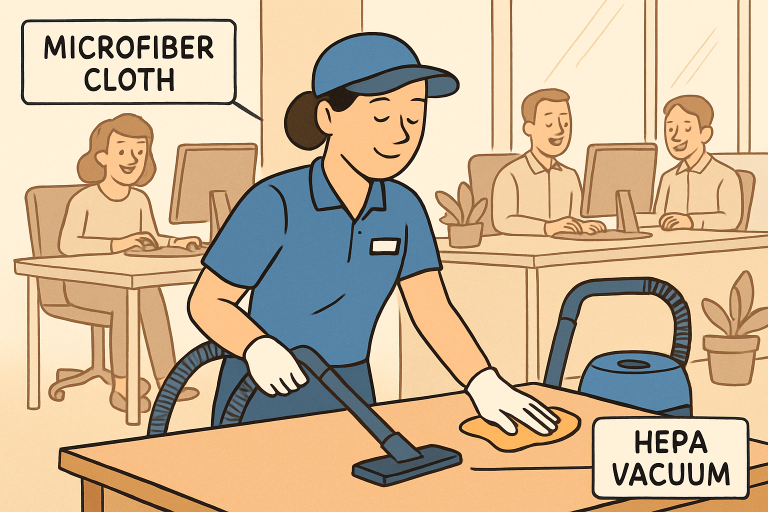
In addition to combating the spread of surface pathogens, a high-quality cleaning regimen tackles invisible but potentially harmful airborne pollutants, such as dust, pollen, mold spores, and volatile organic compounds (VOCs) from building materials and cleaning chemicals. When ignored, these contaminants can accumulate in ventilation systems and circulate throughout the building, triggering allergies and exacerbating respiratory conditions like asthma. Modern professional cleaners are equipped with advanced HEPA-filter vacuums, microfiber mops, and eco-friendly, low-emission cleaning products designed specifically to capture fine particulates and refresh stale offices.
Cleaner air means more than just comfort—it results in tangible health benefits for everyone in the workplace. Employees exposed to high levels of indoor air pollution are more likely to experience headaches, fatigue, chronic coughs, and other symptoms that impair their ability to concentrate. Improved air quality, on the other hand, creates a healthier work environment and signals a company’s true commitment to worker welfare. A growing body of research has shown that cleaner air can lead to improved concentration, fewer respiratory complaints, and a demonstrable increase in overall workplace satisfaction. This benefit extends beyond employees—visitors, clients, and potential hires also notice the difference, impacting business relationships and recruitment efforts.
Enhancing Employee Morale and Productivity
Workplace cleanliness plays a vital and sometimes underestimated role in shaping company culture. Employees who arrive each day to a neat, organized, and fresh-smelling workspace are more likely to feel appreciated and cared for by their employer. This sense of pride isn’t just emotional; it translates into tangible improvements in focus, creativity, and engagement with work goals. In contrast, environments plagued by mess, clutter, or persistent odors tend to foster stress and lower employee satisfaction.
Professional cleaning services enable maintaining spotless common areas, tidy restrooms, and immaculate individual workstations. By relieving employees of the distractions and discomforts associated with a dirty workspace, businesses empower their teams to concentrate on their core tasks, reduce procrastination, and even enhance interdepartmental collaboration. Regular cleaning also reduces hazards such as slips, trips, and falls, helping create a safer office for all. According to a Harvard Business Review study, employees in consistently clean environments report higher productivity, lower stress levels, and greater job satisfaction—a set of outcomes that contribute to staff retention and a more innovative, cohesive workplace overall.
Maintaining a Positive Company Image
Cleanliness is often the first metric by which a company is judged, especially by new clients, vendors, or job candidates. From polished floors and spotless windows to immaculately maintained restrooms and lobbies, every part of a work environment broadcasts messages about professionalism, reliability, and attention to detail. For prospective clients or partners, an immaculate office reflects a commitment to quality and attention to detail—traits desirable in any business relationship. Conversely, untidy or neglected facilities sow doubt about the company’s leadership and long-term viability.
By outsourcing janitorial tasks to reputable professionals, companies send a clear message of excellence and organizational discipline. This impression is particularly valuable in industries where trust and first impressions carry significant weight, including hospitality, healthcare, high-tech, and corporate environments. Additionally, maintaining cleanliness consistently helps avoid negative reviews, regulatory scrutiny, and even potential legal issues stemming from unsafe or unsanitary workplace conditions. Ultimately, the decision to invest in professional cleaning enhances brand reputation and gives businesses a competitive edge in retaining clients, attracting new partners, and recruiting top talent.
Conclusion
Professional cleaning services are indispensable for companies striving to build workplaces that are safe, healthy, and conducive to success. By systematically reducing the spread of germs, improving indoor air quality, bolstering employee morale, and reinforcing a stellar brand image, these services deliver value far beyond the cost of their contracts. Organizations dedicated to fostering healthy, motivated teams will find that proactive cleanliness pays dividends—reducing illness, elevating productivity, and enhancing everything from recruitment to client relations. In today’s competitive business world, the decision to partner with experienced cleaners isn’t just smart—it’s essential for sustainable growth and well-being.