Investing in a reliable batting cage is crucial for both player safety and the long-term viability of your practice facility. Whether for backyard training or a professional sports complex, a well-built cage supports consistent performance for athletes while reducing maintenance costs over time. Because the quality of the facility directly impacts skill development and safety, it’s crucial to build your batting cage with care from the ground up. For those looking to maximize value and performance, the right batting cage netting is a cornerstone for ensuring resilience and player security.
Building a durable cage means paying attention to every stage of construction: from site selection and drainage to sourcing weather-resistant materials. Durability is not only about structural integrity but also about maintaining a safe and effective environment for every training session.
In addition to batting cages, maintaining high-quality sports nets throughout your entire facility enhances both usability and safety for athletes. Choosing premium netting materials is not only crucial for baseball or softball, but also for any training area where impact protection and durability are essential.
Table of Contents
Site Selection and Preparation
Begin with a thorough evaluation of your site. The ideal location is level, free from obstructions, and offers natural or engineered drainage to channel water away from the batting cage structure. Standing water or sloped terrain can compromise the ground’s integrity, resulting in warped frames, shifting nets, and, ultimately, unsafe practice conditions. Before installing turf or flooring, consider laying landscape fabric and gravel to facilitate adequate drainage and prevent weed growth. These foundational steps reduce the risk of future repairs and protect your investment in the long run.
Choosing Quality Materials
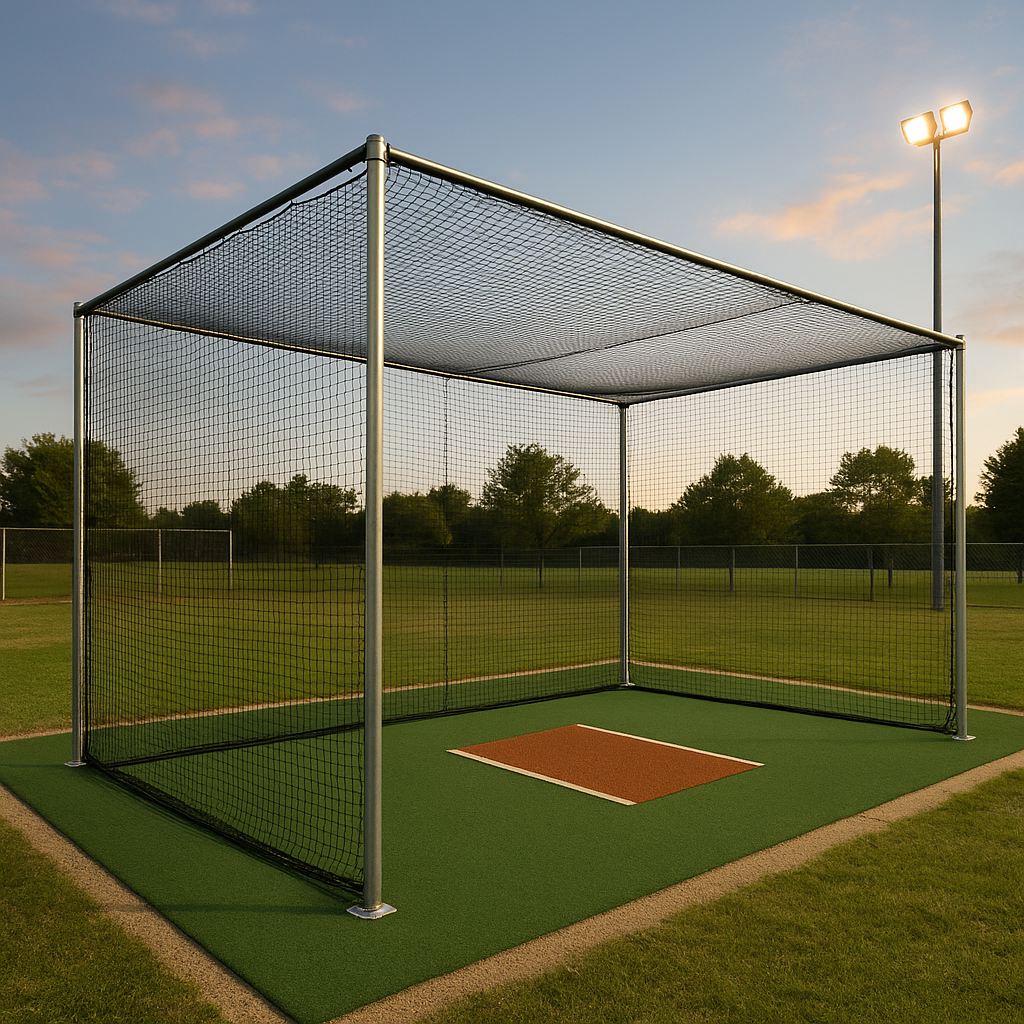
Opting for high-grade materials from the outset is the best strategy for a long-lasting batting cage. Look for netting with a twine thickness of #42 or heavier, as it withstands repeated impact and exposure well. UV-treated netting is particularly recommended for outdoor settings due to its ability to withstand sun, wind, and rain without rapid deterioration. When constructing the frame, galvanized or powder-coated steel is superior to standard aluminum or untreated metal rods due to its added strength and resistance to rust. These tougher construction materials reduce the likelihood of frame failure and the need for expensive repairs over time.
Designing for Safety and Functionality
Safety should drive every design choice. Hang the netting at least one foot away from any frame element to minimize ball rebound injuries and protect against premature wear where nets rub against steel. Use ample padding on support posts and any complex barriers—especially entrances and exits—so that accidental collisions do not result in harm. Always ensure there is adequate space within the cage for swinging, pitching, and movement to keep training sessions smooth and congestion-free. Good design not only reduces the risk of injury but also enhances the overall practice experience for all skill levels.
Regular Maintenance Practices
Routine care is vital to preserving your batting cage for years to come. Each week, inspect the hardware for looseness and the netting for sagging or tears. The standard net sag should be checked and maintained at a drop of 12-18 inches, ensuring both optimal energy absorption and safe practice. Monthly, clean down all exposed netting, poles, and flooring, and review joints and connections for any signs of fatigue or corrosion. Address worn or damaged parts promptly—proactive replacement of frayed nets or rusted connections costs less than major overhauls after a failure.
Weatherproofing Your Batting Cage
Outdoor batting cages are vulnerable to threats from the sun, rain, and snow. Rely on nets treated for UV resistance and set up automated or manual shading when possible. In climates with heavy winter precipitation, removing the netting during off-season months prevents irreversible stretching or tearing beneath snow loads. Constant water exposure can damage frames and ground surface, so confirm your drainage system works year-round to avoid standing water at the base of the structure.
Lighting and Visibility Considerations
Evening or indoor practice sessions require strategic lighting. High-mounted LED floodlights simulating daylight (with a color temperature of about 5000K) deliver excellent ball visibility and help players track movement reliably. For indoor facilities, evenly distributed LED panels or high-performance high-bay fixtures with a CRI rating of 80 or higher allow for uniform illumination and eliminate unwanted shadows, making every ball’s movement easy to track during drills.
Flooring Options for Batting Cages
A batting cage’s flooring is a key factor in player safety and maintenance requirements. Artificial turf placed over a base of compacted gravel and sand offers a stable footing, reduces ricochets, and withstands regular traffic without rapid wear. Perimeter nailer boards help keep the turf securely anchored, and extra reinforcement in high-traffic areas, such as near the pitching machine or batter’s box, prolongs surface life. Though initial costs for professional turf systems can be higher, they offer the best balance between performance, safety, and maintenance for both new installations and retrofits.
Conclusion
Durability and safety are the cornerstones of any great batting cage facility. By selecting optimal sites, investing in weatherproof, high-quality materials, and conducting regular inspections, you ensure that your batting cage will remain an asset for players now and for many seasons to come. Incorporating best practices in cage construction and maintenance is not just about prolonging equipment life—it’s about creating safer, more effective training environments where athletes can excel.