In today’s rapidly evolving security landscape, technology plays a central role in protecting homes and businesses. Modern alarm solutions go far beyond traditional sirens and sensors, incorporating advanced features such as remote monitoring, motion detection, and automated alerts. These systems enable real-time tracking of activity, providing users with greater awareness and control over their environments. With connectivity through smartphones and other devices, managing security has become more intuitive and responsive than ever before, allowing timely reactions to potential threats.
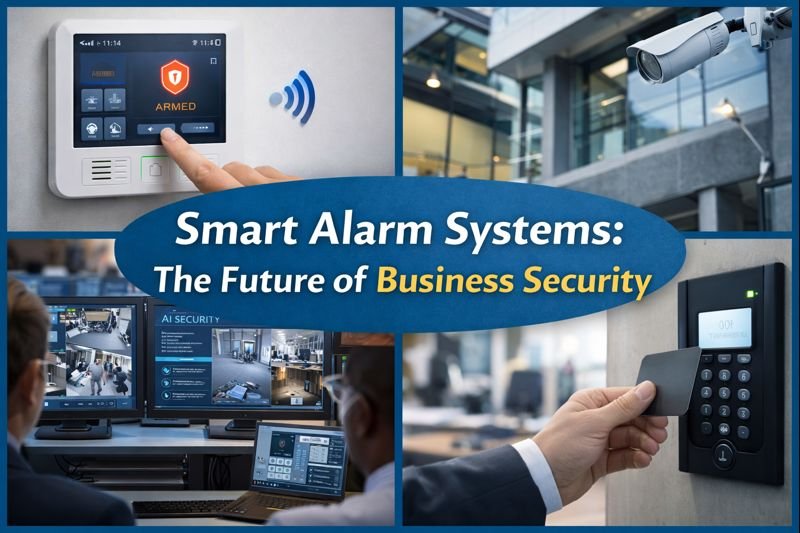
For businesses, the adoption of commercial security systems has become increasingly important. These setups combine surveillance cameras, access controls, and alarm notifications to safeguard assets and personnel. By integrating multiple layers of protection, organizations can reduce risk while streamlining incident response. Such systems not only enhance safety but also support operational efficiency, demonstrating how modern technology continues to transform the approach to security across various settings.
Table of Contents
Key Features of Smart Alarm Systems
Modern smart alarm systems are designed with a comprehensive feature set to cover the diverse security needs of contemporary businesses:
- Real-Time Monitoring: Provides constant oversight of your premises, flagging unusual activities instantly for rapid intervention.
- AI-Powered Threat Detection: Utilizes machine learning models to analyze audio, video, and sensor data for signs of suspicious activity or unauthorized access.
- Seamless IoT Integration: Smart alarms can be linked with lighting, locks, and HVAC systems for coordinated responses that can minimize threats or contain incidents.
- Remote Access: Security managers can review footage, adjust settings, and trigger alarms remotely through secure mobile or desktop platforms.
- Automated Alerts and Notifications: Delivers instant updates to authorized personnel via text, email, or push notification, enabling swift decision-making and action.
Benefits of Implementing Smart Alarm Systems
The adoption of smart alarm systems yields both immediate and long-term value:
- Enhanced Security: Deterrence and rapid response features make it harder for intruders to access assets, while also protecting staff and visitors.
- Reduced False Alarms: Advanced analytics distinguish between genuine threats and benign triggers (like animals or weather), minimizing unnecessary disruptions and associated costs.
- Operational Efficiency: Automating threat detection and incident reporting frees up employees to focus on primary business responsibilities.
- Cost Savings: Improved accuracy, compliance, and security often result in lower insurance premiums and reduced expenditure on loss recovery.
Integration with Existing Security Infrastructure
A primary advantage of smart alarm systems is seamless integration with legacy and emerging security solutions. Connecting smart alarms to CCTV cameras and access control panels, for example, unifies security data and facilitates coordinated responses—such as locking down specific areas when an incident is detected. This layered approach ensures gaps are minimized, and the entire facility benefits from a cohesive security strategy.
Integration isn’t limited to physical security; many systems now sync with cybersecurity protocols to alert IT departments when unauthorized access is detected on networks, becoming a cornerstone of holistic risk management.
Considerations for Choosing the Right System
When selecting the right system, several key factors should guide your decision. Scalability is crucial—choose a platform that can grow and adapt as your security needs evolve. Equally important is compatibility; the system should integrate seamlessly with existing cameras, access controls, and other security infrastructure. Consider the user experience by assessing the dashboard’s intuitiveness, ease of use, and the learning curve for staff. Reliability is also essential; investigate the reputations of vendors, check system uptime, and confirm that strong backup and recovery procedures are established. Additionally, ongoing support and maintenance are crucial; review vendor support services, software update policies, and the response times for critical issues to ensure the system stays effective and secure over time.
Future Trends in Smart Alarm Technology
Looking ahead, smart alarm technology is poised to undergo significant advancements. Biometric authentication, including facial recognition, retina scanning, and fingerprint verification, is already transforming secure access points and may become standard practice in the near future. At the same time, advanced AI and predictive analytics are expected to play a larger role, using neural networks and sophisticated algorithms to anticipate potential threats and enable automated decision-making.
The expansion of IoT integration will further enhance these systems, connecting smart alarms to all aspects of building management for more unified and efficient control. Alongside these technological improvements, there will be an increased emphasis on data privacy. As systems collect more sensitive information, businesses will need to adhere to strict regulatory and ethical standards, safeguarding data to maintain compliance and build trust with users.
Conclusion
The shift toward smart alarm systems is quickly becoming an industry imperative for businesses seeking robust, scalable, and future-proof security solutions. With the integration of cutting-edge technologies and the ability to adapt to new threats, these systems are transforming the way organizations approach risk management—prioritizing safety, efficiency, and peace of mind. Staying informed and embracing innovations in smart security is essential for any business committed to long-term resilience and operational continuity.