Healthcare analytics is driving a fundamental shift across the medical landscape by equipping providers with valuable insights, ultimately leading to improved care and healthier populations. As data-driven solutions gain momentum, hospitals and clinics leverage analytics to deliver optimized treatments, anticipate patient needs, and streamline day-to-day operations. New technologies, such as AI agents in healthcare, are also empowering practitioners to make swift, evidence-based decisions and improve patient outcomes.
Healthcare analytics enables healthcare professionals to detect risks and intervene earlier, enhancing patient safety and satisfaction. It marks a shift toward evidence-based and personalized care, leveraging vast amounts of data from health records, imaging, and genetics. This approach facilitates the rapid identification of health trends and effective interventions, resulting in improved individual care and healthier communities overall.
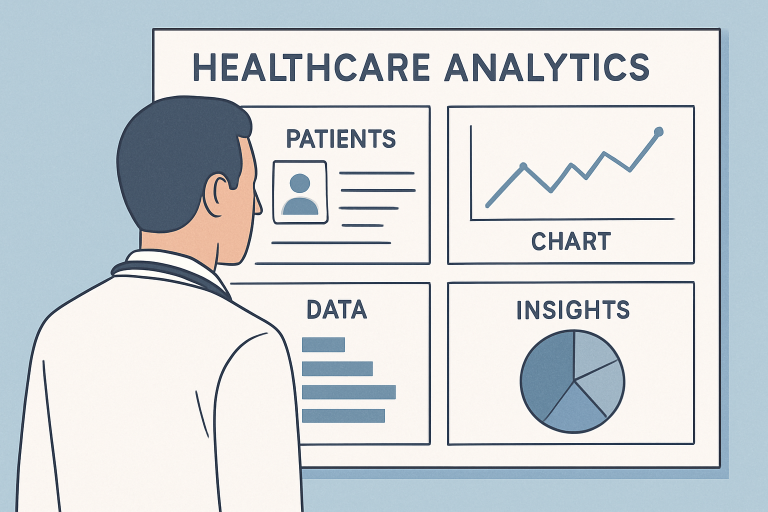
Table of Contents
Predictive Analytics in Disease Prevention
One of the most groundbreaking applications of healthcare analytics is in predicting and preventing disease. Predictive models utilize a patient’s medical history, genetic markers, social determinants, and real-time health data to forecast the likelihood of developing certain illnesses. Hospitals deploying these models have seen a reduction of up to 20% in readmissions, which translates to not only cost savings but also improved and even saved lives. Early interventions guided by predictive analytics have fundamentally decreased acute care episodes for vulnerable populations.
Personalized Treatment Plans
Every patient’s health status, response to treatment, and genetic makeup is unique. Analytics enables providers to design care plans tailored to each individual by sifting through vast datasets containing demographics, past medical procedures, and molecular profiles. With data integration from various sources, the optimal medications or therapies can be chosen, maximizing efficacy and minimizing adverse events. This advance elevates the standard of care, supporting the promise of precision medicine and enhancing patient engagement throughout the recovery process.
Reducing Hospital Readmissions
Hospital readmissions drive up healthcare costs and frequently indicate gaps in post-discharge care. Through continuous data monitoring and risk stratification, healthcare analytics can flag patients most likely to be readmitted and enable targeted, timely interventions. For instance, organizations utilizing post-acute analytics tools have achieved dramatic reductions in their readmission rates and saved millions of dollars as a result. BusinessWire reports that institutions using advanced analytics have realized a 43% decrease in readmissions, underscoring the high impact of strategic, data-informed follow-up care.
Operational Efficiency in Healthcare
Beyond improving patient outcomes, analytics addresses persistent challenges in hospital administration. By examining trends in staffing, resource utilization, and patient flow, hospitals can streamline operations, reduce overhead, and limit unnecessary delays. Initiatives guided by robust analytics have reduced wait times and improved patient satisfaction scores, allowing providers to focus resources where they are needed most. These advancements are particularly valuable given ongoing workforce shortages and rising demand.
Challenges and Considerations
The healthcare analytics revolution comes with several challenges that must be addressed carefully. Data privacy and security are significant concerns, especially as sensitive medical information is consolidated and analyzed. Moreover, interpreting complex data models requires trained personnel, which can strain limited technical resources for many institutions. The integration of analytics into existing healthcare IT systems also presents logistical challenges. A collaborative effort among policymakers, technology providers, and healthcare workers is crucial to overcoming these issues, protecting patient trust, and ensuring the responsible use of analytics.
Conclusion
Healthcare analytics is redefining patient outcomes and expanding the possibilities in medical care. From predicting illness and customizing therapies to preventing readmissions and optimizing operations, these tools deliver substantial advantages across the board. With ongoing advancements in machine learning and artificial intelligence, the transformative potential of analytics is poised to further revolutionize patient care in the years ahead. Prioritizing safe, skilled, and ethical implementation will be essential as healthcare analytics continues to evolve.