Legal icons representing justice are instantly recognizable in our society, but their ancient origins and deeper meanings remain a mystery to many. The portrayal of justice as a female figure traces back to ancient Greek and Roman mythology, where goddesses like Themis, Dike, and Justitia embodied these ideals. The symbols of justice and law have developed through time to include distinct features that still strike a chord with people today.
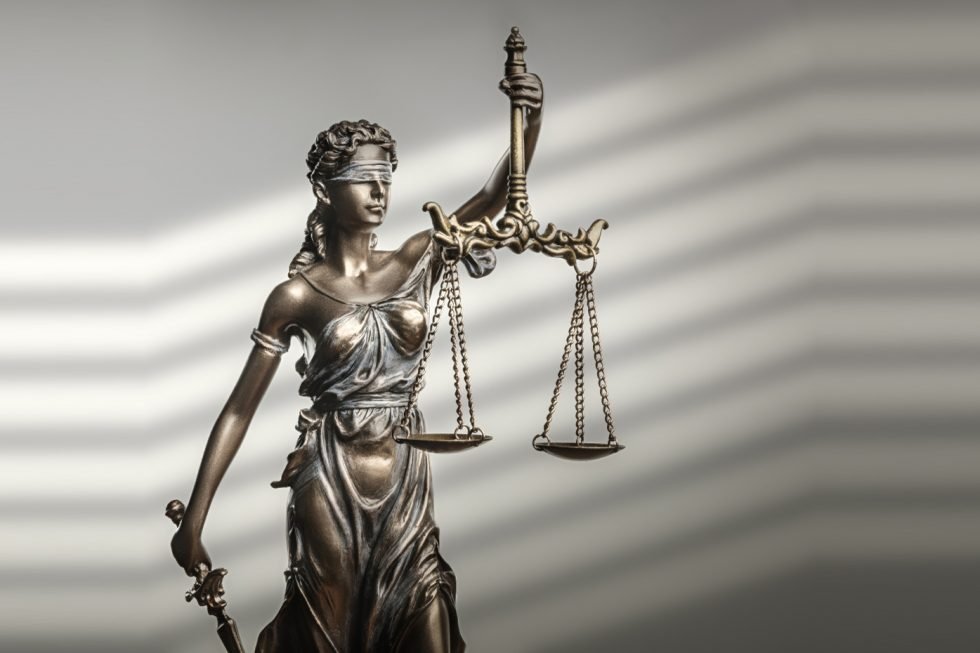
Lady Justice’s statue stands tall on courthouses worldwide, and each element she carries holds deep meaning. Her scales show how evidence and facts are weighed to reach a verdict, and her sword represents the power to enforce judgments. Many people think Lady Justice has always worn a blindfold, but this feature appeared only around the 1500s. Today, it stands as a symbol of fairness and impartiality. The Supreme Court Building’s architecture highlights justice as one of its most distinctive symbols, which shows its central role in legal systems.
This look into justice’s ancient symbols reveals their mythological beginnings and tracks their development across cultures and time periods. These symbols continue to influence how we understand law today. Lady Justice’s presence at the Supreme Court and the various interpretations of the scales of justice in different societies demonstrate our ongoing commitment to fairness and equality under law.
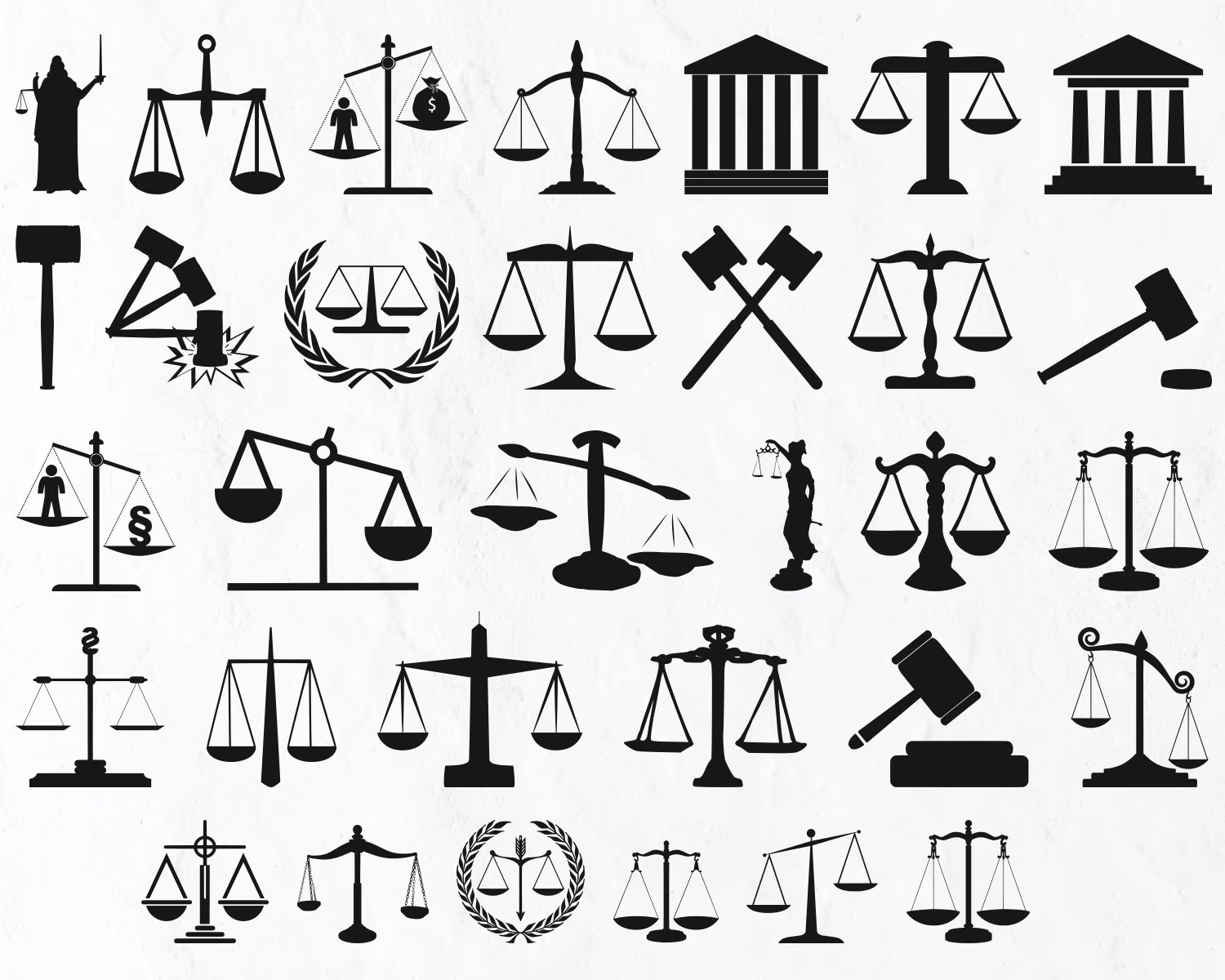
Table of Contents
- 1 The Mythological Roots of Justice Symbols
- 2 The Core Symbols of Justice and Their Meanings
- 3 Lady Justice Through the Ages
- 4 Justice Symbols in Architecture and Art
- 5 Modern Interpretations and Cultural Variations
- 6 Here are some FAQs about the symbols of justice:
- 6.1 What symbol represents justice?
- 6.2 What is the Greek symbol for justice?
- 6.3 Why is the symbol of justice a blindfolded woman?
- 6.4 What tattoo symbolizes justice?
- 6.5 What is the image that represents justice?
- 6.6 Which element represents justice?
- 6.7 What deity is associated with justice?
- 6.8 What are the symbols for truth and justice?
- 6.9 Who is the goddess of justice?
The Mythological Roots of Justice Symbols
The symbols of justice trace their roots back thousands of years. Ancient civilizations had divine figures that represented fairness and order. These original representations are the foundations of iconic imagery we see in courthouses and legal institutions today.
Greek goddesses Themis and Dike
Two prominent goddesses in the ancient Greek pantheon embodied different aspects of justice. Themis, one of the twelve Titans, stood for divine law, natural order, and custom. Her original image showed her with scales that symbolized balance and a cornucopia representing abundance. She served as Zeus’s advisor and wielded substantial influence as one of the oldest divinities in Greek mythology.
Dike, Themis’s daughter, represented human justice and moral order. Hesiod tells us that Dike was one of the Horai (Hours or Seasons) with her sisters Eunomia (Good Order) and Eirene (Peace). She would go to Zeus’s throne to report whenever judges violated justice. Classical art showed her holding balance scales but without a blindfold or sword. This difference matters because early Greek justice imagery emphasized divine insight rather than blind impartiality.
Roman Justitia and her transformation
Justitia (or Iustitia), the Roman counterpart, looks most like our modern Lady Justice. Emperor Augustus brought Justitia into the Roman pantheon, which made her relatively new to their religious system. Emperor Tiberius later built a temple for her in Rome.
Justitia’s image changed substantially over time. Coins from 22-23 A.D. showed her as a regal woman wearing a diadem. She later acquired her familiar attributes: scales to show impartial weighing of evidence, a sword that symbolized enforcement authority, and most notably, a blindfold. Justitia differed from her Greek predecessors because artists often showed her blindfolded to emphasize unbiased justice.
Justice as a divine and civil concept
The change from Greek to Roman justice symbols shows how societies viewed justice differently. Themis represented justice as a divine principle—an abstract, celestial concept that surpassed human limitations. She needed no blindfold because of her divine insight.
Justitia, however, represented a more civic view of justice that focused on human legal systems and governance. Though she had her own temple in Rome, historical evidence suggests she worked more as a symbolic figure than a religious deity. This marked a significant change from purely divine justice to justice as civil duty.
The Renaissance period in Europe brought more changes to justice symbolism. Justitia became a powerful symbol of civil justice in new republics. Monarchies used the myth of Astraea’s return (often mixed with Dike) to support their divine right to rule. Ancient justice symbols adapted to support different political systems as time passed.
The Core Symbols of Justice and Their Meanings
Lady Justice statues stand in courthouses worldwide with three iconic elements that have lasted for centuries. These symbols of justice carry deep meanings that exceed time. They are the foundations of fair legal systems.
Scales of justice meaning: balance and fairness
The scales Lady Justice holds are likely the most recognized symbol of legal fairness in history. These balanced scales show how evidence and arguments from both sides get weighed in legal disputes. They also represent justice’s key role in bringing balance back to society after wrongdoing.
Ancient Greece’s goddess Dike often appeared with scales to show fair judgment. This symbol grew to emphasize how justice must weigh all facts before making decisions.
Lady Justice’s scales hang freely, which means evidence must stand on its own without guessing. The scales also show how justice should balance what individuals need against society’s needs. Modern legal systems still use this balance. Courts must weigh personal rights against what’s good for everyone.
These scales tip in a special way—as evidence comes in, they slowly lean toward the stronger argument. The party that “tips the scale” wins, which shows that justice depends on facts rather than status.
Lady Justice’s sword represents authority and power to enforce judgments. This power symbol has ancient roots in both Greek and Roman justice deities.
The sword means several things in justice symbols. It shows legal systems can enforce their decisions. It also represents knowing how to “cut through” barriers to find truth. The sword stays lower than the scales, suggesting that punishment comes only after careful review of evidence.
Many statues show a double-edged sword, suggesting justice can work for or against each party based on merit. This two-sided nature reminds us that legal decisions can go either way depending on facts and circumstances.
Blindfold: impartiality and objectivity
The blindfold on Lady Justice’s eyes has become a lasting symbol of judicial fairness, though not all statues have it. This element joined justice imagery later, becoming common only after the 16th century.
The blindfold started as satire, hinting that justice couldn’t see injustice. But its meaning changed over time to show positive traits:
- Fair treatment regardless of wealth, power, gender or race
- Decisions based on facts, not appearances
- Careful judgment—like someone who takes careful steps while blindfolded
Not every Lady Justice wears a blindfold. Early versions, including the first Roman coins with Justitia, showed her eyes uncovered. Some modern justice statues skip the blindfold but still emphasize fairness. To cite an instance, a female Justice figure without a blindfold appears in one of four carved frieze panels inside the Supreme Court Courtroom.
These three powerful symbols of law and justice—scales, sword, and blindfold—show the core ideas that make judicial systems fair across cultures and time.
Lady Justice Through the Ages
The visual representation of Lady Justice has changed remarkably over time. Her appearance and attributes mirror society’s changing values and legal philosophies. Each era and continent added its own touch to this iconic figure.
Lady Justice in Renaissance Europe
The justice symbolism took an interesting turn during the Renaissance. Justitia appeared on early Roman coins with her eyes uncovered. Artists made a dramatic change in the mid-1500s by adding a blindfold to Lady Justice. The blindfold started as satire to show that justice couldn’t see wrongdoing right in front of her.
The blindfolded Justice carried negative meanings in the 15th century. People linked it to other dark symbols like Death, Anger, and Cupid. This view changed radically over time. The mid-16th century saw the blindfold become a celebrated symbol of fairness and objectivity.
Hans Gieng created a groundbreaking statue in 1543. His Fountain of Justice in Bern, Switzerland stands as the oldest surviving statue that shows Justice wearing a blindfold as something positive. This statue marked the moment blindfolded Justice became a symbol of fairness rather than ignorance.
Justice lady in American state seals
Symbols of justice became central to civic imagery after the American Revolution. The New York State arms, adopted on March 16, 1778, showed Liberty and Justice supporting the state seal. Justice wore a gold dress with a blue belt trimmed in red. Her hair flowed freely with pearl decorations and a thin blindfold covered her eyes. She balanced scales in her left hand while holding a gold-handled sword in her right.
Political symbolism and myth-making went hand in hand during this time. Justitia became a powerful symbol of civil justice in America’s new republics. Courthouses across New York and other states displayed Lady Justice. These images reminded everyone of George Washington’s belief that “the due administration of justice is the firmest pillar of good Government”.
Lady justice statue in modern courts
The statue of justice appears in courthouses worldwide today. Each culture adds its own unique touch while honoring history. Ancient Roman goddess statues stand proudly in Italian cities next to modern versions. Similar iconic statues grace Dublin’s castle and American courthouses.
Modern lady justice statues keep the main symbols but add local flavor. The Supreme Court of India made news in October 2024 with their Nyay Devi template. They removed the blindfold and replaced the sword with a constitutional book. This change reflects their belief that “the law is not blind, it sees everyone equally”.
American representations show variety too. The Supreme Court Building features a Justice without a blindfold in one of its sculpted frieze panels. These different versions show how justice symbols keep changing. Yet they still serve their main purpose – to show everyone the principles of fairness, impartiality, and authority that form the foundation of legal systems worldwide.
Justice Symbols in Architecture and Art
Architectural designs of justice symbols turn abstract legal principles into tangible art that adorns courthouses worldwide. These visual elements tell visitors a story about fairness and impartiality that our judicial systems stand for.
Statue of Justice at the Supreme Court
The Supreme Court Building showcases Justice as one of its most iconic symbols through three distinct sculptural groups. The female figure of Justice breaks from tradition at the Supreme Court. She appears without a blindfold in some depictions, especially in one of the Courtroom friezes. This artistic decision shows that Justice should see with clarity rather than act blind to circumstances. The building’s various Lady Justice representations include both blindfolded and clear-sighted versions that express different judicial philosophies.
West Wall Frieze and the battle of good vs evil
The Supreme Court Courtroom’s West Wall Frieze shows an allegory of good battling evil. Divine Inspiration stands at the center holding justice’s scales, with Justice by her side. Justice rests on a sheathed sword while she faces down evil’s forces on the frieze’s right side. Her stance suggests readiness to draw her sword in good’s defense. Wisdom stands nearby with an owl perched on his shoulder, while Truth holds a mirror and rose.
Contemplation of Justice statue
James Earle Fraser created the famous “Contemplation of Justice” statue that graces the Supreme Court Building’s main steps’ left side. Fraser’s words describe this female figure as “a realistic conception of what I consider a heroic type of person with a head and body expressive of the beauty and intelligence of justice”. The statue, completed in 1933 and placed in 1935, depicts a seated woman. She holds a law book in her left arm and a small figure of blindfolded Justice with scales in her right hand. This representation encourages viewers to reflect on justice’s thoughtful nature.
Symbols of justice around the world
Symbols of justice around the world take many artistic forms beyond the United States. Artist Alyson Shotz created a stunning mosaic dome ceiling in Nashville’s courthouse. It shows Justitia’s flowing robes. Millions of glass pieces make up this installation that surrounds visitors as they enter. It reinforces the courthouse’s pledge to “Administer Equal Justice to the Poor and to the Rich”. The Peace Palace in The Hague features Albert Besnard’s large painting “La Paix et la Justice.” The artwork shows Justice dressed in red as she listens to lawyers present their arguments.
Modern Interpretations and Cultural Variations
Justice iconography shows remarkable differences in cultures worldwide. Each culture reflects its unique approach to fairness and accountability. The lady of justice continues to adapt to modern legal systems while keeping its ancient symbolic roots.
Why some statues lack the blindfold
Many prominent justice symbols around the world leave out the blindfold by choice. Lady Justice at London’s Old Bailey stands with uncovered eyes. The courthouse literature explains that her “maidenly form” naturally ensures impartiality. Hans Gieng created the first positive portrayal of blindfolded justice in 1543 in Bern, Switzerland. However, many artists chose not to include this feature. India’s Supreme Court showed its new “Nyay Devi” in 2024. This version replaces the traditional sword with a book that represents the constitution and removes the blindfold. The court declared that “the law is not blind, it sees everyone equally”.
Justice symbolism in Canada and Europe
European cultures interpret symbols of justice in substantially different ways. The Gerechtigkeitsbrunnen (Fountain of Justice) in Frankfurt, Germany features a figure without a blindfold, suggesting justice must stay alert. Solothurn, Switzerland also displays Justice with clear eyes, emphasizing that good judgment needs complete awareness of circumstances. Canadian legal symbolism faces unique challenges as it tries to reflect legal traditions from many cultures in a “dynamic, democratic and pluralistic society”.
Justice symbols in educational materials
Educational materials often simplify scales of justice meaning to make complex symbols more accessible. Modern teaching resources present justice symbols with explanations of their historical progress. These materials show how interpretations changed from religious concepts to civic principles.
Symbols of justice have stood the test of time. They began as ancient deities and now grace our courthouses while keeping their powerful meaning intact. The shift from Greek goddesses Themis and Dike to Roman Justitia shows how these symbols adapted to society’s changing values. The core elements—scales, sword, and blindfold—became lasting symbols of balance, authority, and impartiality.
The blindfold has an interesting story. People first added it as satire to mock justice’s blindness to corruption. It later became a celebrated symbol of fairness. Many important statues worldwide still show Lady Justice without this blindfold. The Supreme Court Building features both versions – with and without the blindfold. This reflects two different views: justice should stay impartial or see all facts before making decisions.
Different cultures emphasize justice’s aspects in their own ways through architecture. German and Swiss fountains show alert, unblindfolded figures. American tradition accepts both interpretations. India’s recent “Nyay Devi” design brings the biggest modern change. It replaces the sword with a constitution book and removes the blindfold completely.
These cultural differences show how societies view fairness and accountability differently. Justice symbols adapt to local customs yet keep their ancient meanings. Their power comes from their ability to change with our understanding of justice.
Lady Justice is more than just courthouse decoration. She represents humanity’s age-old search for fairness, impartiality, and good governance. Her looks may change across countries and time, but her message stays clear. Justice needs careful thought, enforcement power, and freedom from bias. These ideas started with myths and still guide legal systems worldwide today.
Here are some FAQs about the symbols of justice:
What symbol represents justice?
The most common symbol representing justice is the figure of Lady Justice, a blindfolded woman holding a sword and scales. These scales and sword are ancient symbols of justice, signifying the careful weighing of evidence and the power of reason and law. This image is one of the most recognized symbols of law and justice worldwide.
What is the Greek symbol for justice?
In ancient Greece, the primary symbol for justice was the goddess Themis, who is often depicted holding a set of scales. Her daughter Dike, the goddess of fair judgment, is also a key figure and carries a sword. These figures and their attributes are foundational ancient symbols of justice in Western tradition.
Why is the symbol of justice a blindfolded woman?
The blindfold on Lady Justice symbolizes impartiality and the ideal that justice should be meted out objectively, without fear or favor. It represents the principle that the law should be applied equally, regardless of a person’s wealth, power, or identity. This makes her one of the most powerful symbols of justice and law.
What tattoo symbolizes justice?
A tattoo that symbolizes justice often features the scales of justice, a blindfold, a sword, or a combination of these elements. Some people choose a depiction of Lady Justice herself or other symbols of justice around the world, like the *Dharmachakra* (Wheel of Law) in Buddhism. These designs represent a personal commitment to fairness, truth, and moral law.
What is the image that represents justice?
The definitive image representing justice is the allegorical figure of Lady Justice (Justitia) with her scales, sword, and blindfold. This composite image is a universal symbol within the legal profession and government buildings. It effectively combines several core symbols of justice into one powerful icon.
Which element represents justice?
In various symbolic systems, the element of Air is often associated with justice, as it relates to the intellect, reason, and clear-minded judgment required for fairness. The scales themselves, a primary tool among symbols of law and justice, are also symbolically connected to the element of Air due to their need for balance and objectivity.
What deity is associated with justice?
Many deities are associated with justice across different cultures, including Themis and Dike in Greek mythology and Justitia in Roman tradition. The Egyptian goddess Ma’at, who represented truth, balance, and cosmic order, is also a profound ancient symbol of justice. These figures are central to understanding symbols of justice around the world.
What are the symbols for truth and justice?
Common symbols for truth and justice include the scales, the sword, the blindfold, and the book of law. Other symbols for truth include a single candle, a shining sun, or a mirror. Together, these icons form a collection of powerful symbols of justice and law that communicate the intertwined ideals of fairness and honesty.
Who is the goddess of justice?
The goddess of justice is most famously known as Justitia in Roman mythology, from which the modern Lady Justice is derived. Her Greek counterpart is Themis, the personification of divine law and order, and her daughter Dike, the goddess of mortal justice. These goddesses are the source for the most enduring symbols of justice in Western culture.