Siding does not fail catastrophically. Instead, siding failures happen over time with little quirks that most homeowners either don’t notice or dismiss as cosmetic concerns. Unfortunately, when siding failure is notable enough to catch a homeowner’s attention, they are usually facing much more costly repairs to the home’s systems than if they had recognized signs of failure much sooner.
Knowing what to look for and when it is too late can save a homeowner thousands of dollars in preventable damage. The key is understanding that siding is not just for looks – it’s the main barrier between the home’s systems and moisture, temperature extremes and damage.
Cracking in Siding
Small cracks in siding may not seem like a big deal – especially when they’re as small as hairline fractures – but they provide an easy avenue for moisture to infiltrate even the smallest of openings into the rest of the wall cavity. Hairline cracks in vinyl often signal plastic degradation due to age and sun exposure. When temperatures change, these cracks will expand and contract; worse, they’ll grow larger enough to permit water behind the siding.
Wood cracks present even larger issues. Cracking or splitting boards will have a direct path for water to enter the house structure, which might not be seen until the interior sheathing or framing begins to rot. Even split paint will expose the raw wood underneath for moisture absorption.
Fiber cement siding cracks are highly problematic because this material can absorb significant quantities of water once the paint or surface is gone. Cracks often start small but become far worse in freeze-thaw conditions as they elongate and increase in volume.
Unfortunately, most homeowners wait until cracks become major splits before taking action. Usually, by this time, moisture has been allowed in for months or even years causing destruction that requires more than just siding replacement.
Warping or Buckling
Siding starting to move away from its secure position indicates moisture intrusion, misplaced installation efforts or thermal malfunctions of the material itself. Vinyl siding buckling away from the house indicates either poor fastening or expansion due to heat; neither situation gets better over time.
Wood siding buckling or curling typically means moisture is getting behind the boards and causing uneven expansion; this condition allows gaps to form where even more moisture can get inside and cause further breakdown. Wood boards that have started to drastically warp hardly ever change back to their original flat state even when the source of moisture is eliminated.
Homeowners often start researching residential siding replacement options when they learn that such structural problems are beyond repair. Only a professional can assess whether this is a localized issue or one that is systematic failure.
Metal siding that’s denting or buckling isn’t always cosmetic; these formations create little spots where water can collect and rust can wear through.
Water Damage
Water stains on interior walls are common places where siding failure is from the outside looking in – even if it doesn’t look like anything from the outside. Usually, homeowners with discolorations notice them on heavily overcast days or when rain is so heavy that water is blown horizontally. This means that water has infiltrated the system and gotten past framing and insulation, making it highly likely that siding has failed on that side.
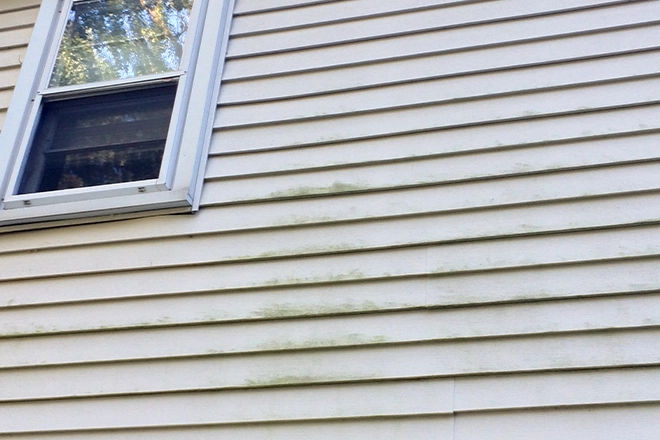
Mold growing around windows and doors or at the base of walls implies that moisture isn’t getting out. Mold created under such circumstances indicates failing siding is creating a problem for the home occupants.
Peeling paint on wood usually means failure, too. Painting over previously wet boards will result in paint loss – not paint chalking as it weathers out like it is supposed to.
Efflorescence – the white stuff that appears on masonry/concrete walls – shows that water is finding its way through the material and transporting other things, like salts, with them. This isn’t automatically damning, but it’s certainly not right.
Rising Energy Costs
Rising heating and cooling bills usually align with obsolete siding that’s no longer stopping air infiltration. Gaps open up as materials reach their length of use or begin to separate due to thermal changes, allowing once conditioned air to escape along with unconditioned air to enter making HVAC systems work harder.
Rooms that are difficult to heat or cool relative to the rest of the house may present problems on those exterior walls. Rooms that frequently touch outside walls are at risk for losing crucial energy to aged siding failures.
Drafts around windows and doors can indicate problems even if those openings are otherwise in good shape; failed siding can create gaps so large it seems like a wall problem rather than a window/door problem.
When To Repair vs Replace
Localized damage that affects under 30 percent of siding surface area makes replacement cost-effective, especially if it’s minor repair work. But areas larger than 30 percent typically mean replacement is more affordable than extensive repairs.
Age matters, too; once a siding system meets or exceeds its lifespan (15 years for vinyl, 20 years for wood, 30+ years for fiber cement) it’s time for replacement – instead of continual repair.
The Cost of Waiting Too Long
When long-term siding concerns manifest themselves, they almost never cost less down the line. What was once a simple siding replacement project becomes a part of a complete renovation endeavor if applied from the inside out through the framing/insulation.
Mold remediation and wood rotting replacement repairs only drive up the cost of siding projects exponentially – insurance companies are also less likely to cover water damage claims if exterior maintenance repairs were passed up along the way.
Homeowners who fail to recognize multiple signs combined over years only compound their damage – and what could have easily been preventable siding replacement becomes a much broader concern integrated into multiple systems building-wide.
Understanding the warning signs of failure ensures that no matter what happens with siding, either the integrity of the home systems remain intact or the homeowner does not pay millions out of pocket in mistakes made along the way. The reality is that once moisture intrusion begins operating combined with other issues, things rarely get better.