Pest problems are often seen as a nuisance, something that can be handled over time with patience and routine maintenance. However, there are situations when pests pose an immediate threat to your health, property, or peace of mind, and waiting is simply not an option. In these instances, emergency pest control becomes essential. Understanding when and why to act quickly can save homeowners, business owners, and property managers from serious consequences. When a sudden pest invasion threatens your home or business, contacting an experienced exterminator Sterling VA is crucial because in emergencies, waiting is not an option.
Table of Contents
Recognizing a True Pest Emergency
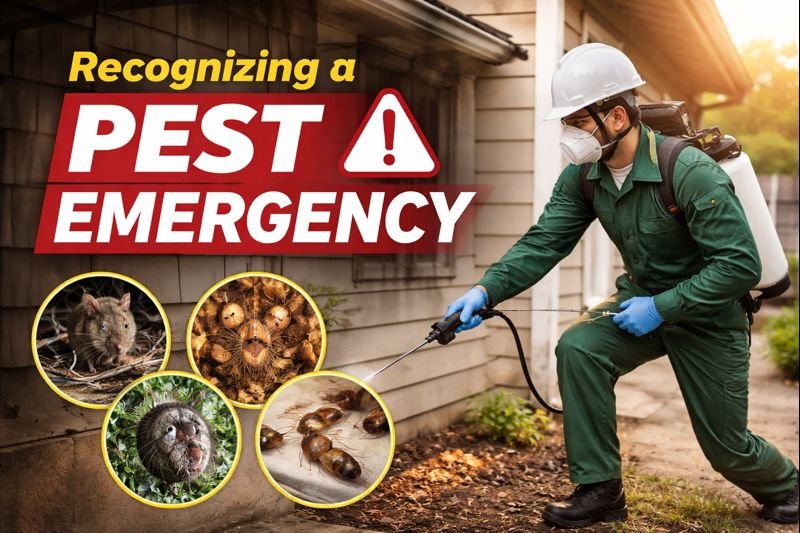
Not all pest sightings require a rush to call a professional. A single ant trail or the occasional fly in your kitchen, while annoying, doesn’t necessarily constitute an emergency. True emergencies involve situations where pests are reproducing rapidly, causing damage, or threatening safety. Common examples include:
- Rodent Infestations – Rats and mice can chew through wiring, insulation, and structural parts of a home, creating fire hazards and compromising property integrity. Their droppings and urine can also transmit dangerous diseases like hantavirus, salmonella, and leptospirosis. Seeing multiple rodents in your home or hearing scurrying at night is a sign that immediate action is necessary.
- Termite Swarms – Termites can silently destroy wood structures over time, often going unnoticed until significant damage has occurred. A sudden termite swarm indoors, particularly during warmer months, is a clear signal that you need emergency intervention. Waiting can result in costly repairs and extensive damage to the foundation of your home.
- Stinging Insects – Bees, wasps, and hornets can have severe health risks, specifically to those with allergies. A nest near a doorway, children’s play area, or in a high-traffic zone is a serious hazard that requires prompt removal by professionals equipped to handle stinging insects safely.
- Bed Bug Infestations – Bed bugs may not spread disease, but they can quickly multiply and affect every bedroom in a home or hotel. If you notice multiple bites, small blood stains on sheets, or live bed bugs, delaying treatment allows the infestation to escalate, making it harder and more expensive to eliminate.
- Wildlife Intrusions – Animals like raccoons, squirrels, or opossums entering attics, basements, or walls can cause structural damage, contaminate insulation, and even carry diseases such as rabies. Emergency pest control is often necessary to remove these animals safely and prevent further destruction.
In the face of a fast-spreading pest problem, calling a reliable exterminator Ashburn VA can make all the difference, because when it comes to emergencies, waiting isn’t an option.
Why Timing Matters
The main reason emergency pest control is different from routine pest management is timing. Pests reproduce quickly, and something that doesn’t seem like an issue can become a much larger one in a matter of days. Rodents can have multiple litters per year, termites can eat through structural wood silently, and stinging insects can multiply rapidly during warmer seasons. Waiting to address these issues may lead to:
- Increased Costs: The longer pests are left unchecked, the more damage they can cause. Emergency treatment is often more cost-effective than waiting for the problem to escalate and requiring major repairs or replacement of damaged materials.
- Health Risks: Many pests carry diseases or trigger allergies. Rodents, cockroaches, and stinging insects can pose immediate health hazards, particularly for children, the elderly, or anyone with compromised immune systems.
- Property Damage: Termites, rodents, and wildlife can all cause damage to property in a short amount of time. Quick intervention can save valuable structures and possessions.
- Psychological Stress: Living with an infestation can be mentally and emotionally draining. Immediate treatment provides peace of mind and helps restore control over your home or business environment.
Steps to Take in an Emergency
If you recognize an emergency pest situation, taking swift and careful action is critical. Here are practical steps to follow:
- Identify the Problem – Observe the type of pest and the extent of the infestation. Take note of locations, signs of damage, or the presence of droppings or nests. This information helps pest control professionals respond effectively.
- Contact a Licensed Professional – Emergency pest situations require trained professionals with the right equipment and experience. Attempting DIY solutions may not fully resolve the issue and could even worsen the infestation.
- Limit Exposure – Keep children and pets away from affected areas. For stinging insects or wildlife, do not attempt to remove them yourself. Certain species can be aggressive or carry dangerous diseases.
- Follow Professional Guidance – Once the emergency pest control team arrives, follow their instructions carefully. This may include temporary relocation, sealing off areas, or implementing immediate treatments to prevent the infestation from spreading.
Choosing the Right Emergency Pest Control Service
Not all pest control companies offer emergency services, so it’s important to choose one that responds quickly and effectively. Look for companies with:
- 24/7 Availability – Pest emergencies don’t wait for business hours, so choose a service that can respond promptly.
- Experience with Multiple Pests – From rodents to termites to stinging insects, an experienced company will know how to handle a wide range of emergency situations safely.
- Positive Reviews and Certifications – A reputable company will have verified customer reviews and proper licensing or certifications, ensuring safe and effective treatment.
Conclusion
Pests are more than an inconvenience; they can pose real risks to health, safety, and property. While routine pest control is essential, some situations demand immediate attention. Emergency pest control is about recognizing the signs early, acting swiftly, and relying on trained professionals to address the problem safely and effectively. By understanding when waiting is not an option, you can protect your home, your family, and your peace of mind.
If you’re dealing with an urgent pest problem, don’t wait. Reach out to a trusted emergency pest control service today to safeguard your home and prevent a small problem from becoming a costly disaster.