Migraines are complex, recurring neurological events that can seriously interfere with everyday activities. Unlike typical headaches, migraines often come with debilitating symptoms such as nausea, sensitivity to light or sound, and even visual disturbances. Recognizing the factors that initiate migraines is critical not only for prevention but also for regaining control over one’s life. For those seeking targeted management, options such as migraine treatment Jacksonville, FL can offer specialized care tailored to individual triggers and needs.
Triggers for migraine attacks are incredibly diverse, ranging from environmental shifts and dietary choices to psychological stresses and hormonal changes. While some triggers are avoidable, others require strategic management and support. Becoming aware of these factors not only helps in reducing episodes but also leads to improved overall well-being and daily productivity.
Unfortunately, a single trigger rarely acts alone; more often, it is a combination of small disruptions—like a skipped meal, poor sleep, or mounting tension—that leads to an attack. Tracking triggers and learning to anticipate situations that put you at risk are both vital parts of coping with migraine. The earlier you can identify a pattern or a trigger, the better equipped you will be to counter its effect.
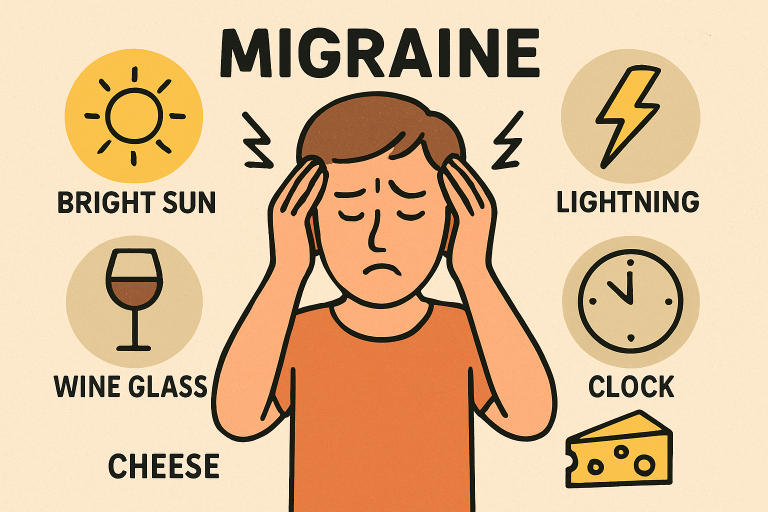
Table of Contents
Common Migraine Triggers
Identifying migraine triggers can be a transformative component of migraine care. While certain triggers may seem obvious—such as weather shifts or sleep deprivation—others can be elusive and deeply personal. According to the Mayo Clinic, the most frequently reported triggers include environmental disruptions, inconsistent lifestyle habits, emotional stress, hormonal fluctuations, and specific dietary ingredients.
Most migraine sufferers find that their triggers are not static but evolve due to lifestyle, health status, or age. For this reason, ongoing assessment and flexibility in your management approach are crucial.
Environmental Factors
Environmental changes are notorious for provoking migraine attacks. Sudden changes in weather patterns, such as transitions from hot to cold or rapid drops in barometric pressure, have been associated with a higher risk of migraines in the subsequent 12 to 24 hours. Events that disrupt daily routines—a phenomenon researchers call “surprisal”—have proven to raise migraine susceptibility as well.
Strong sensory stimuli, including harsh or flickering lights, loud sounds, and pungent odors, may act as instant migraine triggers. For those sensitive to environmental triggers, tools like sunglasses, noise-canceling headphones, or air purifiers can provide relief in trigger-prone settings.
Lifestyle Influences
Daily habits play an outsized role in the frequency and intensity of migraine attacks. Skipped meals, dehydration, irregular sleeping patterns, and overexertion are all commonly reported triggers. Keeping a structured schedule—regular sleeping hours, meal times, and hydration—helps reduce the risk of an attack. Lifestyle triggers often overlap with environmental and emotional ones, making vigilance and consistency doubly important.
Physical exertion, including intense or unplanned workouts, can also trigger an episode in some individuals, while sedentary routines and poor posture may contribute to tension-type headaches that evolve into migraines. Balancing activity levels is key.
Emotional and Psychological Triggers
Experiences of stress and anxiety can be the primary culprits for migraine onset. Emotional upheaval triggers physiological responses—such as increased cortisol production or muscle tension—that make the brain more susceptible to migraine attacks. Persistent feelings of stigma or social isolation attached to migraine can further amplify symptoms, impacting both quality of life and overall disability.
Mental health support, whether in the form of counseling, mindfulness practices, or relaxation therapies, is a critical element of a comprehensive migraine management plan. Addressing these triggers not only lessens the frequency of migraines but can also improve day-to-day functioning.
Hormonal Changes
Hormonal fluctuations, especially among women, are recognized as potent migraine triggers. Many experience migraines in tandem with their menstrual cycle, pregnancy, or menopause. Recent research has shown that shifts in estrogen levels can precipitate attacks, making it important for women to track their hormonal cycles and work with healthcare providers to mitigate these predictable triggers.
Dietary Triggers
Consumed foods and beverages can play a significant role in migraine attacks. Aged cheeses, processed meats, artificial sweeteners, caffeine (both excess and withdrawal), alcohol—especially red wine—and foods containing monosodium glutamate (MSG) are commonly cited culprits. Maintaining a migraine diary to monitor and eliminate suspicious foods is a proven way to avoid this type of trigger. Consistent hydration and maintaining stable blood sugar levels are also vital in prevention.
Managing Migraine Triggers
Effective migraine management involves both lifestyle modifications and medical consultation:
- Regularity Matters: A predictable schedule for sleep, meals, exercise, and hydration can reduce the frequency and severity of migraines.
- Stress Reduction: Adopting stress management techniques, such as mindfulness, yoga, breathing exercises, or therapy, can buffer the impact of psychological triggers and foster resilience.
- Environmental Adaptation: Using aids like sunglasses, earplugs, blackout curtains, and air filters helps control exposure to light, noise, and other triggers at home or while traveling.
- Professional Support: Discussing symptoms with healthcare professionals provides opportunities for preventive medications or targeted treatment suited to your unique triggers and needs.
Final Thoughts
Migraines are a formidable neurological condition, often fueled by a combination of avoidable and unavoidable triggers. Understanding your personal risk factors is the cornerstone of effective management. By picking up on trigger patterns and taking proactive steps—whether through consistent habits, stress reduction, or medical intervention—individuals can drastically improve their daily quality of life and minimize the disabling impact of migraines.