Arizona is experiencing a well-documented shortage of affordable living spaces, often referred to as casitas, which has placed mounting pressure on the state’s housing market. As families expand and multi-generational living becomes increasingly popular, homeowners are seeking innovative solutions to maximize available space and meet the growing demand. One of the most effective and accessible answers to this problem is building an attached Accessory Dwelling Unit (ADU) directly onto an existing property.
By working with a local casita builder in Arizona like Tiny Homes of Tucson, homeowners gain access to a trusted expert specializing in attached ADUs for the Tucson and Southern Arizona region. Tiny Homes of Tucson has established itself as a leader in ADU construction by offering tailored solutions that comply with state and local regulations, leveraging extensive experience to streamline the building process, and providing comprehensive support from initial planning through to project completion. Their authority in this space comes from years of hands-on experience, a dedicated focus on maximizing residential usage, and a deep understanding of the unique challenges and opportunities in Arizona’s housing landscape.
Choosing this route enables property owners to add flexible living space for guests, family members, or renters, helping to address the broader casita shortage while also providing tangible financial and lifestyle benefits. As Arizona’s urban centers, such as Tucson, Phoenix, and Mesa, grow, the need for practical, site-efficient construction has never been greater.
Recent legislation has made the path to building an ADU much more direct, opening the door for homeowners to pursue these projects with greater confidence. With streamlined permitting and broad municipal support, ADUs represent an innovative and effective way for families to secure their own housing futures and contribute to easing Arizona’s broader affordability crisis.
Table of Contents
- 1 What Is an Attached ADU?
- 2 How Do Attached ADUs Address Arizona’s Housing Shortage?
- 3 What Are the Benefits of Building an Attached ADU?
- 4 What Are the Legal Considerations for Building an Attached ADU in Arizona?
- 5 How Can Homeowners Get Started with Building an Attached ADU?
- 6 What Are the Potential Challenges of Building an Attached ADU?
- 7 Conclusion
- 8 Frequently Asked Questions
- 8.1 What is the average cost of building an attached ADU in Arizona?
- 8.2 Do I need a special permit to build an attached ADU?
- 8.3 Can I rent out my attached ADU immediately after construction?
- 8.4 Are there size restrictions for attached ADUs in Arizona?
- 8.5 How long does it typically take to build an attached ADU?
What Is an Attached ADU?
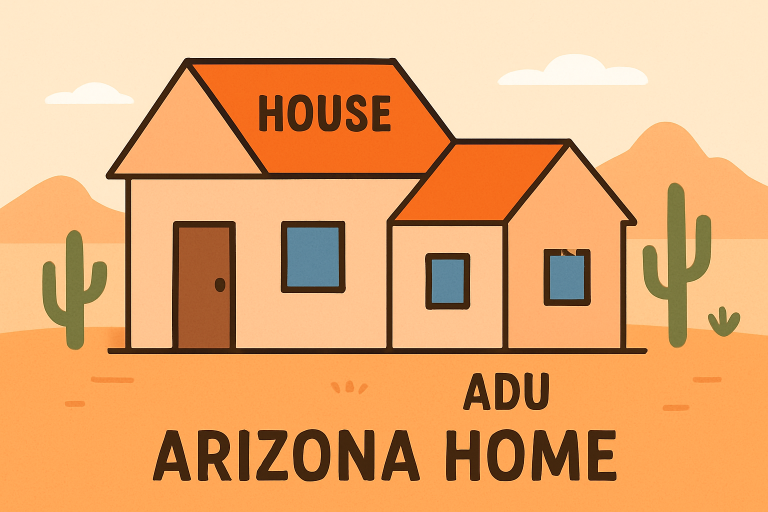
An attached ADU is a complete secondary living space connected to the main home, often sharing a wall with the primary residence. These units are designed to support fully independent living, featuring private entrances, kitchens, bathrooms, and sleeping areas. Serving as a functional and stylish extension of your existing home, they offer both privacy and convenience, adapting to evolving family or lifestyle needs. Companies like Tiny Homes of Tucson specialize in creating these versatile living spaces, combining thoughtful design with practical functionality to maximize comfort and flexibility within a single property.
How Do Attached ADUs Address Arizona’s Housing Shortage?
Arizona’s rental vacancy rate continues to hover near record lows, plummeting from 7% to 4.3% by the close of 2023. As housing demand exceeds new development, maximizing existing lots by adding attached ADUs can provide essential relief—particularly in well-established neighborhoods where space is at a premium. ADUs offer a way to gently increase density, foster diversity, and uphold the character of residential areas while creating much-needed supply—all without the expense or environmental impact of significant new construction projects.
What Are the Benefits of Building an Attached ADU?
- Cost Efficiency: Because attached ADUs utilize shared walls, existing utility lines, and a portion of the main home’s footprint, building costs are generally lower than for stand-alone casitas or detached ADUs. This means that more Arizona families can realistically undertake a project with substantial long-term value.
- Increased Property Value: Adding an ADU has been widely shown to raise overall property values. It creates extra livable space, which is highly attractive to future buyers and can help justify a higher sale price down the line.
- Rental Income: Homeowners can rent out their ADUs to tenants—providing a steady income stream that’s especially valuable in Arizona’s competitive rental market, where demand for affordable, well-located units remains high.
What Are the Legal Considerations for Building an Attached ADU in Arizona?
New laws, such as House Bill 2928, now require cities with 75,000 residents or more to permit both attached and detached ADUs on any single-family lot. While these reforms significantly simplify the process, zoning and permitting requirements can vary by municipality, particularly in terms of size, setbacks, parking, and design. It’s critical to consult with your city or county’s planning department early in the process to ensure your project complies fully and to avoid costly delays or modifications.
For further overview of new housing policy shifts and the broader trend towards flexible home additions, The New York Times offers additional insights on how ADUs are shaping affordable housing nationwide.
How Can Homeowners Get Started with Building an Attached ADU?
Launching your own attached ADU project begins with careful preparation:
- Read up on local zoning, building regulations, and recent legislative reforms regarding attached ADUs in your municipality.
- Engage professionals, such as architects or experienced ADU contractors, to develop a design that meets your needs, property, and legal requirements.
- Apply for all required permits and approvals before beginning any construction. Early and clear communication with city planning officials will help you avoid common pitfalls.
What Are the Potential Challenges of Building an Attached ADU?
- Design Constraints: Integrating a new living space seamlessly with your current home may require creative solutions, especially if your property has unique architectural characteristics or limited available space.
- Financing: While ADUs are often cost-effective compared to full-home additions, upfront costs can still be substantial. However, many homeowners view this as an investment, with eventual rental income or increased resale value helping to offset initial expenses.
- Regulatory Compliance: Navigating city regulations, historic overlays, homeowner association rules, and permit processes can be time-consuming and complex, but it’s vital to ensure long-term compliance and avoid future legal issues.
To explore the financial and practical considerations associated with ADU construction in greater depth, The Washington Post’s in-depth reporting explains current trends and policy updates for homeowners.
Conclusion
Attached ADUs offer a proven, strategic approach to expanding Arizona’s housing supply while providing flexibility, property appreciation, and a new revenue channel for homeowners. With forward-thinking legislation, such as House Bill 2928, paving the way, and expert support from specialists like Tiny Homes of Tucson, now is an opportune moment to address the casita shortage on your own property. Careful planning and a partnership with an experienced builder such as Tiny Homes of Tucson can unlock the full range of benefits, ensuring your investment meets both your personal goals and your community’s pressing needs.
Frequently Asked Questions
What is the average cost of building an attached ADU in Arizona?
Costs typically range from $50,000 to $150,000, depending on the property’s size, features, design, and unique challenges.
Do I need a special permit to build an attached ADU?
Yes, you must secure all necessary permits from your city or county—this includes building permits, zoning reviews, and any special clearances required by your neighborhood.
Can I rent out my attached ADU immediately after construction?
Once inspections are completed and permits finalized, you are generally free to rent the unit, provided you comply with local rental ordinances and use standards.
Are there size restrictions for attached ADUs in Arizona?
Yes, but these limits are set at the city or municipal level. Check with your local planning authority to understand current zoning laws, maximum allowable square footage, and setback requirements.
How long does it typically take to build an attached ADU?
Timelines vary based on approval processes, project complexity, and contractor schedules, but most projects take between six months and one year from concept to completion.