Highway crashes in Milwaukee remain a serious concern as traffic volumes and accident rates fluctuate across the city’s major routes. With accidents often resulting in serious injuries, legal and medical issues, and lengthy recovery periods, both residents and visitors need to be informed about accident prevention, post-accident steps, and the resources available to assist them. If you’ve been impacted by a highway crash, reaching out to Groth Law Accident Injury Attorneys can ensure you receive proper legal guidance and protect your rights throughout the claims process.
Highways in Milwaukee face unique challenges, including reckless drivers, challenging winter weather, increased truck traffic, and the complexities of urban infrastructure. By understanding these risk factors and staying informed about your legal options, you can reduce your risk and react decisively should an unfortunate incident occur. Legal support and community initiatives are actively working to improve roadway safety and support accident victims.
Proactive law enforcement and new city safety initiatives are transforming Milwaukee’s approach to highway crashes, with a focus on prevention, education, and community engagement. Grasping these systemic efforts, along with learning the right steps to take immediately after a crash, can significantly influence your outcome as a driver or accident victim.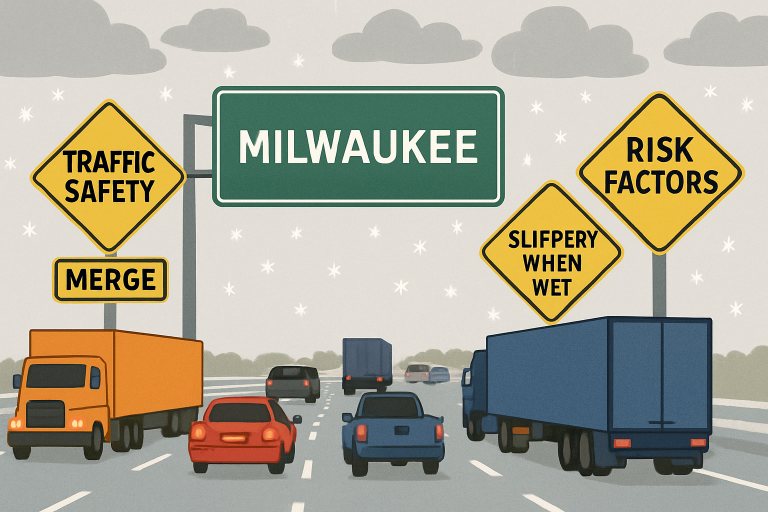
Table of Contents
Common Causes of Highway Crashes
Highway crashes in Milwaukee stem from several overlapping factors that endanger drivers, passengers, and pedestrians:
- Reckless Driving: Speeds exceeding posted limits, weaving between lanes, tailgating, and ignoring signals are frequent causes of highway incidents. The Milwaukee County Sheriff’s Office continues to increase patrols to deter these behaviors and prevent collisions.
- Impaired Driving: Alcohol and drug-related impairment remains a critical issue, often leading to severe wrong-way driving and high-speed collisions. The Wisconsin Department of Transportation reported over 700 wrong-way driver incidents in 2025, many of which were directly linked to impairment.
- Distracted Driving: From texting to manipulating vehicle infotainment systems, distracted driving causes loss of focus and delayed reactions that contribute to serious accidents every year.
- Poor Weather Conditions: Milwaukee’s winters bring snow, ice, and fog, which create hazardous roadway conditions, reduce visibility, and make stopping more difficult for drivers.
According to the National Highway Traffic Safety Administration (NHTSA), distracted and impaired driving remain leading contributors to collisions nationwide, underscoring the importance of driver attentiveness and responsible decision-making behind the wheel.
Legal Steps to Take After an Accident
The aftermath of a highway crash can be overwhelming. Immediate and well-informed action is essential to safeguard your health and legal rights:
- Ensure Safety: Move yourself and your vehicle to a secure area away from traffic if possible. Check for injuries among all parties.
- Call Emergency Services: Notify the police and request medical attention, even if injuries are minor or not immediately visible.
- Document the Scene: Use your phone to capture clear photos of the damage, road conditions, surrounding traffic signs, and relevant circumstances.
- Exchange Information: Collect names, contact numbers, vehicle details, and insurance information from every involved driver, witness, or passenger.
- Seek Medical Attention: Symptoms such as neck, back, or head pain can appear hours or days later, making prompt medical evaluation vital for documentation and recovery.
- Consult a Legal Professional: Having an experienced attorney advocate on your behalf streamlines your claim, negotiates with insurance companies, and ensures your rights are fully protected after a crash.
Milwaukee’s Vision Zero Initiative
In response to the increasing number of highway fatalities, Milwaukee County has recently implemented the Vision Zero initiative, which aims to eliminate all roadway deaths and severe injuries by 2037. This action plan is multi-faceted and community-focused, combining improved design, enforcement, and education.
- Infrastructure Improvements: Streets are being redesigned with traffic-calming measures, clearer signage, and higher visibility crosswalks to encourage safe driving practices.
- Public Education Campaigns: The city is utilizing social media, schools, and outreach events to educate residents about the dangers of reckless and impaired driving.
- Enhanced Enforcement: Increased visibility of law enforcement on highways and at busy intersections aims to deter violations such as speeding, failing to yield, and distracted driving.
Details about Milwaukee’s evolving Vision Zero Action Plan can be accessed through the city’s official page.
Resources for Accident Victims
Victims of Milwaukee highway crashes benefit from a broad network of resources designed to support medical, legal, and emotional recovery:
- Medical Services: Local hospitals, including Froedtert Hospital and Ascension St. Joseph, provide emergency trauma care alongside specialized rehabilitation programs.
- Legal Assistance: Experienced personal injury attorneys can help guide you through complex claims, ensuring you receive the compensation and support you deserve.
- Support Groups: Community-based organizations provide peer support, mental health counseling, and financial planning services to accident survivors and their families.
Having access to reliable information, trusted legal counsel, and strong support networks can help alleviate the stress of recovery and increase the likelihood of achieving positive outcomes. Understanding the primary causes of highway crashes, taking prompt legal and medical steps after an accident, and leveraging both city resources and professional guidance will help drivers and victims in Milwaukee navigate the aftermath with confidence and clarity.