Car insurance premiums often increase with age, but seniors have effective tools to keep costs down despite these industry trends. As drivers grow older, insurance companies tend to see them as higher risk, which can lead to higher premiums. However, being proactive and informed allows seniors not only to contest these increases but also to find valuable savings. Using strategies like completing a defensive driving course, taking advantage of senior discounts, and bundling auto insurance with home coverage can offer peace of mind and real financial benefits each year. Reviewing your coverage needs and understanding what influences costs will help you avoid unnecessary charges. For innovative coverage options made specifically for seniors, visit https://www.thehartford.com/aarp/car-insurance. Spending time learning about available discounts and best practices is the most important step toward more affordable, smarter insurance coverage tailored to your age.
To lower car insurance costs, seniors can take advantage of loyalty and safe-driving rewards, as well as lower mileage, onboard safety features, and usage-based insurance plans. Many insurers provide discounts based on driving data, helping seniors save money. By driving less, staying informed about new regulations, and comparing different companies, seniors can keep more money in their wallets. Reviewing coverage annually is also important for discovering new discounts and avoiding overpaying for unnecessary extras, ensuring comprehensive coverage at a fair price.
Table of Contents
Defensive Driving Courses
One of the easiest ways for seniors to reduce car insurance costs is by completing a state-approved defensive driving course. These courses, tailored for older drivers, keep them informed about current traffic laws and conditions. They also demonstrate to insurers that the driver prioritizes safety, which can lead to discounts ranging from 5% to 15%. Topics covered include new traffic signs, rules, hazard recognition, and accident prevention, helping seniors drive confidently and safely. Such programs support seniors in maintaining independence, lowering insurance premiums, and staying attentive while on the road.
Maintaining a Clean Driving Record
Insurance companies reward meticulous, responsible drivers who avoid traffic violations, speeding tickets, and accidents by offering them lower premiums. Seniors with a spotless driving record generally pay much lower premiums than those with tickets or claims in their history. Additionally, safe driving helps protect your well-being and reduces out-of-pocket expenses, such as deductibles and repair costs, from potential accidents. Adopting simple habits pays off over the course of decades. Safe driving is not just about saving money; it also means you are doing your part to keep the community’s roads safer for everyone.
Bundling Insurance Policies
Many seniors are eligible for valuable discounts when they bundle auto insurance with other insurance products, such as homeowners, renters, or life insurance policies. Major providers frequently offer reductions of 10% to 25% for carrying multiple policies under a single provider, increasing both cost savings and convenience. Bundling insurance doesn’t just save money; it simplifies your paperwork and billing, making managing your insurance coverage much more straightforward. By consolidating policies, you ensure your coverage doesn’t lapse by accident and make it easier to review your protection as your life changes. This streamlined approach can also save time, as you have one point of contact and combined statements, which makes managing financial matters less stressful. It’s always worthwhile to ask your insurer how much you could save by bundling, and see if the additional savings stack with existing senior or loyalty discounts.
Installing Vehicle Safety Features
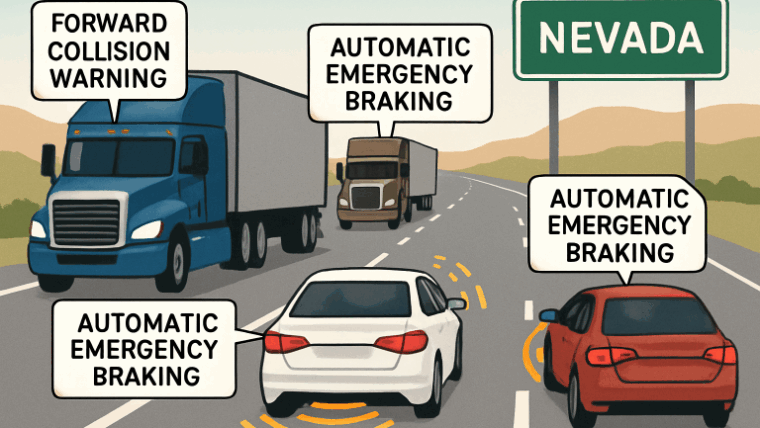
Vehicles with advanced safety features often qualify for premium discounts because they reduce the risk of accidents and theft. Features like anti-lock brakes, lane departure warnings, backup cameras, adaptive cruise control, airbags, and anti-theft devices enhance safety and help insurers’ risk assessments. Upgrading or adding safety features to your vehicle can result in lower insurance rates. Investing in safety is smart, as it not only protects you but also helps cut insurance costs. Additionally, some states require insurers to offer discounts for certain safety features, making these upgrades even more valuable.
Exploring Usage-Based Insurance Programs
Usage-based insurance (UBI) is increasingly popular, especially among seniors who tend to drive less in retirement. Programs like State Farm’s Drive Safe & Save or Liberty Mutual’s RightTrack employ apps or telematics devices to track driving behaviors in real time. Safe practices can earn discounts of up to 40%. Since retirees generally travel less than working adults, these programs use actual driving data to offer tailored savings. Enrolling also promotes safer driving habits through ongoing feedback, encouraging drivers to improve their habits. These options prevent premiums from being based on outdated assumptions and instead reflect your current driving habits.
Reducing Annual Mileage
If you’ve cut back on driving, make sure your insurer knows. Several insurance providers offer specific low-mileage discounts or innovative pay-per-mile policies that charge premiums based mainly on how much you actually drive. This model can be particularly cost-effective for retirees and seniors whose annual mileage is well below the national average. Underestimating your mileage savings can leave money on the table, so be sure your driving habits are up to date in your policy records. Honest reporting on annual mileage ensures you’re not paying for coverage based on usage you no longer need, maximizing your savings without sacrificing peace of mind while driving.
Raising Deductibles
Another simple way to lower your ongoing car insurance expenses is to raise your deductible, which is the amount you pay out of pocket before the insurance coverage kicks in. Increasing your collision or comprehensive deductible from $500 to $1,000, for instance, can reduce your premium by up to 20%, saving you hundreds of dollars each year. However, it’s important to have enough savings set aside to comfortably cover your new deductible in case of an accident. This approach is ideal for drivers who tend to drive safely, have few claims, and are willing to accept higher out-of-pocket costs after a loss in exchange for lower monthly payments.
Shopping Around for Better Rates
Insurance rates can vary greatly between different companies and even among specific policy options within the same company. That’s why experts recommend shopping around regularly, ideally every year or two, or whenever you experience a life event like moving or retiring. Comparing quotes is now easier than ever: many online tools allow you to review detailed quotes side by side, and reaching out to insurers directly can ensure you’re getting the best senior and loyalty discounts available. Switching insurers can be a straightforward process, and you may find you receive better terms or extra perks simply by being a savvy, proactive customer. Reviewing and comparing policies periodically helps you stay alert to market changes and guarantees your insurance spending remains lean and justified for your needs.
Conclusion
Seniors can take meaningful control of their car insurance costs by combining safe driving habits with smart policy choices. From defensive driving courses and clean records to mileage adjustments, safety features, and regular rate comparisons, each step creates opportunities for lasting savings. By staying informed and regularly reviewing coverage, seniors can secure reliable protection while keeping premiums affordable and aligned with their current driving needs.