When a family first hears the words “Down syndrome,” they may feel a mix of emotions ranging from uncertainty to hope. In these moments, the connection between families and communities becomes an essential foundation for supporting the journey ahead. Accessing trusted Down syndrome resources can provide guidance, reassurance, and encouragement to navigate the road with confidence.
The power of informed, loving family members, coupled with a supportive community, can’t be underestimated. From practical advice to emotional support, these interconnected systems offer a powerful springboard for individuals with Down syndrome, enhancing their development and opening doors to new possibilities.
As awareness and advocacy continue to grow, both families and communities are finding new ways to champion inclusion, celebrate uniqueness, and promote equal opportunities. Across the globe, thousands of organizations and advocacy groups work tirelessly to ensure every individual receives the respect, care, and chances they deserve.
Understanding the landscape of support available, as well as its impact, can empower individuals, families, and allies to make informed decisions and form networks that foster lifelong growth and fulfillment.
Table of Contents
Understanding Down Syndrome
Down syndrome is a genetic condition that arises from the presence of all or part of an extra 21st chromosome. Individuals with Down syndrome often experience a mix of physical and cognitive differences and can face distinct medical and developmental challenges. However, the range of abilities is broad, and many lead healthy, productive lives with the proper supports in place. Early intervention, ongoing therapies, and a nurturing environment are key contributors to personal growth and success.
The Role of Family Support
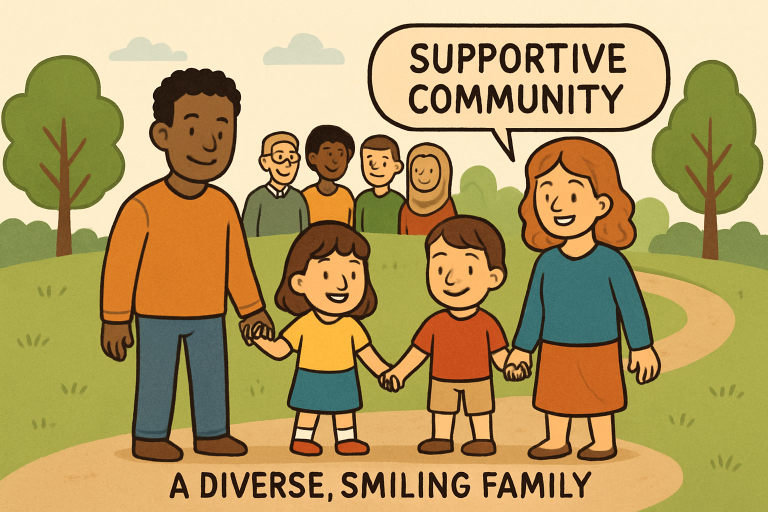
A strong, connected family environment is a primary pillar of support for anyone with Down syndrome. Parents and close relatives often become the greatest advocates, ensuring access not only to medical care and essential services but also to opportunities in education and recreation. Open family communication, shared experiences, and self-advocacy skills help nurture confidence and independence.
The bond between siblings is also significant, creating a network of shared understanding and lifelong encouragement. These supportive connections help normalize the experience and build resilience, both within the individual and the family unit.
Community Involvement and Its Impact
The influence of inclusive, compassionate communities cannot be overstated. Local support groups, service organizations, and advocacy networks create safe spaces where individuals with Down syndrome and their families can connect, share resources, and learn from one another. For example, the Down Syndrome Association of Central New Jersey is renowned for bringing families together from the earliest diagnosis through adulthood, fostering support and inclusion through workshops, social events, and outreach programs.
Adequate community support extends beyond individual programs; it encourages societal participation and representation, ensuring that no one feels isolated or left behind.
Educational Resources and Advocacy
Reliable information is essential in empowering families to make daily decisions about care, education, and health. Organizations like the National Down Syndrome Society (NDSS) offer comprehensive online resources for families and professionals, including the CARE Down Syndrome Project, which aims to enhance healthcare for adults living with Down syndrome.
Advocacy at the local, state, and national levels ensures that laws and policies evolve to reflect the needs of people with Down syndrome, protecting rights and opening doors to meaningful educational and employment opportunities. Additional educational guidance is available through governmental and nonprofit organizations, such as the Centers for Disease Control and Prevention, which offers up-to-date information for families and community members.
Financial Support and Grants
Financial assistance enables families to access essential supports, ranging from medical care to enrichment activities and adaptive equipment. The Global Down Syndrome Foundation is a leader in investing millions of dollars in local initiatives providing educational classes, fitness programs, and therapeutic interventions for individuals with Down syndrome and their families. Such grants ensure that quality programming is accessible to all, regardless of socioeconomic background.
Local and national governments often provide additional support through social services and special education funding, further removing barriers for families pursuing care and opportunity.
Building Inclusive Communities
Beyond financial or resource-based support, true inclusion means shifting attitudes to embrace diversity as a strength. Community events, inclusive education practices, and thoughtful policy-making help create environments that celebrate differences. Awareness campaigns hosted by advocacy groups and national organizations remind the public that inclusivity benefits everyone, not just those directly affected by Down syndrome.
By proactively fostering understanding and acceptance, entire communities become advocates, enabling individuals with Down syndrome to thrive culturally, academically, and socially. Coverage by major publications, such as The New York Times, highlights the growing national dialogue around inclusion and the urgent need for continued progress.
Personal Stories of Triumph
Nothing illustrates the power of support like real-life triumphs. Individuals with Down syndrome who have benefitted from strong support systems often share stories of breaking barriers, entering the workforce, graduating from college, or leading advocacy campaigns. Families who engage with support groups and local organizations report more opportunities and a higher quality of life. These narratives inspire others and create a ripple effect—encouraging new families and communities to take collective action.
Conclusion
Individuals with Down syndrome lead richer, more independent lives when backed by the dual pillars of family and community support. Through educational resources, dedicated financial assistance, and inclusive attitudes, society as a whole benefits. By working together to offer unwavering support and champion acceptance, families and allies create a world where every individual can thrive—strengthening bonds and redefining what’s possible for the Down syndrome community and beyond.