Table of Contents
- 1 Understanding Commercial Vehicle Accidents
- 2 Common Causes of Commercial Vehicle Accidents
- 3 Legal Framework Governing Commercial Vehicle Accidents in Nevada
- 4 Determining Liability in Commercial Vehicle Accidents
- 5 Recent Incidents Highlighting the Severity of Commercial Vehicle Accidents
- 6 Preventive Measures and Safety Tips
- 7 Steps to Take After a Commercial Vehicle Accident
- 8 Conclusion
Understanding Commercial Vehicle Accidents
Commercial vehicle accidents in Nevada are particularly concerning due to the size, weight, and speed at which these vehicles operate. When an accident involving a large truck or commercial vehicle occurs, the risks of severe injury and extensive property damage are much greater. Navigating the aftermath of such an event requires an understanding of both the immediate safety procedures and the complex legal landscape surrounding these incidents. For individuals affected by a rideshare-related crash, it may be helpful to consult a specialist, such as those at https://injuryfirm.vegas/las-vegas/uber-accident-lawyer/, for guidance on next steps.
The legal and safety implications of commercial vehicle crashes do not just concern those directly involved. Other motorists, pedestrians, and even bystanders can be affected, underscoring the necessity of prevention and prompt action after any collision. With recent increases in traffic and freight activity on Nevada’s key highways, the potential for accidents has grown. This makes awareness of rights, responsibilities, and recommended actions all the more relevant for everyone traveling in the state.
Common Causes of Commercial Vehicle Accidents
Commercial vehicle accidents often stem from a combination of human error, mechanical issues, and regulatory oversights. Some of the most prevalent causes include:
- Driver Fatigue: Many commercial drivers are under pressure to meet tight deadlines, leading to long stretches behind the wheel. Fatigue significantly reduces reaction time and decision-making ability, increasing the risk of collisions.
- Distracted Driving: Whether it is texting, using a navigation system, or adjusting the radio, distractions can easily divert a driver’s attention from the road and create dangerous situations.
- Improper Maintenance: Commercial vehicles require regular inspections and timely servicing. Issues such as brake failures, tire blowouts, or defective lighting can be catastrophic if neglected.
- Overloading: Loading vehicles beyond the manufacturer’s recommended capacity compromises braking performance, stability, and overall vehicle control.
Recognizing these risks can help both commercial drivers and others on Nevada’s roads take proactive steps to minimize their chances of being involved in a serious accident. Maintaining awareness and adhering to proper safety procedures makes a positive difference for everyone.
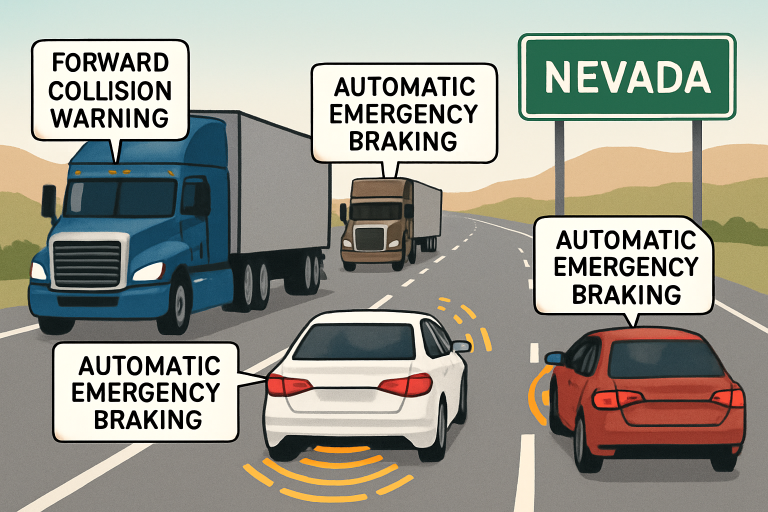
For additional information on best practices related to commercial trucking safety, resources such as the Federal Motor Carrier Safety Administration’s guidelines are invaluable.
Legal Framework Governing Commercial Vehicle Accidents in Nevada
Nevada has established rigorous legal requirements for drivers and companies operating commercial vehicles. These rules are designed to protect the public and ensure a fair process when accidents happen.
- Duty of Care: Every commercial driver has a legal obligation to operate safely and avoid causing harm. This encompasses obeying traffic laws and taking reasonable precautions to protect others.
- Employer Liability: Companies that employ commercial drivers can be held responsible for their drivers’ actions. Under the doctrine of respondeat superior, a business may be liable for an accident that occurs while an employee is performing job duties.
- Comparative Fault: Nevada follows a modified comparative negligence rule. Injured parties can still recover damages provided they are not more than 50 percent at fault for the accident.
These rules are at the core of many commercial vehicle accident claims and shape the process for determining compensation after a crash. Legal advice is often essential, given the complexity and potential for liability disputes.
Determining Liability in Commercial Vehicle Accidents
Assigning fault in commercial vehicle accidents is rarely straightforward. Liability may extend to multiple parties, including:
- Trucking Companies: When negligence in hiring, supervision, or driver training is demonstrated, companies may be found responsible for the resulting accidents.
- Vehicle Manufacturers: If defective parts or systems contributed to the crash, manufacturers can face liability claims.
- Maintenance Providers: Inadequate or improperly performed repairs or inspections can expose them to liability for third-party maintenance services.
Accident investigations often require extensive documentation, such as driver logs, vehicle maintenance records, and expert analysis. Obtaining this evidence is crucial for establishing the actual cause and responsible party in any commercial vehicle crash.
Recent Incidents Highlighting the Severity of Commercial Vehicle Accidents
Recent events illustrate the consequences these accidents can have on Nevada’s highways. A tragic collision on Interstate 15 involving four semi-trucks prompted significant highway closures and loss of life, demonstrating the need for improved safety protocols and stricter enforcement of regulations. The ramifications of such incidents can extend beyond traffic disruptions, affecting entire communities. Further details about this incident are available in coverage by Fox5Vegas.
Case studies like these emphasize the urgency of ongoing efforts to enhance oversight and promote accountability within the commercial vehicle industry.
Preventive Measures and Safety Tips
Improving commercial vehicle safety is a shared responsibility. Key measures to help reduce accident risks include:
- Regular Maintenance: Comprehensive and routine inspections help detect and fix mechanical problems before they cause accidents.
- Driver Training: Ongoing education programs keep commercial drivers up to date on current safety protocols and regulations.
- Adherence to Hours of Service: Following prescribed limits on driving hours reduces fatigue and promotes alertness.
Adopting these practices can significantly lower accident rates and benefit all motorists on Nevada’s roads. For more general highway safety tips and statistics, the National Highway Traffic Safety Administration is a valuable resource.
Steps to Take After a Commercial Vehicle Accident
- Ensure Safety: Move to a safe area if possible and quickly check for injuries. Avoid obstructing traffic or causing further hazards.
- Call Emergency Services: Notify law enforcement and request medical help immediately if there are injuries. Official reports are essential for future claims.
- Document the Scene: Take clear photos and collect contact information from witnesses and involved parties. Record the details of any property or vehicle damage.
- Seek Medical Attention: Obtain an evaluation even if no injuries are immediately apparent. Some effects may appear hours or days after an accident.
- Consult Legal Counsel: Connecting with professionals who have experience in commercial accident cases helps ensure your rights and options are protected.
Conclusion
Commercial vehicle accidents in Nevada involve complex legal issues and pose significant safety risks. Awareness of common causes, relevant laws, and preventive steps is crucial for safeguarding yourself and others on the road. When accidents do happen, knowledge of the appropriate actions and available resources can make a meaningful difference in physical recovery and legal outcomes.