As the world grows more connected and fast-paced, many learners are seeking options that fit seamlessly into their lives. Flexible online education programs have answered the call, delivering a format that balances academic ambition with family, career, or other personal responsibilities in ways that traditional education rarely can. These programs make it possible for people who might otherwise be unable to enroll in higher education—due to distance, cost, schedule, or competing priorities—to access what they need finally. Whether you’re a working professional looking to advance your career, a parent managing a busy household, or someone with unique scheduling needs, enrolling in Missouri online degrees offers the convenience and adaptability needed to succeed without sacrificing current commitments. By providing a learning environment that molds around your existing obligations, online education is truly revolutionizing access to knowledge and self-improvement.
With rapidly evolving job markets and technology, education no longer needs to be bound by rigid timetables or specific geographic locations. Online learning empowers students to take control, allowing them to tailor their educational journeys to suit their unique needs and daily rhythms. This paradigm shift is making higher education of higher quality, not just accessible but also attainable for a much broader segment of society. As more institutions invest in powerful learning platforms and interactive content, students everywhere—from thriving cities to remote rural communities—are finding doors to opportunity open wider than ever before.
Table of Contents
Flexibility and Scheduling
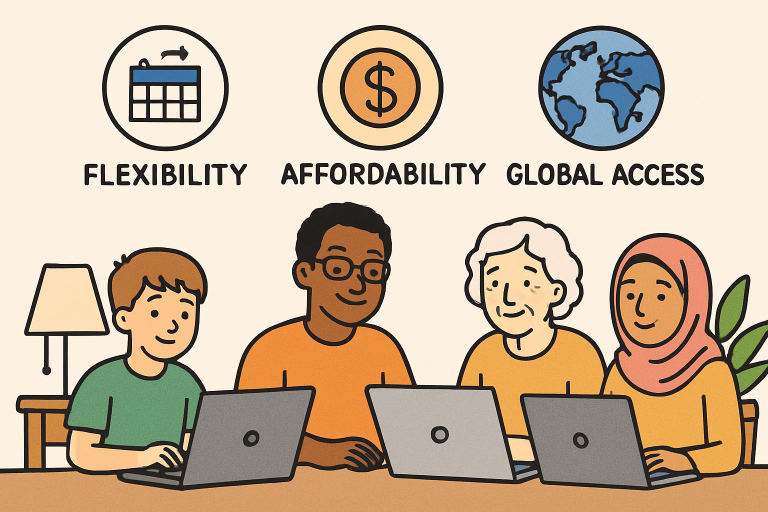
Flexibility ranks as the hallmark benefit of online education. Rather than adjusting your life around fixed class schedules, flexible online programs empower you to learn whenever and wherever suits you best—an essential consideration for many with work or family responsibilities. Courses at Northwest Missouri State University are often asynchronous, so assignments, lectures, and discussion boards remain available around the clock. This 24/7 access enables learners to review material as many times as needed and participate in coursework outside regular business hours, such as late evenings or weekends. This freedom enables students to pursue their education, regardless of demanding work hours, childcare duties, or household responsibilities.
Affordability and Cost Savings
Traditional in-person education often comes with significant additional costs, including daily commuting expenses, parking passes, and on-campus meals, as well as physical textbooks and student activity fees. These hidden costs can push a college education out of reach for many deserving students who already face rising tuition rates. Online programs typically offer more affordable tuition fees, due in part to lower facility costs and the use of digital materials instead of print. Additionally, the ability to study from home allows students to save substantial amounts on transportation and living expenses. For many learners, this breaks down barriers that previously made higher education financially inaccessible, leveling the playing field across socioeconomic backgrounds. The flexibility to continue working full-time or part-time while earning a degree at your own pace further underscores the cost-effective nature of online study, making educational goals more achievable on a budget. For adult learners, parents, or those supporting themselves financially, these savings can mean the difference between deferring further education and pursuing it.
Accessibility for Diverse Learners
Online education isn’t limited by geography or conventional boundaries. Students from small towns, rural cities, across states, or even entirely different countries can all have access to the same high-quality instruction and resources. This inclusivity means classrooms are increasingly diverse, exposing learners to broader perspectives, fresh ideas, and an invaluable sense of global citizenship. With online platforms breaking down physical barriers, those with mobility challenges, caregiving obligations, or unreliable transportation also find a more welcoming path to education. As noted by Forbes, online education is a rapidly expanding opportunity that allows people from previously underrepresented backgrounds to join the academic conversation and make their voices heard.
Personalized Learning Experiences
Self-paced options allow students to move quickly through topics they grasp or linger where extra time is beneficial, thereby reducing frustration and increasing mastery. Instructors can tailor assignments, recommend supplementary materials, and provide differentiated feedback according to each student’s learning style and strengths. In many programs, adaptive learning technologies help assess student progress, highlighting weak points and automatically serving up targeted content or exercises. This sophisticated level of personalization enhances engagement and fosters both confidence and long-term retention, while also encouraging students to take ownership of their educational journey. Students are empowered to shape their experience and move toward their career or personal goals on their own terms, making online programs a great fit for both independent learners and those who need extra support.
Development of Essential Skills
Success in online learning demands and develops practical skills that are vital in today’s competitive workplace. Time management, self-discipline, problem-solving, and digital communication are all honed from the very first day. Learners must set their own schedules, tracking assignments, deadlines, and group projects independently without regular in-person reminders. The requirement to manage your own progress fosters a strong sense of motivation and accountability. Exposure to new technology platforms, learning management systems, video conferencing, and digital collaboration tools also leaves graduates with a robust digital skill set valued in virtually every modern industry.
Enhanced Instructor Support
Many mistakenly believe that online classes are impersonal, but the reality is often quite the opposite. Instructors utilize multiple communication channels—real-time chat, email, discussion forums, and video calls—to provide guidance, explanations, and assistance readily available. Most programs now feature structured feedback on assignments, proactive check-ins, and even virtual office hours, so students never feel isolated, even while learning remotely. The opportunity to reach out at any time encourages open conversation, clarifies confusing concepts, and builds mentorship bonds. This dependable support network creates a strong sense of belonging and community, which is essential for academic growth and student satisfaction.
Preparing for the Future Workforce
Online learning closely mimics remote collaboration environments found in many modern workplaces, equipping graduates with the ability to work independently and with teams spread across various locations. Students become proficient in both written and verbal digital communication, utilizing project management tools, video conferences, and cloud-based file sharing to collaborate effectively. As highlighted in U.S. News, the shift toward digital education is reshaping how students prepare for future careers, emphasizing adaptability and technological fluency. The ability to adapt quickly to new technology, troubleshoot problems, and learn independently are all skills that set online graduates apart. According to a survey by Penn Foster Group, 70% of teachers believe that online learning will be rapidly necessary for workforce readiness by 2025. These adaptable, technologically literate graduates are exceptionally well prepared to enter or advance within the evolving job market, making them highly desirable to companies that value innovation and flexibility.
Conclusion
The advantages of flexible online education programs are wide-ranging and substantial. They transform the way education fits into our lives, offering affordability, accessibility, and essential skill development without compromising on the standard of learning. As digital learning continues to grow and evolve, these programs remain central to further expanding educational access and ensuring workforce preparedness for learners from diverse backgrounds. By removing obstacles and delivering opportunity, flexible online education lights the way to a brighter academic and professional future.