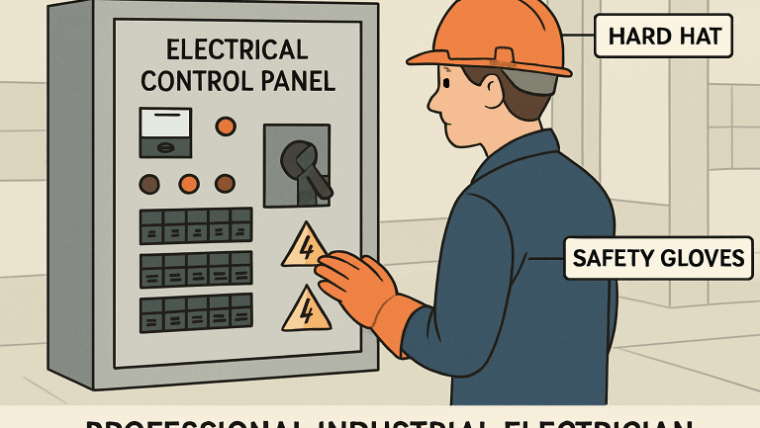
Home electrical systems are integral to daily life, powering everything from lighting and appliances to heating and entertainment. Yet, despite their convenience, electrical setups can pose serious risks if not properly maintained or handled. Homeowners can take proactive measures to reduce hazards, protect their families, and extend the lifespan of their electrical infrastructure. Understanding basic safety practices, recognizing warning signs, and maintaining regular inspections are essential steps to fostering a safe home environment.
Routine maintenance and professional evaluations play a crucial role in preventing electrical accidents. Consulting with an electrician in Lexington, MA, ensures that circuits are correctly installed, outlets are functioning safely, and any potential issues are addressed before they escalate. From checking for frayed wires to testing circuit breakers, these precautions help minimize fire hazards and reduce the likelihood of shocks or outages, giving homeowners peace of mind while maintaining a secure and efficient electrical system.
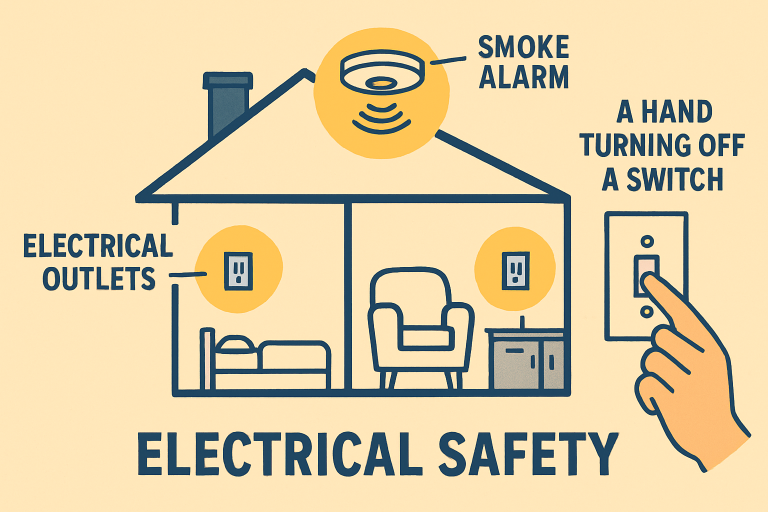
Table of Contents
Regular Electrical Inspections
Inspections are vital for spotting trouble before it unwinds. Check for flickering lights, tripping breakers, discolored outlets, or buzzing sounds from switches and fixtures. If you spot any of these signs, they are red flags for potential electrical hazards that should be assessed. Expert inspections not only reveal hidden dangers but also help ensure your system is compliant with the latest safety codes.
Avoid Overloading Outlets
Plugging too many devices into a single outlet can overload your home’s electrical system and increase the risk of fire. Always use power strips with built-in circuit breakers, and never daisy-chain multiple extension cords together. If you find yourself running out of outlets, consider professional outlet and switch upgrades to safely accommodate your household’s needs. Upgrading old or worn switches and installing additional outlets can prevent overloading, improve convenience, and ensure your electrical system meets modern safety standards. For more complex installations or assessments, consulting an electrician can help ensure that all upgrades are done correctly, minimizing hazards and keeping your home both functional and secure.
Use Appliances Safely
Follow all manufacturer instructions for any device in your home. Regularly check that cords and plugs are in good condition and never operate appliances with frayed wires or broken plugs. Unplug appliances when not in use to prevent potential malfunctions and cut energy costs. This not only improves safety but also extends the lifespan of your devices and helps reduce your monthly utility bills.
Install Ground Fault Circuit Interrupters (GFCIs)
GFCIs are lifesaving devices that instantly cut off power when an imbalance occurs, preventing electrical shocks and possible fires. Install them in all high-risk areas, such as bathrooms, kitchens, garages, and outdoor spaces. These areas are prone to moisture, increasing the risk of shocks. To keep GFCIs effective, test them monthly and replace any that malfunction.
Protect Against Power Surges
Unexpected power surges can swiftly damage sensitive appliances and electronics. Surge protectors absorb these spikes, preventing damage to devices such as computers, televisions, and smart devices. For comprehensive defense, a whole-home surge protector installed by a licensed electrician will shield the entire electrical system, offering peace of mind even during storms or utility service issues.
Keep Electrical Devices Away from Water
Since water conducts electricity, even a small spill can result in a life-threatening shock. Keep all electrical appliances dry and away from water sources. Always dry your hands before touching light switches or outlets, especially in places where spills are likely, such as kitchens or bathrooms. For added protection, ensure GFCI outlets are installed wherever water and electricity might mix.
Upgrade Outdated Wiring
Many older homes have wiring that does not comply with modern safety standards. This can be a significant hazard, especially if the wiring is brittle or covered with outdated insulation. Homes more than 40 years old should be evaluated by a licensed electrician, who can recommend an upgrade or complete rewiring. New wiring supports today’s electrical loads and prevents shorts or electrical fires.
Hire Qualified Professionals
Electrical work should never be a DIY project. Only licensed and experienced electricians should tackle repairs, upgrades, or installations. A qualified professional ensures every job follows local codes, optimizes your home’s efficiency, and prioritizes your safety. Choosing certified experts means peace of mind and a lower risk of costly or dangerous mistakes in the future.
Conclusion
Prioritizing electrical safety is a continuous commitment that enhances your home’s value, functionality, and security. With regular maintenance, responsible use, and expert intervention when needed, you build a fortress against electrical accidents and set a strong example for everyone under your roof.