Table of Contents
Introduction
Advances in dental technology have significantly improved the way dental procedures are performed. One of the most transformative innovations is the introduction of same-day dental restorations, which allows patients to have treatments like crowns and veneers completed in a single visit. This modern approach is especially beneficial for individuals experiencing urgent dental issues, such as bleeding gums, or those who simply value efficiency and convenience. The convenience of same-day restorations exemplifies the contemporary shift toward patient-centered care, where minimizing patient discomfort and maximizing results are primary goals. These state-of-the-art solutions leverage advanced digital tools to streamline every step of the restorative process, from diagnosis to final placement. Not only do they save patients from multiple appointments and the hassle of temporary restorations, but they also offer significant advantages for dental staff, such as improved workflow management and reduced chair time.
Time Efficiency
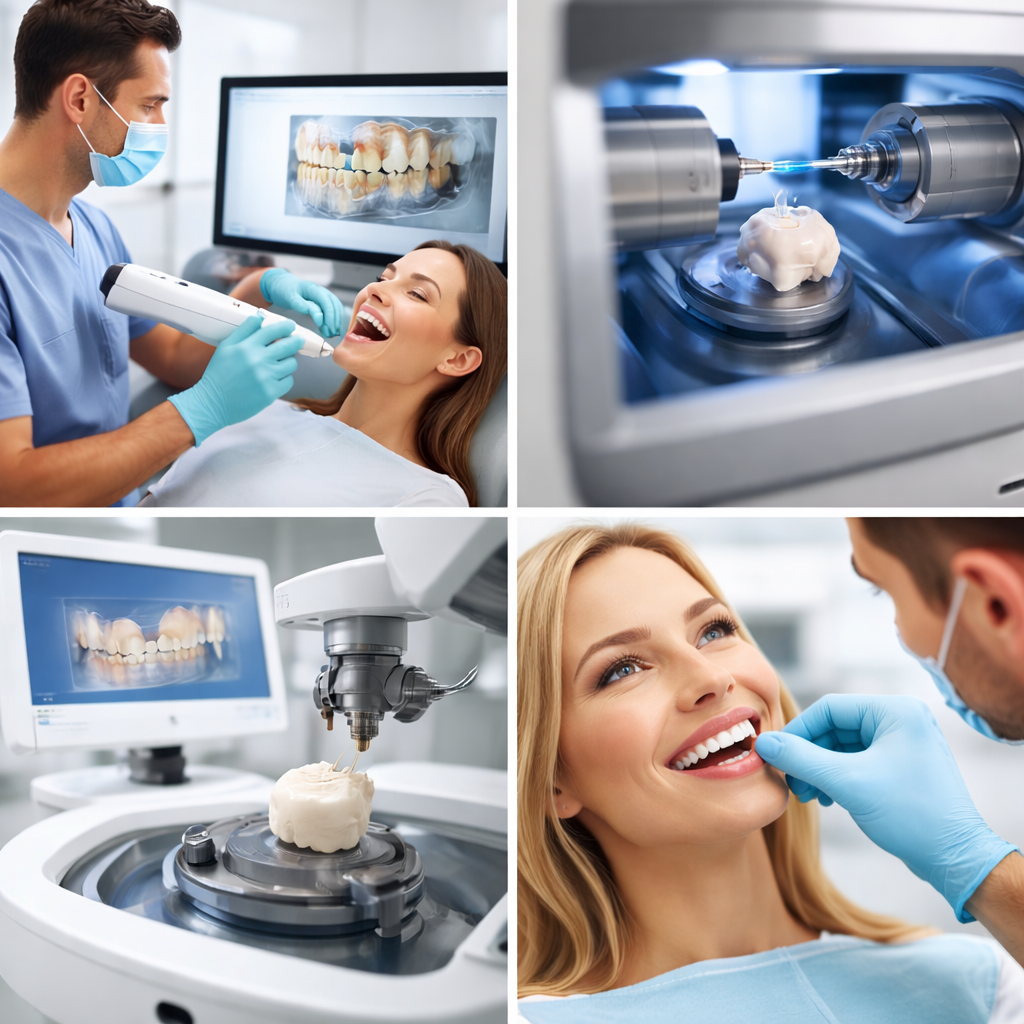
The most striking advantage of same-day dental restorations is the dramatic reduction in treatment time. Traditional procedures typically require at least two visits: one to prepare the tooth and take an impression, and another for final placement after a dental laboratory has fabricated the restoration. This type of multi-visit scheduling could mean weeks between the initial injury or discomfort and the final resolution. However, the use of cutting-edge CAD/CAM (computer-aided design and manufacturing) systems now means that the entire process, from digital impression to milling and placement, can be accomplished in a matter of hours. Instead of dealing with the inconvenience of temporary crowns or repeated injections, patients now enjoy rapid, permanent solutions in a single session. This time-saving benefit is especially valuable for busy individuals who may find it challenging to schedule multiple appointments, thereby reducing interruptions to work or personal commitments. Additionally, reducing the number of visits lessens the time patients spend away from their regular activities, making dental care more accessible for everyone, including parents, professionals, and students.
Enhanced Precision and Fit
The adoption of digital impressions and in-office milling machines has enabled dental restorations to be more precise than ever before. Instead of relying on traditional molds, dentists use scanning technology to create highly accurate 3D models of a patient’s teeth. The digital workflow vastly reduces the possibility of human error that can occur with manual impression materials and laboratory transfers. By capturing exact details and shapes, dentists can design restorations that fit the natural contours of each individual’s smile. This process not only improves the fit of the final restoration but also minimizes the likelihood of ill-fitting crowns or the need for subsequent adjustments. The enhanced precision also supports long-term oral health by discouraging gaps and misalignments that can lead to additional dental problems, such as decay or gum disease. Patients enjoy greater comfort and restoration longevity, knowing their crown or veneer is custom-formed to their unique anatomy from the very start.
Improved Patient Comfort
Digital scanning technology eliminates the need for uncomfortable traditional impression materials, which can be unpleasant for many patients. In the past, patients often had to endure sticky or putty-like impression substances that could trigger gag reflexes or discomfort. Instead, a small scanning device swiftly captures a digital model of the mouth, making the procedure more comfortable and less intimidating. The improved process often results in a more positive patient experience, reducing dental anxiety and increasing the likelihood that individuals will pursue necessary treatments.
Cost-Effectiveness
Consolidating the restoration process into a single visit helps patients save both time and money. Fewer appointments translate into lower costs related to travel, childcare, or time off work. For individuals who travel long distances or juggle busy family schedules, this single-visit solution can mean substantial cost savings over the course of their treatment. Additionally, eliminating temporary restorations reduces expenditure on materials ultimately discarded, lowering both direct and indirect treatment expenses for the patient.
Durability and Aesthetics
Modern same-day restorations are crafted from high-quality ceramics that are both strong and visually appealing. These advanced materials are engineered to withstand the repeated pressure of everyday chewing and biting, ensuring that the restoration lasts for years with proper care. The same technology that enables precise fitting also allows for the use of incredibly resilient ceramics, which are less prone to chipping or cracking than earlier generations of dental materials. Furthermore, the availability of different shades and translucencies allows dentists to craft crowns and veneers that blend seamlessly with the patient’s natural teeth.
Technological Advancements
The ongoing evolution of dental technology has led to further improvements in same-day restorations. Recent innovations include the integration of 3D printing, enabling rapid fabrication of complex restorations from advanced materials such as zirconia. The unique capabilities of 3D printing enable greater design flexibility and the production of customized dental solutions that address even the most challenging cases. These developments reduce wait times and enhance quality, representing a significant leap forward for patients and dental providers alike. The dental industry is witnessing growing adoption of digital workflows, with cloud-based design and remote collaboration further optimizing clinical outcomes. With research from institutions such as the University of Texas at Dallas pointing to even more efficient and effective methods ahead, patients can look forward to continued improvements in dental care quality.
Final Thoughts
Same-day dental restorations are setting a new standard in dental care by combining fast treatment, high precision, and superior aesthetics. By eliminating the need for repeat office visits, reducing discomfort, and delivering naturally beautiful results, this technology has reshaped patients’ expectations and practitioners’ possibilities. As dental technology continues to advance, these procedures are likely to become even more accessible, making it easier than ever for patients to maintain a healthy, beautiful smile without extensive disruption to their daily lives. Embracing these innovations can transform not only the patient experience but also the broader landscape of dentistry itself. The future of dental care promises greater convenience, efficiency, and satisfaction for everyone involved.