Consistent dental care forms the foundation for a healthy mouth and overall well-being throughout life. Gum disease, tooth decay, and other oral problems can diminish both comfort and confidence, making proactive oral hygiene crucial at every age. Ensuring habits are in place today improves the chances of keeping your natural teeth healthy for years to come. If you’re searching for the best dentist to support your oral health, adopting these essential practices will make your visits smoother and your results more lasting. Making small changes every day to care for your teeth and gums can pay significant dividends as you get older.
Rather than waiting for issues to develop, taking preventive steps with your daily routine and seeking regular professional guidance shapes a lifelong pattern of oral health. Optimal oral hygiene involves a blend of personal habits, nutrition, regular professional checkups, and, for seniors or those with prosthetics, careful attention to unique needs.
Table of Contents
Brush and Floss Regularly
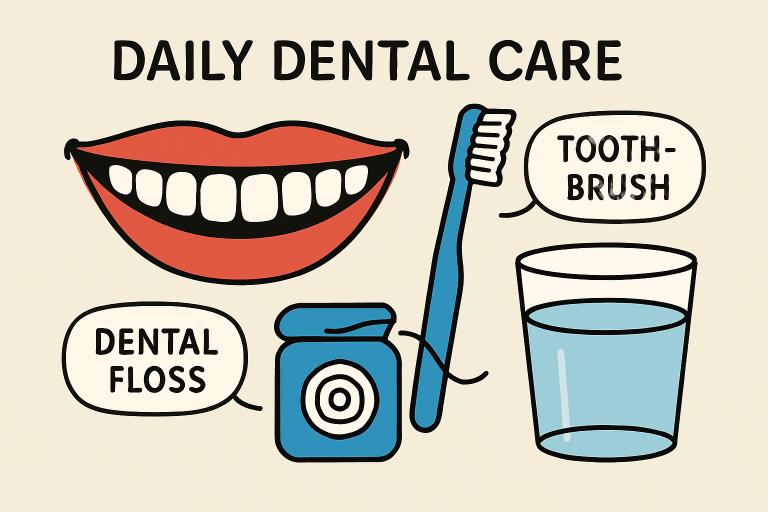
Daily brushing and flossing keep your mouth free of food debris and dental plaque. Use a fluoride toothpaste and a soft-bristled toothbrush, and refresh your brush every 3 to 4 months to maintain effectiveness. Flossing between teeth removes bacteria and food particles from areas a toothbrush cannot reach, helping prevent gum disease with regular use. The Centers for Disease Control and Prevention recommends both habits as cornerstones of dental care.
Limit Sugary Foods and Beverages
Sugary treats increase the number of acid-producing bacteria in your mouth, which erode enamel and cause cavities over time. While the occasional sweet snack is fine, limiting candy, pastries, and sweetened drinks (such as soda and juice) reduces your risk of decay. Replacing these with fresh fruits, crisp vegetables, and dairy products helps strengthen your teeth and gums. The American Dental Association also recommends rinsing your mouth with water after consuming something sweet.
Schedule Regular Dental Check-Ups
Seeing a dental professional regularly, ideally, every six to twelve months, means problems like cavities, gum inflammation, or early signs of oral cancer are detected before they become severe. Treatments are simpler and recovery time is shorter when problems are caught early. A professional cleaning also removes tartar and plaque buildup that cannot be removed by brushing or flossing at home.
Proper Denture Care
For those who wear dentures, daily care is vital to prevent bacterial buildup and staining. Dentures should be brushed with a soft brush and a special cleaner, then soaked overnight in a denture-safe solution to maintain their shape. Regular dental evaluation ensures proper fit and helps prevent problems such as irritation or infection that can occur with ill-fitting dentures.
Caregiver Support for Senior Oral Health
Elderly individuals often require added attention to oral hygiene due to physical limitations or medical conditions. Caregivers should assist with brushing and flossing as needed, attend routine dental appointments, and watch for warning signs such as sores, bleeding gums, or changes in oral tissue. Encouraging daily oral care and quick response to potential issues can greatly improve seniors’ overall health and comfort.
Stay Hydrated
Drinking water frequently throughout the day helps rinse away bits of food and decrease harmful bacteria in your mouth. Water also maintains healthy saliva production, which is one of the mouth’s best natural defenses against decay and gum disease. Poor hydration can increase issues such as dry mouth, making regular water consumption important for everyone.
Avoid Tobacco Products
Smoking and the use of smokeless tobacco dramatically raise the risk of gum disease, oral cancer, and tooth loss. Quitting tobacco products at any age improves not just the health of your gums and teeth but your entire body. Support and cessation resources are available through local health professionals and national organizations to help make quitting attainable.
Use Mouthwash
Antimicrobial mouthwashes provide an extra layer of protection by reducing plaque and killing germs that brushing and flossing may miss. Some rinses even contain fluoride to further strengthen enamel. Consult your dentist to find the right mouthwash for you, especially if you have specific oral health needs or conditions.
Conclusion
Long-term oral health is about more than clean teeth. It is an investment in lifelong confidence and comfort. By combining healthy daily habits, limiting sugar, staying properly hydrated, and scheduling regular checkups, you protect not only your smile but also your overall wellness for the future.