Driving under the influence is a significant legal issue that affects not only the individual charged but the broader community as well. The consequences are often severe, both immediately and in the long run. A clear understanding of legal penalties, evolving laws, and life-altering implications can help deter individuals from making dangerous decisions behind the wheel. For those seeking to understand specific regional laws, such as Arizona DUI laws, staying informed is especially important.
States across the U.S. are enacting tougher DUI regulations that directly impact a person’s life far beyond court appearances and fines. From employment challenges to increased insurance costs, the ripple effects of a DUI conviction extend long after the initial incident. Recent legislation has further increased the consequences, with advanced technologies such as ignition interlock devices becoming more prevalent in DUI enforcement. Remaining knowledgeable about these issues serves as a protective measure for all drivers.
Every DUI conviction comes with mandatory legal consequences that can disrupt personal freedoms and day-to-day life. These penalties are combined with evolving laws, which can escalate charges and add new compliance measures for offenders. Law changes in several states now include stricter punishments for repeat offenses and new thresholds for felony allegations.
The broader, long-term effects of a DUI conviction can be just as impactful. These consequences extend into career prospects, educational pursuits, and even personal relationships, where stigma and trust issues can emerge, making daily interactions more challenging and stressful.
Table of Contents
Legal Penalties for DUI Convictions
Legal consequences for DUI offenses differ from state to state, but most share common penalties designed to punish and deter impaired driving. Among the most common sanctions are:
- Fines: Courts may impose monetary penalties that range from several hundred to several thousand dollars, depending on the driver’s prior record and the incident’s severity. Fines are often just the start, as additional fees and surcharges may follow.
- License Suspension: Losing the ability to drive is a standard consequence, even for first-time offenders. These suspensions can be temporary or, in severe cases, permanent. Some states allow for restricted licenses to travel to work or school, but this is not guaranteed and often involves strict requirements.
- Incarceration: Jail time is possible, especially for repeat offenders, those with high blood alcohol content levels, or incidents involving injury. Many first-time offenders receive probation or community service, but repeat conviction rates and aggravated circumstances frequently lead to incarceration.
As an example, in Washington, a first DUI can result in a suspended license for 90 days and possible jail time depending on the person’s BAC. Repeat offenses or circumstances involving injuries can result in far stricter consequences. The National Highway Traffic Safety Administration offers up-to-date nationwide statistics and explains how these legal penalties are meant to discourage impaired driving.
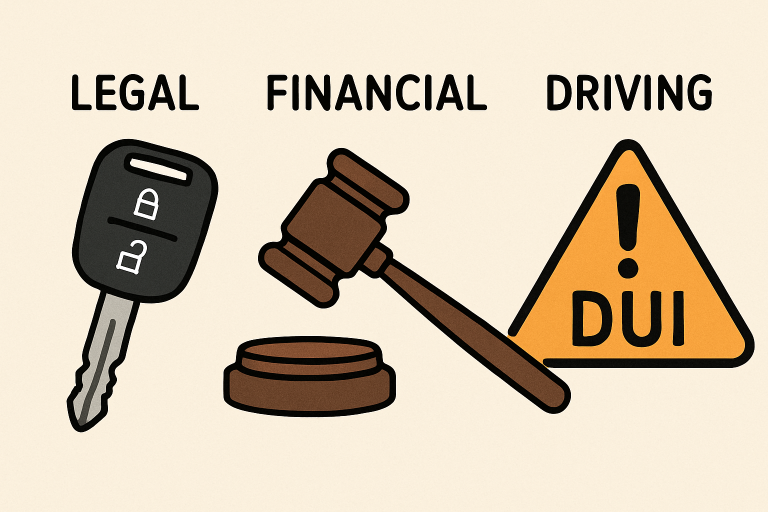
Long-Term Consequences
Beyond official penalties, a DUI conviction can have life-altering effects. These consequences often persist for years after the legal matters end and can even reshape a person’s social standing and future opportunities. Notable long-term consequences include:
- Employment Challenges: Many employers routinely check criminal records, and a DUI conviction may disqualify applicants from certain jobs, especially those involving driving or public safety. Professional licenses and certifications can also be jeopardized by a DUI record.
- Higher Insurance Costs: Insurers consider drivers with a DUI on their record to be high-risk. This can result in higher premiums or even outright coverage denial. Rates may remain elevated for years after the conviction, sometimes doubling or tripling depending on the insurer’s policies.
- Relationship Strain: The consequences of a DUI extend to personal life as well. Reputational stigma and strained relationships can occur, particularly if the incident was public or endangered others.
Mandatory Ignition Interlock Devices (IIDs)
States are increasingly turning to technology to reduce recidivism among DUI offenders. Ignition interlock devices (IIDs) are now mandatory in many jurisdictions. These breathalyzer-type tools prevent a vehicle from starting if the driver has alcohol in their system, providing real-time monitoring and emphasizing accountability. In New Jersey and several other states, even first-time offenders with higher BAC levels must install an IID for a minimum period after license reinstatement, signaling a nationwide shift toward stricter DUI enforcement and compliance monitoring.
Recent Legislative Changes
Legislative changes in DUI law have been swift and significant in recent years. Examples include stricter supervision for repeat offenses and lowering the BAC threshold for automatic penalties. In Washington, starting in 2026, anyone with three or more prior impaired driving convictions within 15 years faces automatic felony charges if convicted of another DUI. These stiffer punishments reflect a growing trend toward zero-tolerance policies and broad use of technology in enforcement and compliance monitoring.
Mitigating the Impact of a DUI Conviction
While the legal system is unforgiving, there are ways to minimize the damage of a DUI conviction:
- Legal Representation: Retaining a knowledgeable attorney is essential. An experienced lawyer may help reduce charges, negotiate lighter sentences, or even get some charges dismissed if the proper procedure was not followed during arrest or testing.
- Rehabilitation and Education: Participation in alcohol education or treatment programs not only demonstrates accountability but can sometimes lessen penalties or encourage judges to offer alternatives to jail time.
- Strict Compliance: Fulfilling all court-mandated requirements, from community service to IID installation, is critical to regaining lost driving privileges and demonstrating that one takes the matter seriously.
Conclusion
The consequences of a DUI conviction extend well beyond a court date and a fine. Understanding current laws, emerging enforcement trends, and the wide-ranging impacts on one’s future is vital. By taking DUI charges seriously and making informed choices, drivers can help protect their rights, their futures, and the community’s safety.