Efficient warehouse operations are essential to the success of modern logistics and supply chains. One of the cornerstone elements enabling this efficiency is the use of safe material handling equipment. By prioritizing tools such as hand pallet truck, warehouses can streamline workflows, reduce operational downtime, and, most importantly, create a safer environment for their workforce. Although productivity is often the primary focus, neglecting safety can lead to costly injuries and frequent disruptions. Preventing workplace accidents not only safeguards employees but directly correlates with stronger operational outcomes. When injuries are minimized and workers feel secure, their output is higher, and retention rates often improve. Companies that prioritize implementing safety measures tend to see lower insurance and compensation claims, allowing them to invest more in their people and infrastructure.
Table of Contents
The Importance of Safety in Material Handling
Safety regulations in warehouses are more than formalities, as they are critical to efficiency and sustaining an uninterrupted workflow. According to the Occupational Safety and Health Administration (OSHA), warehouses that adhere to its safety guidelines experience 50 percent fewer workplace injuries than those that do not. Safe practices in material handling also mean fewer lost workdays, which translates to better customer service and business reliability. When safety becomes part of warehouse culture, employees are more likely to follow protocols. Clear signage, regular refresher courses on equipment use, and immediate reporting of hazards further reinforce this culture, leading to a continuous feedback loop of improvement.
Investing in High-Quality Equipment
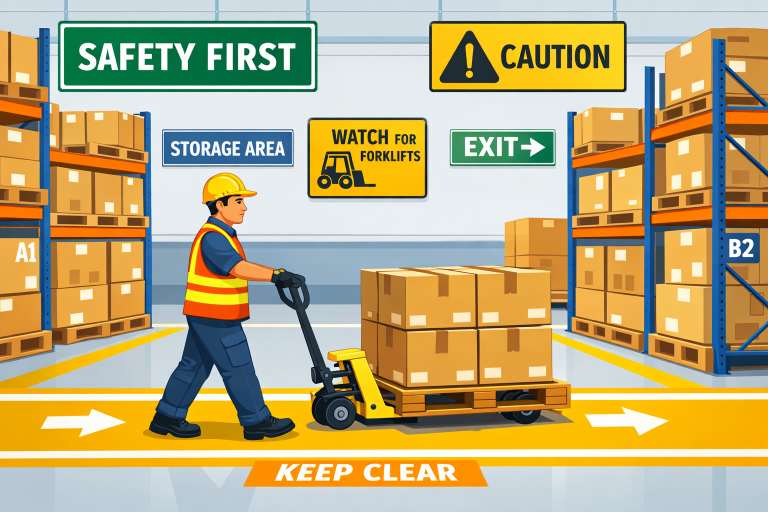
Quality is an investment when selecting material handling tools. Durable, well-designed equipment handles daily stresses more effectively and offers smoother operation compared to cheaper, low-grade alternatives. While initial purchase costs may be higher, this approach actually lowers the total cost of ownership. Systems and tools manufactured to higher safety standards rarely break down, minimizing workflow disruptions and unscheduled maintenance.
Regular Maintenance and Inspections
Even the best equipment needs routine maintenance and periodic inspections to function reliably. Scheduled servicing detects issues before they become hazards, ensuring smooth operations and adherence to safety standards. Maintenance logs and inspection checklists can help managers track service intervals and quickly address wear and tear that naturally occurs with daily use. Ignoring regular care can result in catastrophic failures, unplanned downtime, and higher injury rates among operators. A systematic approach to equipment care preserves operational efficiency and prolongs the life of an organization’s equipment inventory.
Training and Education
No matter how advanced or safe equipment is, human error remains a significant risk factor. Proper training and ongoing education for employees can substantially reduce incidents caused by misuse or negligence. Training should cover proper lifting techniques, equipment handling protocols, emergency procedures, and awareness of new technologies introduced onto the warehouse floor. Fostering a learning culture instills confidence, mitigates workplace risks, and allows team members to operate at peak efficiency. Frequent refresher sessions ensure that safety and efficiency standards are always top of mind.
Implementing Ergonomic Solutions
Warehouse tasks are physically demanding. Ergonomically designed equipment, such as adjustable pallet trucks or user-friendly lift handles, can reduce strain and injury risk. When equipment adapts to workers, rather than the other way around, absenteeism drops, morale improves, and productivity climbs. Prioritizing ergonomics leads to happier, healthier employees and minimizes costly compensation claims for repetitive stress injuries. These preventative measures are now considered best practice in progressive warehouse management.
Utilizing Technology and Automation
Technology and automation are transforming material handling safety and efficiency. Innovations like autonomous forklifts and automated storage systems are revolutionizing the traditional approach to warehouse logistics. These smart machines can work long hours, minimize human error, and further reduce the risk of workplace accidents. A recent study indicates that autonomous forklifts already operate at levels close to human efficiency, providing a practical pathway to safer operations. Artificial intelligence, predictive analytics, and Internet of Things (IoT) sensors can optimize routes, monitor equipment condition in real-time, and forecast maintenance needs. Adopting these technological advancements allows warehouses to create more agile, scalable, and responsive environments.
Conclusion
Safe and efficient material handling starts with prioritizing the right equipment, maintaining it diligently, and fostering a culture of continuous training and innovation. By embracing these principles and utilizing quality tools such as the hand pallet truck, businesses protect their most valuable assets: their workforce and reputation. Adopting technological solutions and ergonomic practices further ensures that warehouses are prepared to meet the challenges of a rapidly evolving industry, driving sustained operational excellence.