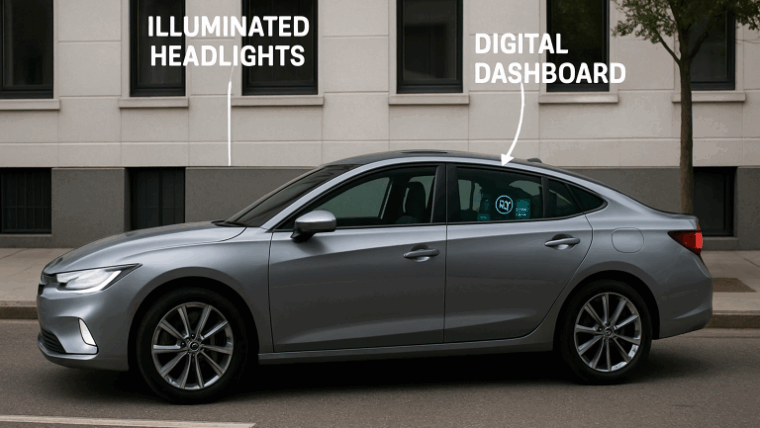
The right 2026 vehicle is not necessarily the biggest, quickest, or most heavily equipped option. It is the one that makes ordinary weekdays easier while still supporting the people, gear, and plans that matter most. Before comparing trims or colors, shoppers can learn more about available vehicle options and focus on how each choice fits real life.
A compact commuter, a growing family, and a weekend adventurer can all have very different priorities. Looking at your normal driving routine, passenger needs, cargo demands, powertrain preferences, and long-term costs creates a much clearer path to a confident purchase.
Table of Contents
- 1 Start With Your Real Driving Routine
- 2 Choose the Right Body Style
- 3 Compare Gas, Hybrid, Plug-In Hybrid, and Electric Powertrains
- 4 Check Passenger and Cargo Space
- 5 Look Beyond Basic Safety Features
- 6 Calculate the Full Cost of Ownership
- 7 Use the Test Drive as a Practical Test
- 8 Avoid Common Vehicle-Buying Mistakes
- 9 Use a Simple Vehicle Checklist
- 10 Common Questions
- 11 Conclusion
Start With Your Real Driving Routine
Begin with the week you actually live, not the one you imagine using a few times each year. Write down weekly mileage, the length of your typical trips, how often you sit in traffic, where the vehicle is parked, and whether you have dependable access to home charging. Also consider regular passengers, pets, child seats, work equipment, groceries, and the items that tend to stay in the cargo area.
For example, a solo driver with a long highway commute may prioritize ride comfort, efficiency, and easy parking. A family that spends weekends at tournaments, airports, campsites, or home-improvement stores may need flexible seating, a wide cargo opening, and room for bulky gear.
Choose the Right Body Style
Body style affects how a vehicle handles daily tasks. Each category has strengths, but the best fit depends on how often you will use those strengths.
Compact Cars and Sedans
- Compact cars are often easy to maneuver in dense parking lots and city streets.
- Sedans can provide a composed highway ride, comfortable front seating, and a lower step-in height.
- Both may be practical for commuters, although rear-seat and cargo space can be limited compared with larger vehicles.
Crossovers and SUVs
- Crossovers and SUVs commonly offer a higher seating position and flexible cargo areas.
- Three-row models can help families who regularly carry more passengers.
- Larger size can mean higher fuel, insurance, tire, and purchase costs, so avoid paying for capacity you rarely use.
Pickup Trucks
- Trucks can be useful for towing, hauling supplies, and supporting active hobbies.
- Bed length, payload rating, and towing equipment matter more than the truck’s overall appearance.
- A large truck may be less convenient if most trips involve short errands, tight garages, or crowded parking areas.
Compare Gas, Hybrid, Plug-In Hybrid, and Electric Powertrains
Powertrain choice should match your route and refueling or charging habits. Gasoline vehicles offer familiar refueling and straightforward long-distance flexibility. Hybrids can suit drivers who frequently encounter stop-and-go traffic or cover substantial annual mileage. Plug-in hybrids can make sense for people who can charge routinely but still want a gasoline engine for longer trips. Electric vehicles are often easiest to live with when home charging and predictable daily travel are available.

- Gasoline: Consider fuel use, engine size, and routine maintenance needs.
- Hybrid: Compare the added purchase cost with likely fuel savings over your ownership period.
- Plug-in hybrid: Check electric-only range and be honest about whether charging will become part of your routine.
- Electric: Review charging time, winter and highway range expectations, local electricity costs, and road-trip charging access.
Rather than relying on marketing claims alone, use official efficiency estimates to compare energy use and projected fuel costs across similar vehicles.
Check Passenger and Cargo Space
Seat count does not tell the full story. A vehicle may technically seat five or seven people while still feeling cramped with tall adults, rear-facing child seats, or full luggage. Check front-seat comfort for the tallest regular passenger, rear legroom, second-row access, cargo room behind each row, and the width and height of the loading opening.
Bring a folded stroller, sports bag, pet crate, cooler, or work tote when possible. Testing your real items can reveal whether the cargo floor is useful, whether rear seats fold easily, and whether the liftgate or truck bed is practical for everyday loading.
Look Beyond Basic Safety Features
Many modern vehicles offer automatic emergency braking, blind-spot alerts, lane-centering support, rear cross-traffic alerts, and adaptive cruise control. However, availability can vary by trim level, package, and body style. Confirm that your must-have features are included on the exact vehicle you are considering.
It is also wise to review independent crashworthiness and crash-avoidance results before narrowing your list. During the test drive, assess outward visibility, headlight performance, camera clarity, control placement, and whether safety alerts are helpful rather than distracting.
Calculate the Full Cost of Ownership
The monthly payment is only one part of the budget. Create a three-year estimate that includes insurance, fuel or charging, maintenance, tires, registration, expected resale value, and potential repairs after warranty coverage ends. A higher-priced vehicle can still be the better value if it replaces the need for a second vehicle or meaningfully lowers operating costs.
Use the Test Drive as a Practical Test
- Adjust the seat, steering wheel, mirrors, and climate controls.
- Check sightlines from the driver’s seat and rear seats.
- Practice parking, turning, braking, and highway merging.
- Listen for road and wind noise at different speeds.
- Try the infotainment system without taking attention away from the road.
- Fold seats, inspect storage areas, and load typical items.
- Ask about warranty coverage, service intervals, and charging equipment if applicable.
Avoid Common Vehicle-Buying Mistakes
- Choosing based only on a low monthly payment.
- Buying more towing or passenger capacity than you will realistically use.
- Assuming every trim includes the same safety technology.
- Ignoring garage dimensions, parking conditions, and tire costs.
- Skipping a test drive with regular passengers or everyday cargo.
- Choosing an electric vehicle without a reliable charging plan.
Use a Simple Vehicle Checklist
- Daily use: Commute, errands, school runs, or work travel.
- Passengers: Adults, children, car seats, pets, and frequent guests.
- Cargo: Groceries, luggage, sports equipment, tools, or outdoor gear.
- Powertrain: Gas, hybrid, plug-in hybrid, or electric.
- Safety: Required driver-assistance features and independent ratings.
- Budget: Full monthly and long-term ownership costs.
- Future plans: Family changes, relocation, travel, or new hobbies.
Common Questions
Should a Daily Commuter Be a Car or an SUV?
Either can work well. Cars may favor easy parking and efficiency, while SUVs can offer more flexible cargo room and a higher seating position.
Is a Hybrid Worth It for Short Trips?
It depends on purchase price, annual mileage, local fuel costs, and how long you expect to keep the vehicle. Compare total ownership costs, not just fuel economy.
Do Drivers Need All-Wheel Drive?
All-wheel drive can help in certain conditions, but it does not replace careful driving or appropriate tires. Consider local weather, road conditions, and the added cost.
Conclusion
Choosing a 2026 vehicle is easier when the decision starts with your actual routine. Compare comfort, space, safety, powertrain needs, and ownership costs before focusing on extras. The strongest choice will handle the daily commute smoothly, fit the people and gear you carry most often, and remain useful when weekend plans change.