Hailstorms can strike unexpectedly, causing instant and widespread damage to vehicles. Car owners in hail-prone regions know that dents, smashed windshields, and chipped paint can become costly headaches after a storm. In this landscape, finding effective solutions is crucial to preserving your car’s value and safety. For those dealing with severe hail damage, connecting with trusted specialists in your area such as expert hail damage repair Calgary can help restore your vehicle quickly and efficiently.
Understanding the impact of hail damage and proactively addressing repairs and protection can make a significant difference. The latest repair advancements offer car owners more options than ever before. By recognizing the risks, evaluating repair costs, exploring advanced techniques, and implementing preventive strategies, you can guard against future threats and manage the aftermath of hailstorms more smoothly.
Table of Contents
The Rising Incidence of Hail Damage
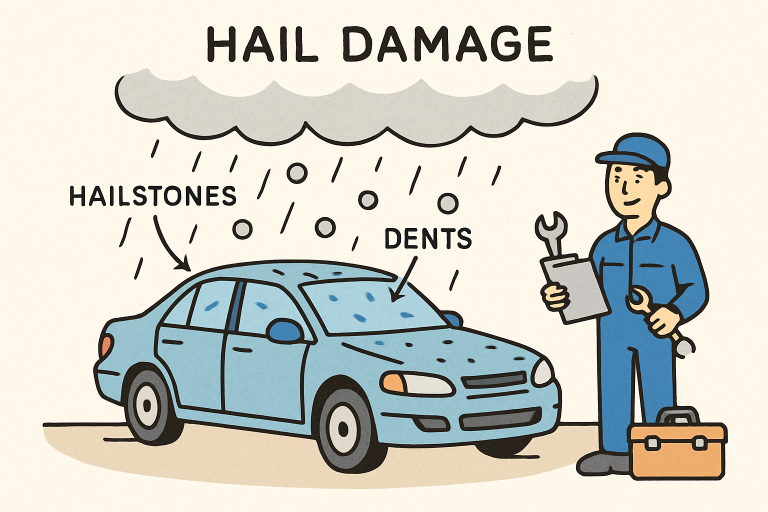
Recent weather trends have increased the frequency and severity of hailstorms, especially across central North America. In 2024 alone, the U.S. experienced 5,373 hail events, with loss costs continuing their upward trend, sitting 19% above the seven-year average. This uptick in hailstorm activity and claim rates signals a growing challenge for drivers everywhere.
Financial Implications for Car Owners
The out-of-pocket fallout from hail damage can be steep. Repair costs for hail-damaged vehicles now run about 15 percent higher compared to three years ago. Because hail hits multiple surfaces at once, the average insurance claim for hail repairs is roughly 22 percent larger than other comprehensive claims. This financial pressure becomes even more acute for owners with high deductibles or minimal insurance coverage. When considering the long-term impact on vehicle resale values, particularly after traditional repairs that require repainting, the economic consequences become even clearer.
Immediate Steps After Hail Damage
Responding quickly after a hailstorm is essential. Start by thoroughly inspecting your car for common signs of damage, such as dents, broken or chipped glass, and paint damage. Document all the evidence with clear photos and videos. This documentation is vital when starting an insurance claim and for repair shop consultations. Safety is another immediate concern; if the windshield or windows are cracked, avoid driving until repairs are completed. Protecting the interior from water damage is also critical, especially if windows have been shattered.
Traditional Repair Methods
Conventional methods for fixing hail damage usually involve pulling dents, filling deep depressions, and repainting the affected areas. These fixes are tried and true, but can be time-consuming and relatively expensive. Another drawback is that repainting portions of the car often means losing some of the original finish, which can diminish the overall resale value. Traditional approaches are sometimes the only choice for severe or complex damage, but may not be ideal for all situations.
Advancements in Hail Damage Repair
Paintless Dent Repair (PDR) represents a major leap forward in hail-damage restoration. This technique leverages specialized tools to massage dents out from the underside of body panels. Because it preserves the original paint, PDR maintains the vehicle’s appearance and resale value. This method is typically less invasive and faster than traditional repair options. Many insurance companies now prefer or require PDR when applicable, due to its lower cost and minimal impact on the vehicle’s structure. For minor to moderate hail damage, PDR often delivers excellent results with no visible signs of repair.
Preventive Measures to Protect Your Vehicle
There are several strategies for minimizing the risk of hail damage:
- Seek Covered Parking: Use garages and carports whenever available. Even a temporary shelter can deflect the worst of a storm’s impact.
- Invest in Hail Covers: High-quality hail covers or car blankets are designed to cushion blows and prevent dents. These are especially helpful if you regularly park outside.
- Follow Weather Alerts: Stay informed by regularly checking weather updates, especially during seasons with a high risk of hailstorms. Proactive awareness lets you move your vehicle to safety before a storm hits. For additional prevention tips, the U.S. National Weather Service offers a helpful resource on preparing for severe weather:
Insurance Considerations
Comprehensive insurance policies generally include coverage for hail damage, but it is important to review your policy details. Key factors to consider include deductibles, exclusions, and how a claim could impact your future premiums. Consulting with your insurance agent ahead of storm season can clarify your responsibilities and help you make informed decisions.
Conclusion
Hailstorms remain an unpredictable and costly hazard for vehicle owners everywhere. With weather patterns changing and storms becoming more severe, understanding the risks and taking effective preventive action is more important than ever. Document all damage promptly, consider modern repair techniques such as Paintless Dent Repair, and keep your insurance details up to date. These steps will help you minimize stress, protect your automotive investment, and recover quickly whenever hail strikes.