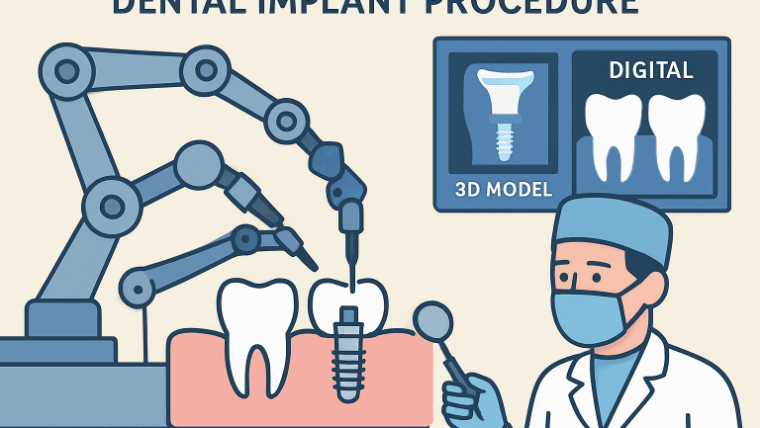
Dental implants have become a reliable solution for replacing missing teeth, offering both functionality and a natural appearance. However, successful implantation often relies on the strength and integrity of the jawbone and surrounding gum tissue. When bone density is insufficient or the gums have receded, procedures such as bone and gum grafting can provide the foundation needed to support implants. These techniques not only help stabilize the implant but also enhance long-term oral health by preventing further bone loss and maintaining the natural contour of the jaw and gums.
Patients considering these procedures may work with specialized clinics, such as Elk Grove, CA dental implant center, where comprehensive assessments determine the most appropriate grafting approach. Bone and gum grafts can vary from simple tissue additions to more complex bone reconstruction, tailored to each patient’s unique anatomy. By addressing these structural needs before implant placement, individuals can achieve stronger, longer-lasting results while minimizing the risk of complications, ensuring their dental restoration remains both functional and aesthetically pleasing.
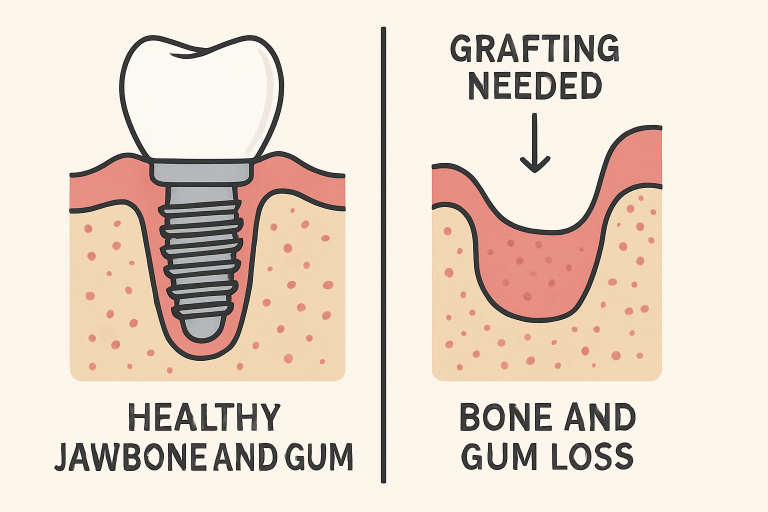
Table of Contents
The Importance of Bone Grafting for Implants
When a tooth is lost due to decay, injury, or extraction, the supporting jawbone slowly deteriorates because it is no longer stimulated by chewing forces. Over time, this bone loss can make it difficult to place dental implants, as implants require a certain amount of bone volume to be securely anchored. Bone grafting compensates for this by introducing new bone material to the site, stimulating natural bone regeneration, and creating a solid, stable anchor point for implants.
Without bone grafting, some patients would not be candidates for implants. Successful bone regeneration improves the structural integrity of the mouth, prevents further bone loss, and offers a lasting result for implant-supported restorations.
Types of Bone Grafts
Several distinct types of bone grafts address a variety of dental needs:
- Autografts: Bone is taken from a patient’s own body, such as the hip or back of the jaw. Because the tissue is derived from the patient, it integrates well and poses minimal risk of rejection.
- Allografts: Donor bone sourced from tissue banks is processed and sterilized to ensure safety. Allografts provide a good alternative for those who want to avoid a second surgical site.
- Xenografts: Often made from bovine (cow) bone, they are processed to remove all foreign proteins, leaving only the mineral structure. This provides a natural scaffold for the patient’s own bone to grow into.
- Alloplasts: Advances in synthetic materials have led to safe, biocompatible bone substitutes. Alloplasts can reduce complications and enable highly controlled grafting in cases where organic material is unsuitable.
The choice of grafting approach depends on the amount of bone needed, the patient’s health, tolerance for additional procedures, and the specific requirements of their implant case. This personalized approach helps maximize the chances of implant success.
Gum Grafting: Protecting and Enhancing Soft Tissue
Healthy gum tissue is just as crucial as solid bone for lasting dental implants. Gums that have receded or are too thin expose not only the bone but also the underlying metal of the implant, increasing the risk of infection and aesthetic concerns. Gum grafting involves moving gum tissue, often from the patient’s own palate or using donor tissue, to thicken and reinforce the area around an implant.
Beyond shielding the implant, gum grafting provides a seamless, natural look and supports the health of surrounding teeth. It also reduces sensitivity, protects exposed roots, and helps prevent further tissue loss.
What to Expect: Procedure and Recovery
Grafting Steps
- The dental professional numbs the area with local anesthesia.
- The recipient site is cleaned and carefully prepared.
- Graft material is placed in the target area and covered with a membrane (when needed) to guide healing.
- Sutures finish the procedure, securing the site as the graft integrates with natural tissue.
Recovery Timeline
Initial recovery typically takes between one and two weeks, with most patients returning to light activity within a day or two. Complete integration of bone or gum graft material requires several months, as the body gradually accepts and remodels the tissue. During this period, following aftercare instructions, including avoiding certain foods, taking prescribed medication, and attending follow-up appointments, is essential for success.
Innovations and Advanced Grafting Techniques
Recent innovations have dramatically improved both the predictability and comfort of grafting procedures. Techniques such as Platelet-Rich Plasma (PRP) therapy use concentrated factors from the patient’s blood to accelerate tissue healing. Likewise, new synthetic grafting materials have expanded the potential for minimally invasive surgery, reducing the risk of immune reactions and allowing those with limited donor sites to receive care.
Understanding Outcomes: Success Rates and Considerations
Grafting techniques used by skilled professionals have high success rates, especially when patients follow recovery instructions closely. Chronic conditions like diabetes, tobacco use, and poor oral hygiene can all impact results, so it’s crucial to discuss these during treatment planning.
By evaluating your individual risk factors and working closely with your dental provider, you can optimize your chances for excellent implant outcomes, regardless of starting bone or gum health.
Conclusion
Bone and gum grafting have rapidly evolved, providing a broader range of candidates with hope for successful dental implants. By building a healthy foundation through these essential procedures, patients can restore function, appearance, and confidence. Proper guidance, personalized care, and access to the right technology make thriving with dental implants possible for nearly anyone who needs them.