The employment landscape is shifting as organizations face new challenges in sourcing and managing talent. With evolving expectations, economic pressures, and the rapid pace of technological advancement, traditional hiring practices are giving way to more adaptive strategies. Modern employers are leveraging a dashboard for recruitment to streamline sourcing and enhance candidate engagement.
These new approaches are driven not just by necessity but also by opportunity. Companies are reimagining the recruitment journey to attract top talent, reduce hiring bias, and better align with future workforce needs. As the labor market becomes more competitive, embracing these modern hiring practices will be essential for long-term organizational success. In this article, we’ll explore how new tools, technologies, and philosophies are transforming hiring in innovative ways.
Table of Contents
Artificial Intelligence in Recruitment
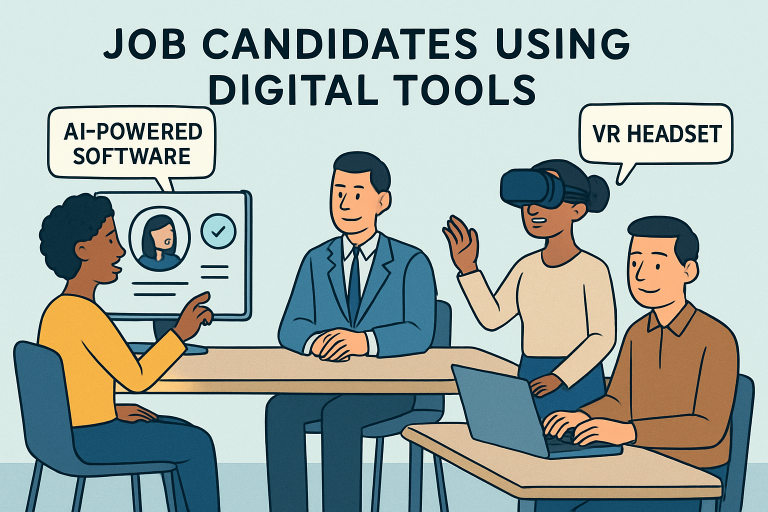
Advancements in Artificial Intelligence are drastically improving the efficiency and effectiveness of recruitment processes. Organizations are automating repetitive tasks such as resume screening and initial candidate assessments, freeing up HR teams to focus on more strategic initiatives. AI-enabled systems analyze large datasets, filter applicants based on qualifications and skills, and even predict candidates’ potential job performance. These technologies not only shorten time-to-hire but also improve matching accuracy, helping firms identify talent that truly fits the position.
Nevertheless, there are important safeguards to consider. To avoid perpetuating bias, employers must rigorously test and monitor AI tools to ensure equitable and inclusive outcomes. Transparent algorithms and regular audits are essential for maintaining fairness in recruitment practices.
Emphasis on Skills-Based Hiring
The shift from traditional qualifications to practical skills favors competencies like specific technical or creative abilities over formal degrees. This broadens hiring pools and addresses skills gaps in growth sectors. Custom assessments and project evaluations enable candidates to demonstrate relevant abilities. Leading firms see skills as more important than pedigree for performance and adaptability, supporting diversity by including nontraditional candidates with experience outside formal education.
Evolution of Diversity, Equity, and Inclusion Initiatives
Diversity, Equity, and Inclusion programs are moving beyond compliance to become fundamental pillars of modern workforce strategies. Employers are implementing innovative practices such as blind resume screenings, structured interviews, and standardized evaluation frameworks. By minimizing the influence of personal identifiers and subjective judgment, these methods can help mitigate unconscious bias and foster truly diverse teams.
Additionally, companies are investing in ongoing training and education for hiring managers and leadership, emphasizing inclusive behaviors and accountability. Building a culture of belonging requires continuous effort, feedback, and adjustment. Positive outcomes extend beyond recruitment to employee satisfaction, retention, and overall company reputation.
Virtual Reality for Job Previews and Assessments
Virtual Reality is beginning to revolutionize how organizations conduct job previews and candidate assessments. VR simulations provide applicants with immersive experiences where they can demonstrate practical skills in realistic, job-related scenarios. For hiring professionals, this technology helps gauge candidates’ competencies in authentic working conditions and offers engaging previews of day-to-day responsibilities.
This approach benefits both employers, who gain valuable insight into candidate aptitude, and applicants, who get a more accurate sense of job expectations. Moreover, VR-based assessments can be standardized, further reducing bias and improving fairness.
Apprenticeship Programs Bridging the Skills Gap
Amid evolving workforce needs, apprenticeship programs are gaining significant momentum. These hands-on learning experiences offer individuals a pathway into skilled professions without the burden of traditional higher education costs. Apprentices benefit from earning a salary while learning, and employers can develop talent tailored to their operational needs. These programs bridge the gap between academic theory and practical application, especially in industries facing acute talent shortages.
Modern apprenticeship initiatives also target populations underrepresented in traditional education and employment pipelines, supporting broader DEI goals. By partnering with educational institutions, industry associations, and local communities, businesses are paving the way for long-term workforce sustainability and economic mobility.
Conclusion
The future of hiring is being shaped by transformative technologies, evolving talent philosophies, and a commitment to inclusive excellence. Organizations that adopt AI, prioritize skills-based hiring, champion robust DEI programs, explore immersive VR assessments, and invest in apprenticeships are better positioned to thrive in today’s dynamic labor market. Embracing these strategies allows businesses to build high-performing, future-ready teams equipped to tackle tomorrow’s challenges and opportunities.