Businesses today are pressured to do more with less, pushing them to explore solutions that drive efficiency, accuracy, and increased revenue. One impactful approach is deploying automation tools throughout sales operations. With sales automation transforming the way sales professionals work, companies are now witnessing a fundamental shift in productivity and engagement. These tools replace repetitive manual tasks, allowing teams to focus on strategy and relationship building rather than data entry and routine follow-ups.
Integrating automation into your sales process not only saves valuable time but also helps teams avoid costly errors and deliver a more tailored experience for customers. Companies adopting these solutions often see a boost in revenue as automation ensures no lead is forgotten, communications remain consistent, and the pipeline is always moving forward. Businesses can choose from a variety of automation options, with tools available to fit unique workflows, industry needs, and integration requirements.
The benefits of these platforms do not end at time savings. Sales automation paves the way for more sophisticated and meaningful customer interactions, using data-driven insights to personalize outreach. This results in higher satisfaction and long-term loyalty, both crucial to business growth. Moreover, managers gain a clearer view of the sales funnel, making it easier to forecast and allocate resources where they are most needed.
After the initial setup and proper training, automation tools turn daunting sales tasks into smooth, error-free processes. For teams looking to remain competitive and agile in a crowded marketplace, evolving from outdated manual workflows to automated systems is a necessity.
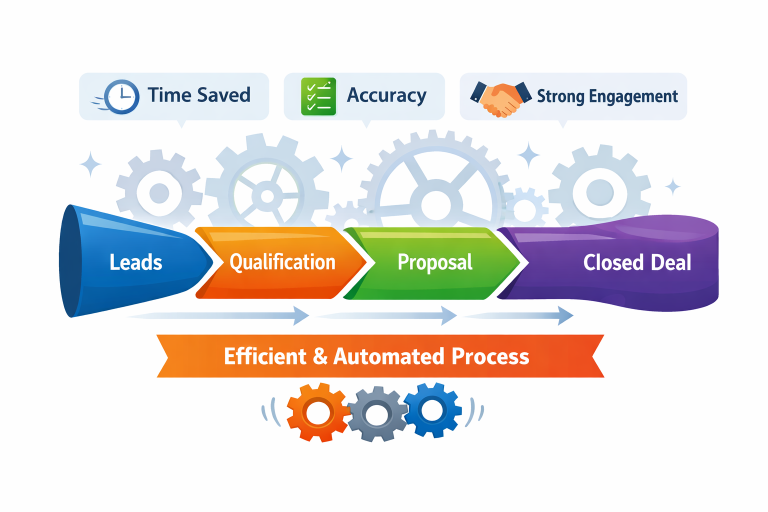
Table of Contents
Introduction
Sales automation means leveraging technology to handle repeatable sales activities, freeing up team members to focus on strategic selling and customer relationships. The rise of automation tools in sales comes as a response to the demand for higher efficiency and more impactful engagement, helping teams guide prospects seamlessly from initial contact to final close.
Benefits of Sales Automation
There are several measurable benefits to incorporating automation into the sales process:
- Increased Productivity: Teams spend less time on administrative work, instead dedicating their efforts to acquiring and nurturing leads.
- Enhanced Accuracy: Automated workflows minimize errors in data management and order handling, improving the overall quality of sales operations.
- Improved Customer Engagement: Automation ensures timely, relevant outreach, which makes customers feel valued and well-served.
Recent studies have found that sales automation can drive substantial growth when deployed correctly, supporting sales teams with tools that streamline daily activities and eliminate redundancies (Forbes).
Top Sales Automation Tools
Several powerful sales automation platforms are leading the market:
- WINN.AI: This tool automates note-taking, CRM updates, and follow-up communications, clearing the way for more high-value customer interactions.
- Triggr: Triggr excels by providing real-time sales notifications, such as key website activities, helping teams identify and prioritize hot leads quickly.
- Sybill: Sybill uses advanced AI to automate meeting summaries and CRM updates, ensuring sales reps always have actionable insights and timely follow-ups.
Each of these platforms brings unique strengths, so it is essential to match your choice with your company’s workflows and existing technology stack. Selecting the right tool can empower your team and increase your sales velocity significantly.
Implementing Automation in Your Sales Process
The transition to sales automation can be a smooth and rewarding journey if approached strategically. Here are the key steps for successful integration:
- Assess Your Needs: Map out existing sales activities and identify tasks that eat up time without directly contributing to growth.
- Choose the Right Tools: Align tool selection with your objectives, ensuring seamless integration with your CRM and other platforms.
- Train Your Team: Invest in hands-on training sessions to build team confidence and maximize tool adoption.
- Monitor and Optimize: Track performance metrics, collect feedback, and fine-tune workflows to capture the full value of automation.
Following these steps helps ensure adoption and gives teams the support they need to thrive in a technology-driven selling environment.
Real-World Examples
Sales automation is delivering real, measurable results across industries. For example, one assessment using the automation platform n8n showed execution time on routine workflow tasks dropping from 185.35 seconds manually to just 1.23 seconds with automation. Such dramatic improvements underscore the value low-code platforms bring in not only streamlining tasks but also enabling greater sales throughput and efficiency.
Organizations in fields from B2B tech to retail have reported similar outcomes, with higher conversion rates, shorter sales cycles, and more reliable data capture driving ROI.
Challenges and Considerations
Although sales automation offers tangible rewards, some challenges must be managed:
- Over-Automation: Too much automation risks dehumanizing customer interactions. Always maintain a balance to preserve the personal touch.
- Implementation Costs: Upfront investments in software and training can be considerable, but typically, the long-term gains justify the spend.
- Data Security: Any tool handling customer information must adhere to stringent data privacy and protection standards.
Careful planning and proactive management are required to prevent common pitfalls and maximize benefits.
Conclusion
Sales automation tools are not just a nice-to-have but a necessity for companies competing in rapid markets. They help teams cut through repetitive tasks, boost accuracy, and deliver better customer interactions, all while improving bottom-line results. By thoughtfully selecting, implementing, and optimizing these tools, companies can position themselves for sustained growth and ongoing sales success.