Building a truly timeless home is the result of more than appealing finishes or fast-changing styles. Instead, it’s about thoughtful design that blends practicality with enduring beauty and comfort. Homeowners and prospective buyers today increasingly desire spaces that remain relevant for decades, making functionality and lasting appeal crucial considerations for their decisions. Choosing a designer deeply attuned to these qualities, like the Architects in Ardmore, PA, can make the difference between a fleeting trend and a cherished family home.
Timeless homes are a testament to deliberate planning, rather than impulsive decision-making. They incorporate a balance of flow and proportion, harness natural light, and integrate features that foster lasting connection and well-being. Smart design doesn’t forsake individuality; it empowers homeowners to shape their environments in ways that truly reflect their identity and needs, all while keeping an eye toward longevity and adaptability. Most timeless homes share a foundation of universal design principles. While architectural trends evolve and materials adapt to new technology, the core concepts that create inviting, adaptable residences rarely change. These homes don’t just weather the passage of time; they continue to enrich the lives of those who live in them.
Table of Contents
Proportion and Flow
A home’s sense of harmony and calm is often the result of well-considered proportions. Thoughtful layouts help every room feel well-sized and welcoming, while hallways and passageways offer connection rather than dead spaces. Flow isn’t just a technical term; it’s about ensuring that daily movement feels logical and unforced, supporting both solitude and social gathering. Good proportion never goes out of style; it’s as practical for a bustling family as it is for a couple seeking sanctuary.
Natural Light
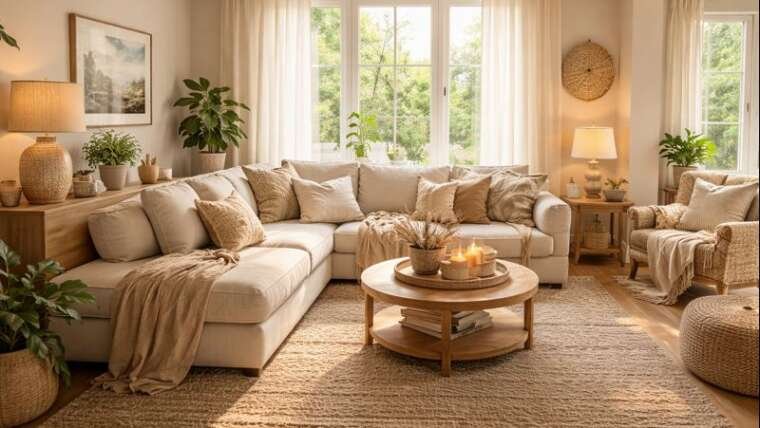
Natural daylight is essential to any lasting home design. Generously sized windows and open sightlines amplify the feeling of space, brightening interiors and contributing to residents’ well-being. This emphasis on light isn’t just about aesthetics; it also improves a building’s energy efficiency by reducing its reliance on artificial lighting. A bright, sun-filled interior is universally appealing and creates an uplifting atmosphere year-round.
The placement of these windows is just as important as their size. Many people choose to add glass structures to their ceilings to bring in even more sun from above. This method works well in kitchens or extensions where wall space is limited. Professional Roof Lantern installers help homeowners find the best spots for these installations. These additions change how a room feels throughout the day. They make a space feel larger and more open without any change to the house footprint.
Functional Simplicity
Resilient design finds beauty in simplicity. Timeless homes are never cluttered by superfluous decor or unnecessarily complicated floor plans. Instead, they focus on elements that enhance daily life, such as intuitive kitchens, restful living spaces, and accessible storage. These choices prioritize liveability over fads. Simplicity, when executed well, brings warmth and a sense of ease, making any home more enjoyable over the long term.
Durable Materials
Material selection carries significant weight in ensuring a home’s lasting appeal. Natural stone, brick, solid wood, and tactile finishes not only develop a patina over time but also withstand the wear and tear of daily use. These materials age gracefully, telling a story without appearing dated or worn out. Durable finishes also mean less frequent renovations, representing a sustainable and cost-effective approach to home building.
Connection to the Outdoors
Modern life demands a meaningful connection to nature. Homes that invite views of the outside or provide easy access to gardens, patios, or balconies are consistently more desirable. These features support a balanced lifestyle, offering tranquil settings for relaxation and socializing. Whether through sweeping glass doors or quiet, covered porches, integrating outdoor living areas helps a home feel rooted to its environment and enriches the daily lives of its residents.
Personalization and Comfort
The most timeless homes are those that allow inhabitants to tell their stories through personalized touches. Flexible layouts, space for meaningful décor or family heirlooms, and deliberately designed “nooks” for relaxation and creativity foster a sense of belonging. Customization doesn’t mean chasing fleeting trends—it’s about aligning the physical space with the personality and values of the people who live there, encouraging a profound sense of comfort and ownership.
- Customizable layouts and unique finishes reflect personal tastes.
- Designing with heirlooms and family memories in mind adds legacy and depth.
- Comfort features—such as cozy seating areas or private retreats—support overall well-being.
Integrating Technology
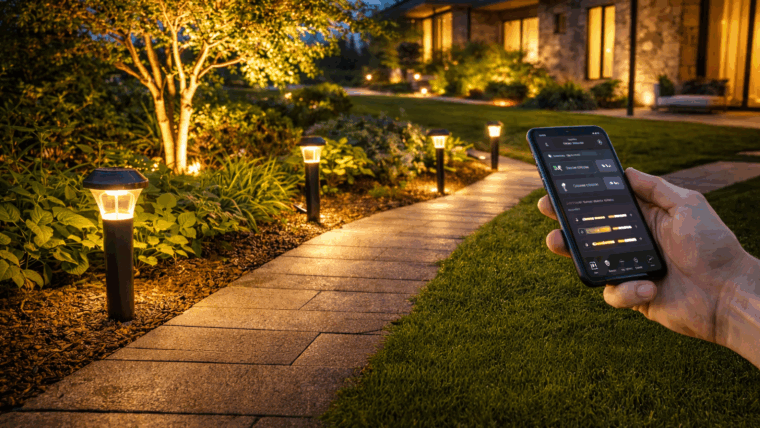
Technology is an inevitable part of contemporary home design, but thoughtful integration is crucial to ensuring it doesn’t disrupt the serenity of a timeless space. Sustainable smart ecosystems can be tailored to adapt quietly to residents’ needs—think automated lighting, hidden entertainment systems, or energy-efficient climate controls. By prioritizing systems that enhance convenience without intrusive presence, designers can create homes that are as forward-thinking as they are classic.
Conclusion
A home’s timelessness isn’t achieved by accident; it’s the result of deliberate attention to proportion, light, simplicity, durable materials, and a lasting relationship to its environment and owners. These principles transcend style, offering homeowners spaces that are both beautiful and functional, filled with meaning for generations to come. Choosing professionals who honor these values is the first step in creating a residence that truly stands the test of time.