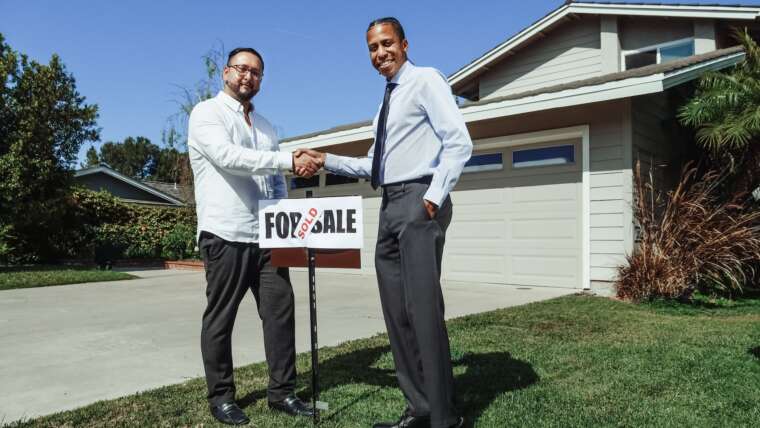
Navigating the complexities of leasing commercial property requires careful planning and strategic decision-making. Business owners and investors face numerous factors, from understanding market trends to evaluating lease terms, that can significantly impact long-term success. Making informed choices not only safeguards financial interests but also positions a company for sustainable growth in competitive markets. Attention to detail in areas such as rental rates, renewal options, and property location can significantly impact operational efficiency and overall profitability.
Engaging with commercial real estate leasing experts can provide valuable insights into local market conditions and industry best practices, enabling both tenants and landlords to make informed decisions. By approaching leasing thoughtfully, businesses can align property choices with their operational goals, mitigate risks, and capitalize on opportunities that may otherwise be overlooked. Strategic planning in this area is essential for fostering stability and long-term success in commercial ventures.
Table of Contents
Leverage Predictive Analytics
The adoption of predictive analytics in commercial leasing is revolutionizing the way property owners approach market entry and manage their portfolios. By mining datasets on urban migration, business growth sectors, and shifting demographics, owners can identify promising locations before they become hotspots. This approach reduces risk and ensures long-term occupancy, while strengthening negotiating positions. Predictive analytics enables landlords to make data-driven choices, anticipate demand, and avoid costly vacancies, keeping properties ahead of market shifts and recession cycles.
Embrace Flexible Lease Terms
Modern tenants expect more than just square footage—they seek flexible arrangements that align with their business goals. Offering adaptable lease terms and customizable workspaces not only expands your target tenant pool but also increases tenant satisfaction. Flexibility enables businesses to scale up or down in response to market demands, enhancing retention and keeping spaces active. Features such as shared amenities, modular office setups, and scalable space options cater to both startups and established companies seeking growth or streamlining opportunities. This responsive strategy makes your commercial property more attractive and resilient, regardless of external shifts.
Invest in Smart Building Technologies
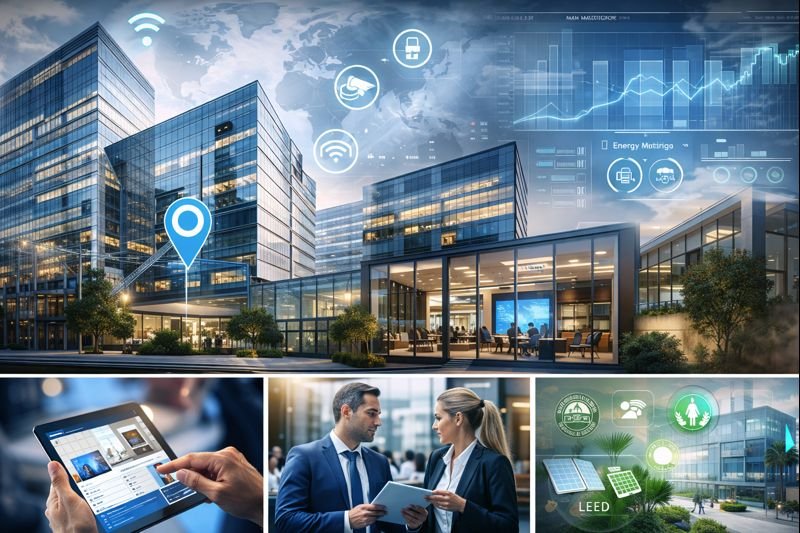
Smart building solutions, including IoT sensors, integrated management systems, and AI-driven maintenance, unlock new levels of efficiency for both owners and tenants. These platforms monitor energy consumption, detect potential equipment failures, and streamline maintenance workflows, which helps lower operational costs and minimizes disruptions. Automation not only prevents costly breakdowns but also provides real-time transparency for tenants, boosting overall satisfaction. Whether updating HVAC systems or enhancing security infrastructure, smart technology future-proofs properties, making them appealing to forward-thinking tenants.
Enhance Tenant Amenities
The role of amenities in commercial leasing has grown exponentially. Beyond traditional office setups, today’s tenants value properties that offer fitness centers, collaborative social spaces, and on-site dining or retail options. These enhancements foster a sense of community and convenience, strengthening tenant loyalty and supporting longer-term leases. Upgrades that create shared value, such as landscaped outdoor areas or conference facilities, differentiate your property from the competition and enhance its appeal. An appealing amenities package not only elevates tenant experiences but also stabilizes your tenant base during market downturns.
Implement AI-Powered Digital Advertising
With the digital transformation of marketing, AI-powered advertising tools are becoming invaluable for property owners aiming to fill vacancies quickly and efficiently. These platforms automate placements and optimize campaigns in real time, ensuring listings reach precisely targeted audiences. AI tools continuously analyze engagement data to refine messaging, increase visibility, and match your space with qualified prospects. This streamlined approach shortens the leasing process and minimizes downtime between contracts.
Focus on Tenant Relationship Management
Strong tenant relationships are a primary driver of renewal rates and long-term financial performance. Prompt communication and proactive response to tenant needs build trust and satisfaction, lowering turnover and associated costs. Implementing dedicated tenant experience platforms or retaining seasoned property managers ensures that issues are resolved quickly. These practices enhance the perceived value of your leases, making tenants less inclined to seek alternatives. In an environment focused on client experience, standing out through exemplary service has become as important as the physical attributes of a property.
Prioritize Sustainability and Resilience
Green building practices and energy-efficient systems are no longer optional; they are expectations for many of today’s tenants. Properties that feature water conservation, efficient lighting, and green certifications appeal to environmentally conscious organizations and meet evolving legal mandates. Sustainable buildings benefit from higher recognition and can command premium rents, while also reducing operational costs. The resilience that comes from these improvements prepares properties to weather regulatory changes and energy market fluctuations over the long term.
Stay Agile in a Dynamic Market
Periodic disruptions, including economic cycles, shifts in work habits, and evolving tenant preferences, characterize the commercial real estate sector. Agility is the ability to adapt to leases, reconfigure spaces creatively, and respond quickly to market shifts. Owners who remain flexible and open to reimagining their portfolios are better positioned to thrive under uncertain circumstances. Utilizing market data, maintaining reserves for upgrades, and planning for contingencies will help sustain profitability and relevance, regardless of how the industry evolves.
Conclusion
Maximizing success in commercial leasing hinges on proactive decision-making and a willingness to innovate. Integrating data analytics, technology, service, and sustainability allows property owners to attract, retain, and nurture high-quality tenants. By continuously refining leasing strategies, your property remains resilient and attractive in a rapidly changing marketplace. The future belongs to those who adapt and invest wisely—ensuring business growth and lasting returns.