Your roof serves as the frontline defense for your home, shielding it from weather and contributing to energy efficiency. Deciding whether to maintain, repair, or fully replace your roof can have a significant impact on your finances and daily comfort. If you’re looking to work with roofers in Cedar Park, TX, weighing the costs and benefits is essential for making a sound decision tailored to your needs and location. Many homeowners find that understanding the specifics of their situation makes a huge difference in long-term expenses, curb appeal, and peace of mind.
Failing to address roof issues promptly can lead to water leaks, mold, and even compromised structural integrity. Meanwhile, unnecessary replacements can stretch your budget without added benefits. Learning how to assess your roof and understand all available options can help you avoid these pitfalls and maintain your home’s value.
Roofing decisions are also about safety, efficiency, and future-proofing your property against unexpected costs. A well-maintained roof can improve indoor comfort, reduce energy costs, and enhance your home’s resale value when the time comes to sell. For many, enlisting the guidance of qualified local contractors is the first step toward a solution that strikes a balance between cost, durability, and home protection.
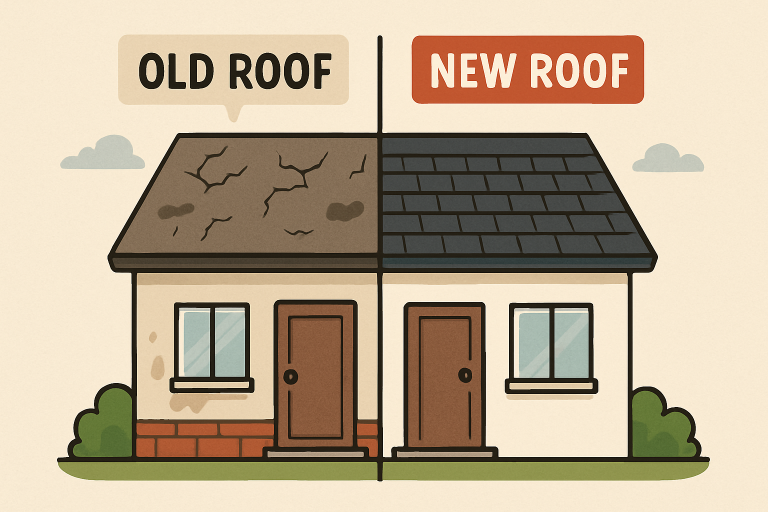
Table of Contents
Assessing the Condition of Your Roof
The lifespan and integrity of your roof largely determine whether maintenance or a full replacement is necessary. Here are some signs to look for:
- Age of the Roof: Most asphalt shingle roofs last approximately 20-25 years; if your roof is older, replacement may be more cost-effective than ongoing repairs.
- Extent of Damage: Isolated problems, such as a few cracked or missing shingles, can usually be easily fixed. Widespread issues, such as extensive water damage or sagging, are often better addressed by replacing the entire structure.
- Frequency of Repairs: If small repairs are becoming a regular occurrence, it’s a sign there might be underlying issues that only a full replacement can resolve.
Performing regular visual checks, especially after major storms or extreme weather, helps catch problems early before they escalate.
Cost Analysis: Repair vs. Replacement
Budget is a primary concern for most homeowners. The average costs for common roofing services vary depending on the type and extent of work required. Minor roof repairs typically range from $500 to $1,500 and are best for addressing small leaks or flashing issues. Moderate repairs, which often involve replacing a partial section of the roof, usually cost between $2,000 and $4,000. Full roof replacements, suitable for aged or failing roofs, generally range from $10,000 to $30,000. Premium roof replacements, using high-end materials such as metal or slate, can cost between $30,000 and $50,000.
While repair costs are significantly lower upfront, recurring repairs can add up over time. If issues occur frequently, a full replacement may ultimately save money and prevent ongoing headaches. A new roof also provides enhanced weather protection and alleviates many maintenance concerns for years to come.
Energy Efficiency Considerations
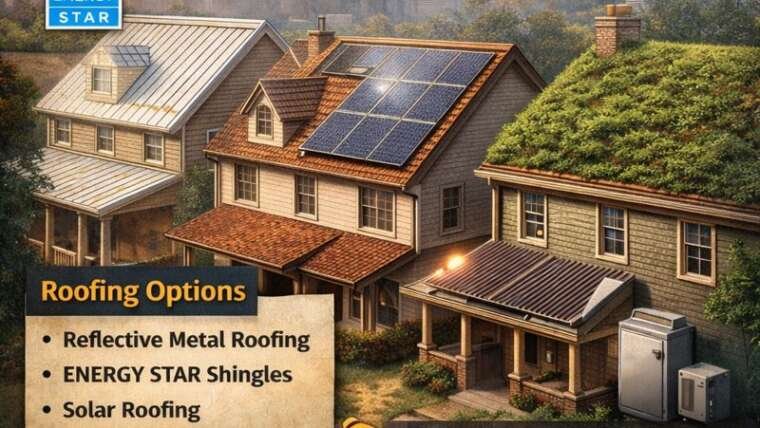
Today’s roofing materials are designed with improved thermal performance and reflectivity, which can translate to substantial savings on utility bills. Options like cool roof shingles and reflective coatings can reduce summer cooling expenses by 10%–15%, making a replacement roof an environmentally and economically friendly decision over time.
Insurance and Warranty Benefits
Replacing an outdated roof may qualify you for reduced homeowners‘ insurance premiums, since new roofs have lower risks of leaks, collapse, and damage. Additionally, new roofs often come with manufacturer warranties that can last from 20 to 50 years, offering security against defects and material failures. These warranties are generally more comprehensive than those for individually repaired sections, and insurance companies prefer the lower-risk profile of updated roofing systems.
Homeowners seeking long-term peace of mind and reduced unexpected costs often find that the added insurance and warranty protections make replacement the most cost-effective option.
Return on Investment (ROI)
Investing in a new roof can boost your home’s resale value. National reports indicate you can recoup roughly 60%–70% of the money spent on a roof replacement through increased property value and higher sale prices. This is particularly relevant for homeowners considering selling in the next few years, as prospective buyers are more attracted to homes with new, durable roofing.
A new roof also enhances aesthetics and curb appeal, creating a positive first impression that can expedite the selling process and justify higher asking prices.
Environmental Impact
Choosing sustainable, energy-efficient roofing materials helps lower a home’s carbon footprint. Modern options, such as reflective shingles, green roofs, or recycled-content products, can reduce energy use, decrease landfill waste, and create a more eco-friendly property.
Making the Right Choice
Ultimately, your decision should be based on your roof’s age, the extent of any damage, your long-term goals, and your available budget. Consulting with trusted local experts will help you strike a balance between immediate needs and long-term value. Whether you choose to repair or replace, investing in your roof’s integrity preserves not just your property, but also your family’s comfort and safety.