Table of Contents
Introduction
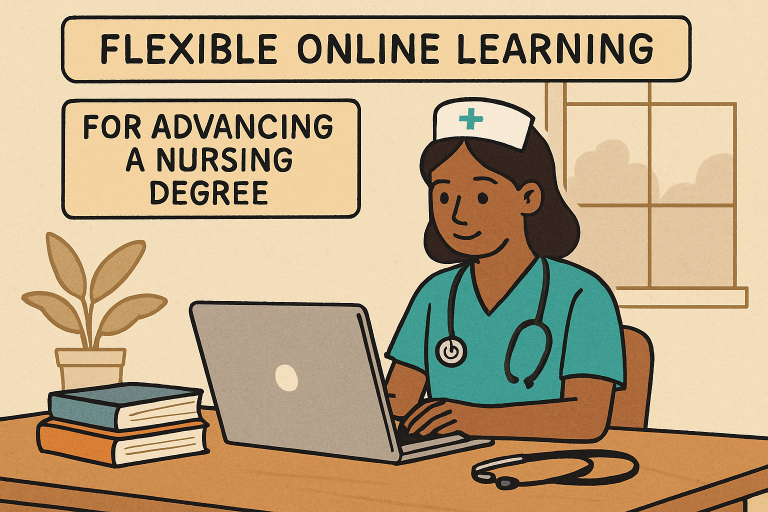
The landscape of healthcare is shifting rapidly, and with it, the demands placed on nursing professionals have grown more complex and multifaceted than ever before. Advanced education in nursing holds increasing value, not only because it enhances individual practitioners’ skill sets but also because it empowers nurses to drive innovation, improve patient outcomes, and take an active role in shaping public health policies. In this dynamic climate, a Master of Science in Nursing (MSN) has moved from being simply an academic milestone to a practical necessity for those looking to stand at the forefront of patient care and nursing leadership. As a result, online MSN programs have become an increasingly popular choice for registered nurses. These programs allow working professionals to advance their qualifications while juggling the demands of their careers, families, and personal lives, which are often unpredictable and high-stress.
Unlike traditional, campus-based programs, online programs bring master’s-level nursing education directly to aspiring leaders, wherever they may be, and whenever they can fit it into their lives. This flexible access is made possible by advances in digital learning platforms, which make it easier for nurses to earn advanced degrees without relocating or interrupting their work. The flexibility that online education offers is crucial in nursing, a field defined by long hours, rotating shifts, and the need for ongoing continuing education to stay current with advancements in medicine and technology.
Flexibility and Accessibility
One of the most compelling advantages of pursuing a master’s degree in nursing online is the unmatched flexibility provided by digital learning environments. Unlike the rigid timetables of on-campus coursework, many online programs offer asynchronous classes, allowing nurses to learn at their own pace, study after long shifts, and progress through material according to their unique schedules. This structure is particularly valuable for those who are balancing demanding clinical responsibilities, parenting young children, or caring for aging relatives, ensuring that advancing one’s education doesn’t mean sacrificing current personal or professional commitments. Students can seamlessly transition between learning and working, which is fundamental to success in such a demanding field.
Additionally, online programs have dramatically expanded access to advanced nursing education by removing traditional geographical barriers. Talented nurses in remote or underserved areas who may have previously lacked access to quality MSN programs can now enroll in top-tier educational opportunities offered by universities like Arkansas State University — regardless of where they live. The online format helps democratize access to graduate-level education, enabling highly skilled nurses to impact healthcare across more communities and regions. This reach is crucial for improving patient outcomes in rural and medically underserved areas, where advanced practice nurses are often in exceptionally high demand.
Addressing the Nursing Shortage
The American healthcare sector is facing a substantial and ongoing shortage of qualified nurses, particularly those with advanced education and specialized training. As medical needs become more complex—for example, with the surge in chronic illnesses and an aging population—the need for Advanced Practice Registered Nurses (APRNs) continues to grow. According to the Bureau of Labor Statistics, demand for APRNs is expected to surge by 38% from 2022 to 2032, a rate much faster than for almost any other occupation in the healthcare sector. This strong demand underscores the urgent need for more efficient educational pathways.
Online MSN programs play a vital role in addressing this gap. By leveraging scalable digital platforms, universities can serve larger, more diverse student cohorts than is possible with on-campus programs alone. This approach enables the rapid training and deployment of skilled APRNs into critical roles across the country, including schools, hospitals, primary care clinics, and public health organizations. By increasing the number of highly trained nurses, online MSN programs not only strengthen the healthcare infrastructure but also help reduce RN burnout, distribute workloads more evenly, and improve patient care outcomes at the systemic level. Furthermore, producing more advanced nurses means that healthcare facilities in even the most remote regions are more likely to maintain a high standard of care.
Career Advancement Opportunities
Graduates of online MSN programs discover a broad range of promising career paths, each offering unique rewards in terms of professional development, leadership, and compensation. Some of the most in-demand roles include Nurse Practitioner (NP), Clinical Nurse Leader (CNL), Nurse Educator, and Nursing Administrator. Each of these positions provides advanced responsibility, autonomy in clinical decision-making, and the chance to influence organizational protocols and healthcare system operations. For example, Nurse Practitioners are among the highest-paid nursing professionals, with median annual salaries surpassing $126,000 and top earners exceeding $160,000, depending on their specialty, geographic area, and years of experience.
Beyond improved earning potential, MSN-prepared nurses are often sought after for positions that allow them to lead interdisciplinary teams, mentor the next generation of nurses, and shape healthcare policies at institutional and legislative levels. Many advanced nursing roles are also at the forefront of patient advocacy, public health programming, and research, which means MSN graduates are positioned to generate a broad, lasting impact on both their local communities and the nursing profession as a whole.
Integration of Advanced Technologies
Modern online MSN curricula stand out not only for their flexibility but also for their integration of sophisticated technologies into the learning process. Many programs use virtual reality (VR), augmented reality (AR), and other advanced digital simulation platforms to bring real-world clinical scenarios into the online classroom. Through these immersive experiences, students can practice responding to emergencies, conducting comprehensive patient assessments, and implementing treatment plans—all from the safety and convenience of their homes.
This hands-on, tech-driven training bridges the crucial gap between theoretical knowledge and real-world clinical practice, preparing nurses to thrive in a rapidly digitizing healthcare landscape. Incorporating simulation and technology into the curriculum also enhances familiarity with electronic health records, telehealth protocols, and digital patient management systems, all of which are essential skills for today’s and tomorrow’s advanced practice nurses.
Accreditation and Credibility
As with any advanced degree, the credibility and value of an online MSN program are ultimately determined by proper accreditation. Reputable accreditation agencies such as the Commission on Collegiate Nursing Education (CCNE) and the Accreditation Commission for Education in Nursing (ACEN) subject programs to rigorous evaluation processes, ensuring that their curricula meet or exceed current industry standards for quality and safety. A degree from an accredited program not only bolsters a nurse’s knowledge and confidence but also ensures eligibility for professional certification, state licensure, and employment in competitive healthcare environments.
Prospective students should always confirm the accreditation status of any online MSN program to ensure their education meets employer expectations and licensing requirements, as accreditation can significantly affect educational outcomes and long-term career prospects.
Financial Considerations
Pursuing an MSN degree online is often far more affordable than attending a traditional campus-based program. In addition to tuition savings, students benefit from lower commuting, relocation, and campus-related fees. Many online MSN programs respond to the financial realities of working adults by offering robust financial aid packages, scholarship opportunities, and flexible payment plans to minimize the financial strain of graduate education. These options make earning an advanced degree a viable goal for more nurses, regardless of their financial backgrounds.
Moreover, the long-term earning potential and expanded career options associated with an MSN degree far outweigh the initial financial investment, particularly when factoring in the higher salaries and job security that often come with advanced nursing roles.
Conclusion
The rise of online MSN programs marks a transformative era for nursing professionals seeking flexibility, prosperity, and new leadership opportunities. As the national demand for advanced practice nurses surges and educational technologies continue to improve, these flexible online programs offer a viable and highly effective path for career growth at every stage of a nurse’s journey. Enrolling in an online MSN program not only elevates an individual’s personal and professional prospects but also plays a vital role in enhancing the quality, scope, and accessibility of healthcare for patients nationwide. Nurses who choose to pursue their advanced degrees online are shaping the future of healthcare—one that is more skilled, innovative, and inclusive than ever before.