Modern homebuyers are seeking more than traditional layouts; they want homes that offer versatility and flexibility. The evolution of how we live, work, and gather at home has created a strong emphasis on adaptable spaces that cater to shifting needs. A focus on flexible design not only appeals to buyers today but also supports homeowners as they navigate changing life stages. Consulting an experienced real estate professional, such as Dedham, MA real estate agent Elena Price, can offer valuable insights into properties designed for flexibility.
Flexible spaces allow homeowners to adapt room functions as their lives change. Whether accommodating remote work, hobbies, guests, or growing families, these multi-functional areas are valuable assets. As flexible living becomes the norm, home seekers are learning that a well-designed flex room is as essential as a kitchen or bath in today’s marketplace.
Adaptable layouts also address the changing realities of how we use our homes, particularly post-pandemic, when many found themselves in need of office, gym, and homeschooling space—all at once. As these lifestyle trends persist, the desire for homes that can easily adapt to various purposes has become a central factor in buyer decision-making.
People no longer see their house as a static backdrop but as a tool that works with them over time. This emphasis on function and fluidity has redefined what makes a home valuable, transforming flexible spaces into a sought-after feature for both new and existing properties.
Table of Contents
Understanding Flexible Spaces
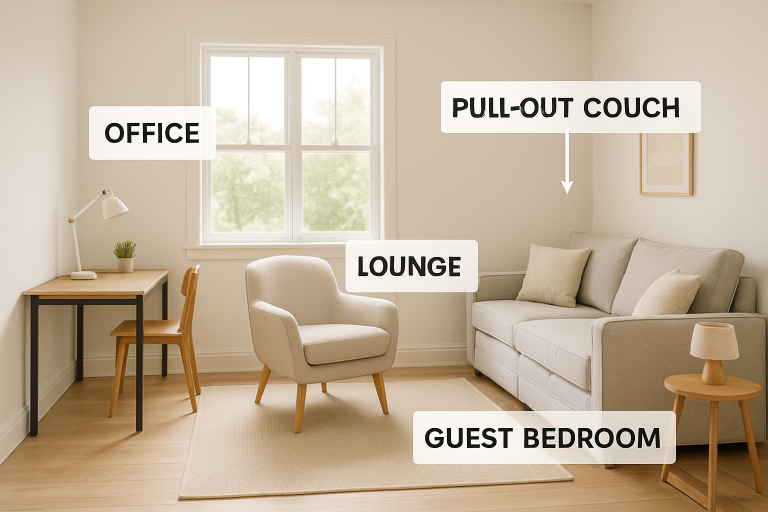
Flexible spaces, also known as flex rooms, are areas intentionally designed for multiple purposes. Rather than committing to one use, these rooms allow for easy transformation, depending on daily and seasonal needs. For example, a bonus room could operate as a home office during the week and as a guest bedroom or crafting space on weekends. Innovative storage solutions and neutral decor help these rooms remain relevant as the family evolves.
Unlike traditional floor plans that may dictate room function, homes with flex spaces offer owners the freedom to decide what works best for them. This versatility distinguishes them as highly practical, particularly for households that face frequent changes, such as remote work adaptations or accommodating aging relatives.
The Growing Demand for Flexibility
Homeowners and buyers alike are prioritizing adaptability. A survey by Hippo Insurance revealed that 90% of respondents value flexible spaces when searching for a new home. In comparison, an impressive 94% of new construction owners are willing to pay a premium for homes featuring adaptable layouts. This widespread demand signifies that flex spaces are no longer just a design trend but a lasting expectation in real estate.
The trend is even more pronounced in urban locations, where every square foot matters and maximizing utility is critical. Builders and designers now integrate flex rooms as standard features in new homes, recognizing that future buyers expect rooms that can evolve along with their lifestyles.
Benefits of Flexible Spaces
- Adaptability: Flex rooms allow your home to grow with you, reducing the pressure for major renovations or expensive moves as your needs change.
- Enhanced Resale Value: Properties with adaptable layouts attract a larger pool of buyers, making them easier to sell and potentially increasing their market value.
- Efficient Use of Space: Particularly in smaller homes or hot housing markets, multi-functional rooms allow every square foot to serve multiple roles, maximizing investment and comfort.
Real-Life Applications
Imagine a young professional in a city apartment. Their spare room functions as a home office during the day, with a fold-out bed stored neatly for overnight guests. Later, when children arrive, the same room transforms into a nursery, only to shift again into a study or playroom during their school years. Retirees might convert once-active playrooms into a hobby space or private library. The possibilities are as varied as homeowners’ needs, proving the enduring versatility of flexible design.
Designing for Flexibility
Neutral Design
Keeping decor simple with neutral tones and adaptable furnishings helps flexible spaces transition easily between uses. Movable furniture and modular systems further support quick room resets as needs change.
Built-In Storage
Effective storage—such as wall units, built-in closets, and concealed compartments—keeps items tidy and out of sight, making it easy to adopt new functions for the room without visible clutter.
Quality Lighting
Natural and layered artificial lighting ensures each flex room feels inviting and functional, whether it’s used as a workspace or a guest retreat.
Market Trends and Future Outlook
The movement toward flexible living is expected to persist. With the rise in remote jobs and shifting demographics, such as multigenerational households, homebuilders and renovators are designing with flexibility in mind. Industry leaders anticipate that homes featuring adaptable rooms will experience increased marketability and higher buyer satisfaction in the years to come.
Flexible design has become a hallmark of modern construction, signaling to buyers that a home will support various life stages without the need for costly alterations or frequent moves.
Final Thoughts
Incorporating flexible spaces into your home purchase is a savvy move—one that’s supported by trends, data, and expert advice. These versatile rooms enable you to adapt to new lifestyles, safeguard your investment, and maximize the use of every square foot. As the housing market continues to change, prioritizing adaptability ensures lasting satisfaction for homeowners and a stronger appeal for future buyers.