Embarking on a roof replacement project can be overwhelming, but making informed decisions about materials and warranties is essential for the long-term protection of your home. Ensuring durability and understanding warranty options will secure your investment for years to come. If you’re looking for trusted guidance, consider connecting with a residential roofing contractor in central PA who can provide local insights and recommendations.
Choosing the best roofing material not only boosts your home’s curb appeal but also impacts the structure’s resilience and overall value. A new roof is a major upgrade, and taking the time to understand your choices can save future headaches and unexpected expenses.
Today’s market offers a range of durable roofing products, each with its unique pros and cons. Picking the right one should be a balanced process that takes into account your budget, climate, and home design.
Beyond materials, comprehending the intricacies of roofing warranties will protect you from costly repairs in the event of defects or installation errors. These warranties can vary widely, so it pays to read the fine print and know what’s covered.
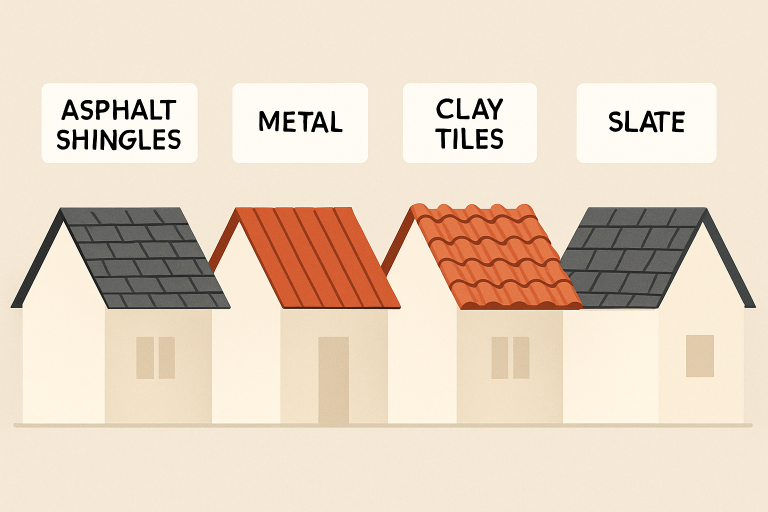
Table of Contents
Evaluating Roofing Materials
Durability, cost-effectiveness, and visual appeal are all critical factors to weigh when selecting your next roof. Here’s a breakdown of the most popular roofing materials:
Asphalt Shingles
Asphalt shingles remain a staple in American homebuilding thanks to their budget-friendly price and straightforward installation. With proper maintenance, asphalt roofs often last 20 to 30 years. However, if you’re looking for minimal upkeep, keep in mind that asphalt typically requires more frequent inspections and repairs than premium materials.
Metal Roofing
Metal roofing is prized for its extraordinary longevity and weather resistance. Aluminum, steel, and copper roofing systems can last 40 to 70 years, making them a favorite in regions with heavy rain or snow. These roofs also reflect solar heat efficiently, reducing cooling costs. Despite the higher initial investment, the durability and energy savings are considerable benefits. To learn more about the performance of metal roofs, visit this Consumer Reports roofing guide.
Clay and Concrete Tiles
Clay and concrete tiles stand out for their sculpted look and robust construction. They typically last between 50 and 100 years and are highly resistant to fire and inclement weather. It’s important to confirm your home’s structure can manage the added weight, as installation may require reinforcing your roof. These tiles also enhance Mediterranean or Southwestern architectural styles.
Slate Roofing
Slate roofs are synonymous with elegance and endurance, boasting lifespans that can far exceed 100 years. Their resistance to fire, mold, and harsh climates is unmatched. On the downside, the cost of materials and specialized installation can be high, and the weight of slate means not every home can accommodate it.
Understanding Roofing Warranties
Warranties provide peace of mind by offering protection against defects and faulty installation. However, the details and coverage vary, so it’s crucial to understand the different options:
Manufacturer’s Warranty
This warranty covers the roofing material itself and applies to manufacturing defects that could lead to premature failure. Make sure to check whether the warranty is prorated (its value decreases over time) or non-prorated, and what situations might void coverage—such as improper installation, which can invalidate a claim despite sound materials.
Workmanship Warranty
Unlike material warranties, the workmanship warranty comes from your installer and covers installation errors. Standard terms can range from 1 to 10 years, but always confirm the exact scope and request documentation. High-quality contractors will offer robust workmanship coverage to safeguard your investment.
Factors to Consider
- Regional Climate: Roofs face harsh local weather conditions. Metal or concrete performs well in snowy, icy, or rainy climates, while asphalt and clay perform best in moderate conditions.
- Budget: Initial costs matter, but so do long-term savings. Cheaper materials may cost more in repairs or early replacement, while premium roofs reduce the risk of frequent issues.
- Maintenance: Some roofs require annual inspections and cleaning; others, such as slate and metal roofs, remain relatively trouble-free. Weigh how much upkeep you’re willing to do versus paying more upfront for ease.
Conclusion
Thoughtfully choosing your roofing materials and warranty protections ensures your home will be secure, beautiful, and maintenance-conscious for decades to come. Carefully weigh all factors—durability, climate suitability, upfront budgets, and warranty clarity—before you commit to your next roof. Consulting with seasoned professionals and exploring reputable resources will help you get the highest value and peace of mind from your roof replacement.