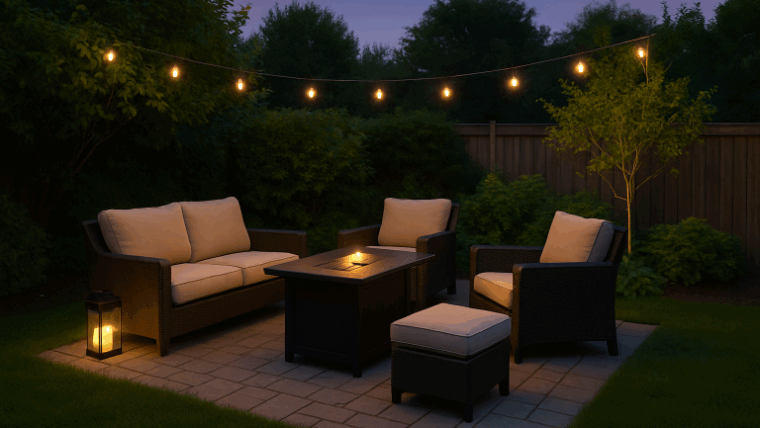
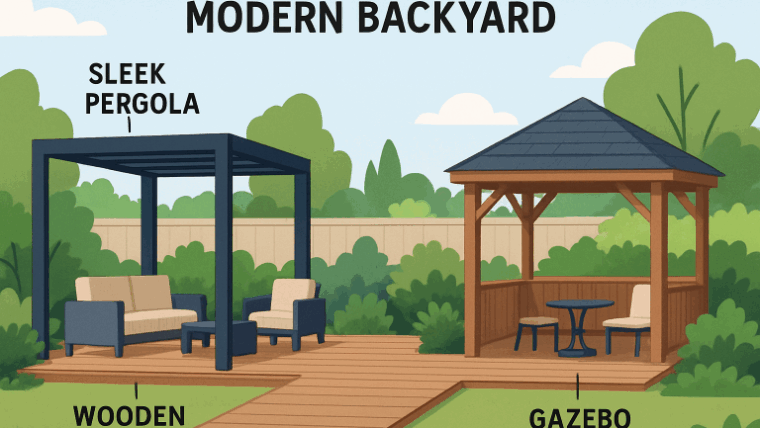
As modern homeowners seek sophisticated yet eco-friendly outdoor solutions, sustainable landscape lighting emerges as a prominent design focus. These trends not only elevate curb appeal but also demonstrate environmental responsibility. Whether you’re planning a backyard renovation or simply looking to highlight your garden’s best features, incorporating innovations like tree uplighting services can transform your property in sustainable and stylish ways.
Today’s landscape lighting options blend aesthetics with energy efficiency. From advanced LED fixtures to smart controls and solar solutions, the latest trends are all about minimizing environmental impact without sacrificing beauty. Forward-thinking designs also foster greater harmony between built and natural environments, embracing features that support biodiversity and reduce light pollution.
Sustainable lighting isn’t just about technology; it’s about making mindful choices. Homeowners now prioritize fixtures made from renewable or recycled materials and adopt architectural styles that use less energy and fewer resources. By embracing these principles, any outdoor space can achieve an eco-friendly glow that stands the test of time.
Modern landscape lighting isn’t a compromise; it’s an upgrade that brings together elegance, innovation, and green values. Here’s a comprehensive guide to the top sustainable lighting trends enhancing homes across the country.
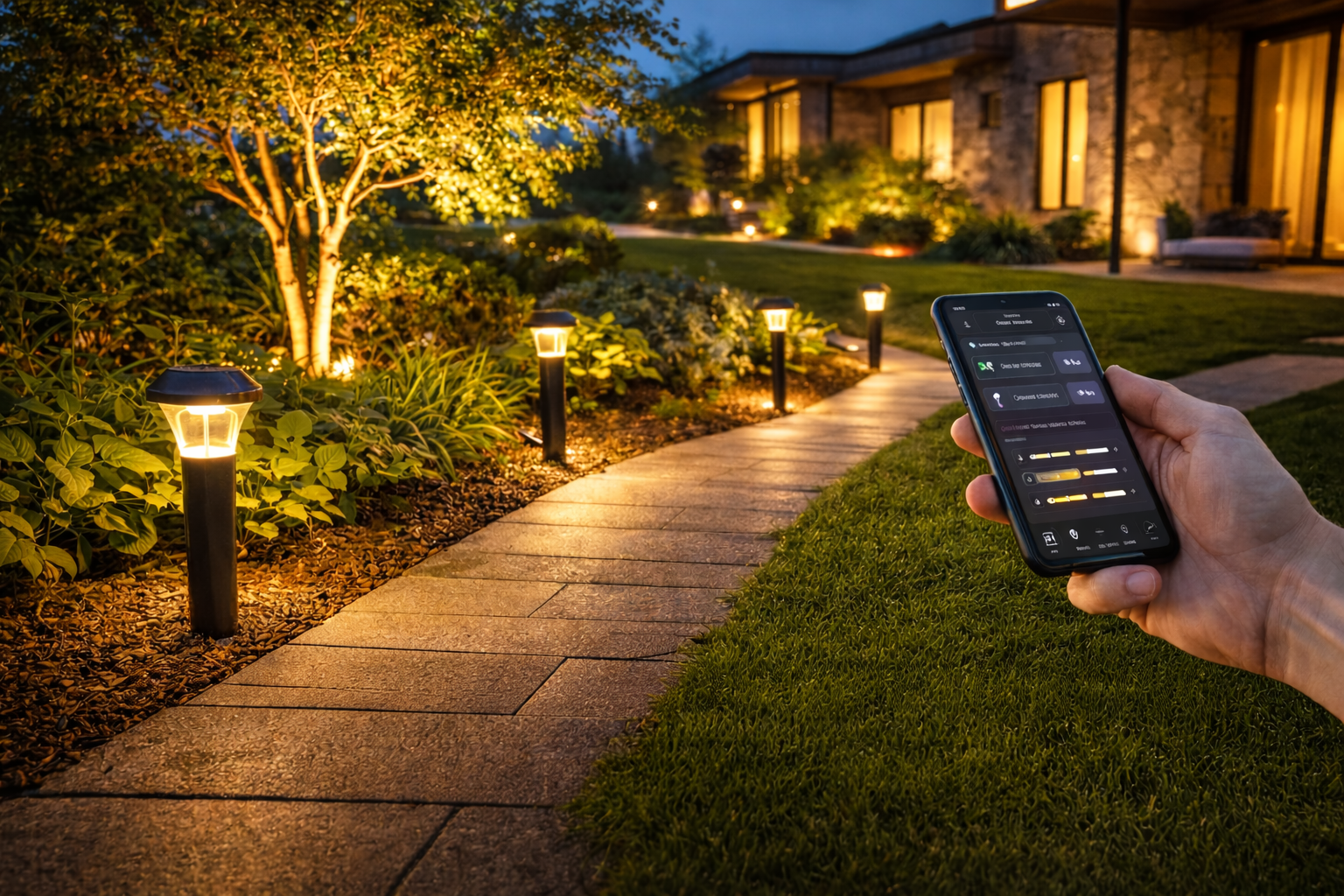
Table of Contents
Energy-Efficient LED Lighting
LED technology has changed the landscape lighting market with its superior energy savings and extended lifespan. Compared to traditional incandescent bulbs, LEDs can reduce energy consumption by 80-90 percent, resulting in lower utility bills and a smaller carbon footprint. Moreover, most LEDs run for over 25,000 hours before needing replacement, making them the most sustainable choice for outdoor applications. For homeowners seeking both style and substance, LED landscape lighting delivers consistent illumination along pathways, architectural features, and gardens while contributing to long-term cost savings.
Solar-Powered Solutions
As the demand for grid-independent solutions rises, solar-powered landscape lighting offers an accessible route to sustainability. These fixtures collect solar energy during daylight hours and use it to power LEDs at dusk, requiring no electrical wiring or grid connection. Solar options are particularly suitable for illuminating walkways, patios, and garden accents, boosting safety and ambiance without ongoing costs or emissions. Many models operate for eight hours or more on a single day’s charge, ensuring reliable performance through the night. The growing popularity of integrated solar lighting is evident in modern residential design, often paired with motion sensors or smart schedules to further increase efficiency. Home and garden experts recommend solar power for its simplicity and potential for long-term savings.
Biophilic Design Elements
Incorporating the principles of biophilic design involves integrating natural materials such as bamboo, wood, rattan, and stone into lighting fixtures and outdoor installations. This design philosophy emphasizes the human connection to nature, fostering a seamless transition between indoor and outdoor environments. By choosing lighting products made from renewable resources, homeowners support biodiversity and environmental stewardship. Biophilic elements appeal to those who value sustainability without compromising on visual warmth or unique texture in their landscape lighting.
Smart Lighting Systems
Smart lighting technology is redefining outdoor spaces by providing remote control and programmability. Using smartphone apps or voice assistants, homeowners can easily adjust brightness, shift color temperatures, or schedule lights to operate only when necessary. Many smart systems include automation features, such as dusk-to-dawn operation and motion sensors, ensuring lights are never left on unnecessarily. These innovations allow for dynamic ambiance, enhanced security, and maximum energy savings. As a result, smart lighting systems are quickly becoming a staple in sustainable landscape strategies, and their adoption is growing as part of modern home automation setups.
Dark Sky-Compliant Fixtures
With increasing awareness of light pollution and its effects on nocturnal wildlife, dark sky-compliant fixtures have emerged as an essential trend. These lights are engineered to direct illumination downward and reduce glare, helping to preserve the night sky while still providing functional lighting. Not only do dark-sky fixtures protect ecosystems and stargazing opportunities, but they also often meet strict municipal outdoor lighting requirements in many regions. Their adoption marks a critical step in reshaping residential lighting to support both humans and local habitats.
Use of Recycled and Sustainable Materials
Homeowners today are increasingly aware of the need to reduce waste and promote a circular economy. Lighting fixtures crafted from recycled metals, glass, or responsibly sourced materials make a difference not just in style, but also in environmental impact. Choosing sustainable materials helps decrease landfill waste and minimizes reliance on newly extracted resources, aligning with broader green living trends. Many brands now offer certified eco-friendly lighting options, ensuring that every part of the product’s life cycle supports environmental well-being.
Layered Lighting Techniques
Layered lighting, an advanced design technique, involves combining multiple types of lights at different heights and intensities to create depth and visual interest outdoors. By selectively illuminating trees, architectural features, and seating areas, homeowners can draw attention to focal points while minimizing unnecessary light spillage. This not only saves energy but also enhances outdoor ambiance. Layered lighting enables a strategic use of resources, illuminating only essential areas, elevating both efficiency and aesthetics in sustainable landscape design.
Minimalist and Architectural Designs
Minimalist lighting is characterized by clean lines, geometric forms, and unobtrusive fixtures that blend seamlessly into modern architecture. Beyond their subtle appearance, these designs typically use fewer materials and often favor energy-efficient technologies, such as LEDs and integrated solar components. Minimalist lighting achieves maximum impact with minimal environmental burden, supporting the movement toward functional, understated elegance in landscape design. Their streamlined approach fits well with contemporary homes and aligns with sustainable values by avoiding excess.
Adopting sustainable landscape lighting trends enables homeowners to enjoy vibrant, safe, and inviting outdoor environments that reflect a commitment to environmental stewardship. These practices offer tangible benefits, from cost savings to enhanced well-being and natural beauty, ensuring that exterior spaces remain welcoming and responsible for years to come.