Upgrading windows is a pivotal step for homeowners who want to create a more energy-efficient household. Modern window technologies offer transformative improvements that significantly reduce a home’s energy consumption. Installing energy-efficient windows reduces utility bills, maintains stable indoor temperatures, and enhances year-round comfort. Companies like Blue Chip Window & Door are helping homeowners make smart choices that deliver lasting benefits for both their budget and the environment.
In residential construction, windows are often overlooked as a source of energy loss. However, advancements in window engineering have made it easier for homeowners to conserve energy without sacrificing style or comfort. By understanding how new window features address traditional problem areas, homeowners are empowered to make upgrades that transform how their home consumes energy.
Energy-efficient windows do more than just look good. They actively work to keep homes warmer in winter and cooler in summer. As a result, households enjoy greater indoor comfort with less reliance on heating and AC systems, contributing to reduced energy expenditure and a lower carbon footprint. Embracing these upgrades supports energy conservation on both individual and community levels.
Table of Contents
Understanding Energy Loss Through Windows
Windows are a leading cause of energy loss within the average home. According to the U.S. Department of Energy, 25% to 30% of residential heating and cooling energy use can be attributed to windows alone. This energy loss becomes even more pronounced in regions with extreme weather fluctuations. Older windows often lack specialized coatings or adequate sealing, allowing heat to escape in winter and enter the home in summer. This inefficiency strains HVAC systems and increases monthly utility costs.
Key Features of Energy-Efficient Windows
Several cutting-edge features make modern windows vastly more energy efficient than their predecessors. Homeowners should consider these important improvements when planning a window upgrade:
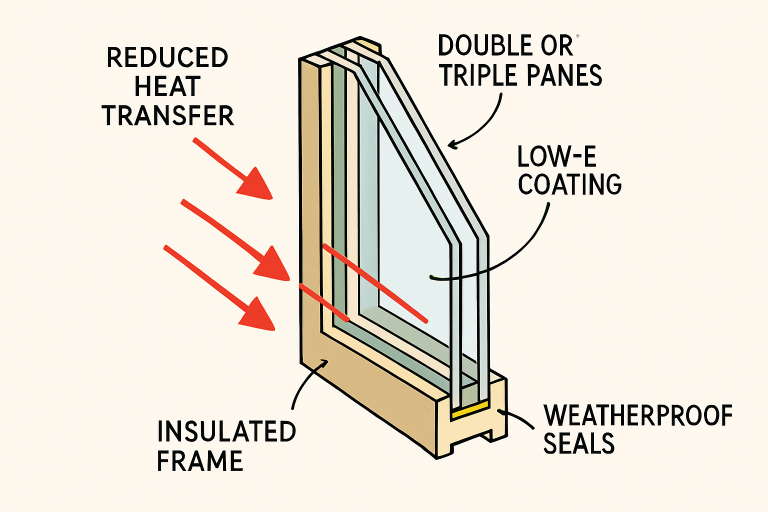
- Low-Emissivity (Low-E) Glass: Low-E coatings are designed to reflect infrared heat, helping retain indoor warmth in winter and keep heat out in summer. These microscopically thin coatings do not affect window transparency and are a standard component in most new energy-efficient models.
- Multiple Panes: Double- or triple-pane windows provide enhanced insulation by adding layers of air or an inert gas, such as argon, between the glass panes. These gaps serve as thermal barriers, significantly reducing unwanted heat transfer and improving both temperature control and noise reduction.
- Improved Frames: The choice of frame material can significantly affect window performance. Vinyl, fiberglass, and composite frames are engineered to resist warping and deterioration and provide optimal insulation, surpassing the efficiency of many older wood or metal frames.
- Advanced Seals and Spacers: State-of-the-art seals and warm-edge spacers minimize air leakage, which is vital for preventing drafts and maintaining a stable indoor environment no matter the weather outside.
Financial Incentives for Upgrading Windows
Government programs are making it easier than ever to justify the cost of window upgrades. For American homeowners, the Inflation Reduction Act offers a 30% tax credit (up to $1,200 annually) for qualifying upgrades, including energy-efficient windows, doors, insulation, and home energy audits. These incentives aim to encourage the adoption of sustainable technology and decrease household carbon footprints. Many states and local governments also offer rebates and financing options to help offset upfront costs, making high-performance windows more accessible to a wider audience.
Cost Considerations and Budgeting
The total investment in new windows depends on several factors, including the type of materials used, window style, size, glazing options, and installation complexity. On average, uPVC casement windows are the most economical, with single windows priced around £650. For a typical four-bedroom property, full-suite installations generally range from £6,750 to £11,000. Aluminum windows tend to be about 25% more expensive, while timber windows can cost up to 50% more. Careful planning and budgeting ensure homeowners receive maximum value for their investment.
Installation and Professional Assistance
Even the highest-quality energy-efficient window will underperform if it is not properly installed. Professional installation is critical to ensuring the benefits of new windows are fully realized. Certified installers follow manufacturer guidelines and use advanced sealing techniques to eliminate common problem areas, such as air leaks or water intrusion. Many experts recommend verifying the installer’s credentials and checking warranties before proceeding, as a well-installed window will deliver lasting energy savings and performance.
Final Thoughts
Investing in modern, energy-efficient windows offers a host of benefits, from improved indoor comfort and lower energy bills to increased home value and environmental responsibility. By carefully considering the advanced features, available incentives, and professional installation requirements, homeowners can make informed decisions that will make a real impact for years to come. Adopting these window technologies is a meaningful way to embrace sustainable living and position one’s home for a more efficient future.