Choosing the right care environment for a loved one is one of the most important decisions families make. When a Georgia family places trust in a nursing home, they expect compassionate, safe, and vigilant care. Unfortunately, the reality of neglect in some facilities can lead not only to severe physical issues but also to profound emotional suffering. If you have concerns about potential neglect, connecting with an Atlanta nursing home negligence attorney can help you understand your options and protect your loved one’s rights.
Nursing home neglect is a hidden crisis, often starting gradually and worsening over time. While some Georgia nursing homes consistently deliver high-quality services, others struggle with chronic understaffing, poor training, and a lack of oversight. These issues compromise not just the physical health of seniors but also their dignity and sense of self-worth, leading to an emotional toll that persists long after the initial incidents. Families must stay informed and vigilant, as neglect can take many forms and sometimes goes unrecognized until significant harm is done.
Table of Contents
Understanding Nursing Home Neglect
Nursing home neglect refers to a facility staff’s failure to meet the basic needs of residents, including adequate food, hygiene, movement, and timely medical care. While abuse implies intentional harm, neglect can occur due to systemic issues or unintentional oversights. In Georgia, elderly residents in under-resourced homes may spend hours unattended, face days without access to medication, or encounter unsafe living conditions. These circumstances set the stage for both physical injury and emotional trauma that may be irreversible.
Neglect can stem from a range of causes, from low staff-to-resident ratios to a lack of proper protocols and undermanned shifts. Elderly individuals, especially those with cognitive decline or mobility challenges, are especially dependent on prompt and empathetic care. Without it, avoidable crises quickly become life-threatening. For a deeper understanding of nursing home neglect, Time magazine offers an in-depth exploration into systemic challenges in eldercare.
Physical Consequences of Neglect
The physical results of nursing home neglect can be devastating. Seniors in neglected facilities are at increased risk for dehydration, malnutrition, bedsores, and untreated chronic conditions. Some reports document residents being left in soiled clothing for hours or failing to receive timely assistance when in distress. Especially troubling are cases involving falls or wandering, which can lead to broken bones, head trauma, or even death.
Medical issues like infections or pressure ulcers can rapidly progress if unnoticed or untreated. Instead of routine monitoring and preventative care, neglected residents often go days without seeing qualified health professionals. The Centers for Disease Control and Prevention notes that preventable injuries and illnesses remain a leading cause of hospitalization among nursing home residents, underscoring the urgent need for stronger oversight and accountability.
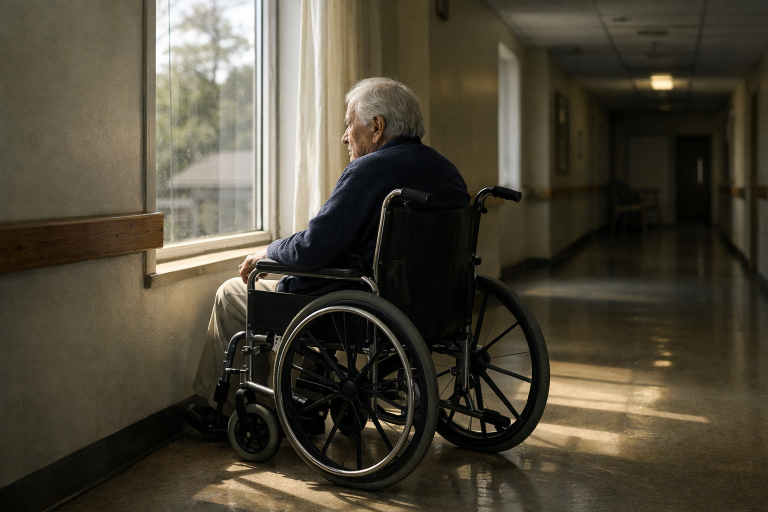
Emotional Impact on Seniors
While physical neglect garners attention, the emotional price paid by neglected seniors can be equally harrowing. Many residents experience loneliness, anxiety, depression, and an overwhelming sense of abandonment. A once-outgoing resident may withdraw, refusing to engage with family or staff out of mistrust or despair. The stigma of neglect, including public embarrassment and fear of retaliation, can make victims hesitant to report their experiences.
These emotional wounds may persist for years, eroding overall quality of life and, in some cases, diminishing the will to live. The impact extends beyond individuals to families, who often experience guilt, anger, and anxiety over their relative’s safety.
Recognizing the Signs of Neglect
Vigilant family members and loved ones can be the last line of defense against ongoing neglect. It is critical to recognize warning signals, which may include:
- Unexplained weight loss, malnutrition, or dehydration
- Poor grooming and hygiene
- Untreated medical conditions or recurring infections
- Sudden mood swings, depression, or social withdrawal
- Frequent unexplained bruises or injuries
Trust your instincts. If something seems amiss during a visit or if communication with staff feels evasive, do not ignore these red flags. Early intervention can prevent further harm and even save lives.
Legal Protections for Georgia Seniors
In Georgia, elderly residents have specific rights and legal protections designed to prevent and address nursing home neglect. The Attorney General’s office stresses the severity of these issues, identifying elder neglect and abuse as significantly underreported. Georgia law requires mandatory reporting by certain professionals and encourages the public to report any reasonable suspicion of neglect or exploitation. State and federal agencies regularly inspect facilities, and both civil and criminal penalties can be levied against negligent parties. Resources and step-by-step reporting guidance are available through the Georgia Department of Human Services.
Steps to Take if Neglect is Suspected
- Carefully document all possible signs and details of neglect, including photographs and written notes.
- Share concerns with the facility’s management team. Request a formal investigation and written follow-up.
- If there is no resolution or the situation is urgent, contact Georgia’s Adult Protective Services or local law enforcement immediately.
- Consult with an attorney experienced in elder law to pursue legal remedies where appropriate.
Swift action can be critical, not only for your loved one’s well-being but also to foster a broader culture of accountability and safety in Georgia’s nursing homes.
Preventing Nursing Home Neglect
Prevention starts long before the first incident. Families should research facilities thoroughly, conduct unannounced visits, and communicate openly with staff and residents. Reviewing inspection reports and understanding the facility’s staffing policies can also highlight potential concerns. Ongoing involvement and advocacy, such as visiting regularly, listening to your loved one, and speaking up when something feels wrong, often deters neglect and creates safer environments for all residents.
Conclusion
Nursing home neglect is an issue with real, lasting consequences for Georgia’s seniors. From physical injuries to emotional distress, the toll can be overwhelming and deeply unjust. Staying proactive, informed, and engaged is critical for families determined to protect their loved ones. By understanding the risks, knowing the signs, and making use of legal and advocacy resources, families can help ensure that seniors receive the dignity and proper care they deserve.
Frequently Asked Questions
What are common signs of nursing home neglect?
Common signs are unexplained injuries, poor hygiene, sudden weight loss, untreated medical conditions, and emotional withdrawal.
How can I report suspected neglect in Georgia?
Contact Georgia’s Adult Protective Services, law enforcement, or utilize guidance from the Georgia Department of Human Services.
Are there legal consequences for nursing home neglect?
Yes, both facilities and individuals may face civil and criminal penalties for neglecting residents under Georgia law.
How can families help prevent nursing home neglect?
Researching facilities carefully, maintaining consistent communication, making frequent visits, and staying involved in care planning are effective preventive steps.