Choosing a family vehicle can feel overwhelming because the best option is rarely the largest or most expensive one. A thoughtful comparison of space, safety, daily convenience, and long-term costs can make the decision far clearer. For local inventory and purchase options, Learn More before narrowing down a shortlist. A compact car, hatchback, hybrid, two-row SUV, three-row SUV, or minivan can each be a smart choice for the right household. The goal is to select a vehicle that handles school runs, commuting, errands, vacations, and changing family needs without adding unnecessary expense or stress.
Table of Contents
- 1 Why Vehicle Size Matters More Than It Seems
- 2 Start With a Real-Life Needs List
- 3 Compare Safety Features and Ratings
- 4 Check Child-Seat Fit Before Buying
- 5 Calculate the Full Cost of Ownership
- 6 New, Used, Certified, Hybrid, or Electric?
- 7 Test the Vehicle Like a Typical Family Day
- 8 Questions to Ask Before Signing
- 9 A Simple Vehicle-Choice Scorecard
- 10 Common Mistakes to Avoid
- 11 Final Checklist for Car Shoppers
- 12 Conclusion
Why Vehicle Size Matters More Than It Seems
Vehicle size affects more than legroom. Larger vehicles can provide additional seating and cargo capacity, but they may also cost more to buy, fuel, insure, park, maintain, and repair. Before assuming a three-row SUV is necessary, consider how often every seat will truly be occupied.
- Compact cars can work well for small households, tight city parking, and lower operating costs.
- Hatchbacks offer flexible cargo space while keeping a smaller footprint.
- Two-row SUVs suit families that want a higher seating position and room for gear without a third row.
- Three-row SUVs can help with carpools, larger families, and frequent long-distance travel.
- Minivans often provide easy access, sliding doors, versatile seating, and family-focused storage.
Start With a Real-Life Needs List
Build a list based on a typical week, not an idealized weekend. Answering the following questions can prevent overbuying or choosing a vehicle that becomes frustrating after a few months:
- How many people ride in the vehicle most days?
- How many child seats or booster seats must fit at once?
- How much room is needed for groceries, a stroller, pets, work bags, or sports gear?
- Is most driving done in city traffic, on highways, or on rural roads?
- Will the vehicle tow a trailer or carry heavy equipment?
- Is all-wheel drive necessary, or would quality tires meet the need?
- How long is the daily commute?
Compare Safety Features and Ratings
Safety should be evaluated by model year, trim level, and installed equipment. A feature that is standard on one trim may be optional or unavailable on another. Review vehicle safety ratings to compare frontal-crash, side-crash, and rollover information before making a final decision. A high overall rating is valuable, but it should not replace a closer look at individual crash categories, safety alerts, and real-world usability. Useful features to compare include automatic emergency braking, blind-spot monitoring, rear cross-traffic alert, adaptive cruise control, lane-keeping assistance, rear-seat reminders, parking sensors, and clear camera views.
Check Child-Seat Fit Before Buying
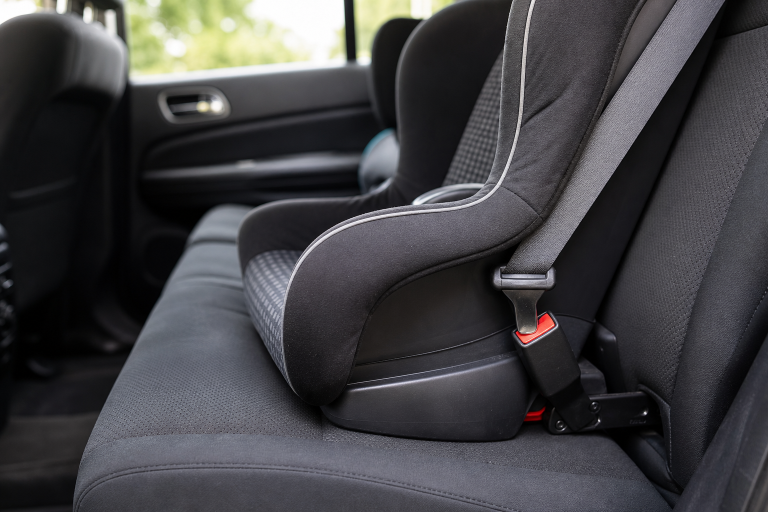
A vehicle can look spacious yet still be difficult to use with child seats. Bring your own seats to the dealership whenever possible, then test the rear-facing position behind the front passenger seat, rear-bench width, LATCH anchor access, and buckle access for older children. If considering a third-row model, make sure passengers can reach the rear row without removing a child seat. Also, check whether the front seats remain comfortable when a rear-facing seat is installed behind them.
Calculate the Full Cost of Ownership
The purchase price and monthly payment are only the starting point. A realistic budget should include sales tax, registration, documentation fees, insurance, fuel or charging, maintenance, tires, brakes, battery replacement, unexpected repairs, depreciation, and likely resale value.
A Simple Five-Year Comparison Worksheet
For each vehicle, estimate the following and add the totals:
- Purchase price, taxes, and required fees.
- Five years of loan interest or lease costs.
- Estimated fuel or electricity costs based on annual mileage.
- Five years of insurance premiums.
- Expected maintenance, tires, brakes, and repairs.
- Estimated value when the vehicle is sold or traded in.
A lower payment can still result in a higher total cost if the loan term is longer, the interest rate is higher, or operating expenses are higher.
New, Used, Certified, Hybrid, or Electric?
New vehicles provide current features and full warranty coverage, but usually carry higher upfront prices. Used vehicles can reduce the initial cost, though buyers should review the history records and arrange an independent inspection. Certified pre-owned vehicles may add warranty coverage, but buyers should still read the certification checklist and warranty terms carefully. For powertrains, gasoline models may fit households that take frequent, long trips and want fast refueling. Hybrids can be appealing for stop-and-go traffic and mixed commuting. Plug-in hybrids make the most sense when charging is convenient and daily drives are relatively short. Electric vehicles can work well for predictable routes, dependable home charging, and households that are comfortable planning longer trips around charging stops.
Test the Vehicle Like a Typical Family Day
- Adjust the driver’s seat and check outward visibility.
- Install child seats or fill every seating row with passengers.
- Load a stroller, groceries, luggage, or sports equipment.
- Use the rear doors, liftgate, folding seats, and storage compartments.
- Test parking, turning radius, camera views, road noise, and highway comfort.
- Make sure controls are easy to understand without becoming distracting.
Questions to Ask Before Signing
- What is the full out-the-door price?
- Which fees or add-ons are optional?
- What maintenance is expected during the first five years?
- What does the warranty cover, and what does it exclude?
- Are there open recalls on this specific vehicle?
- What interest rate, loan term, and total finance charge are included?
- What will insurance and registration likely cost?
Before finalizing a purchase, use the federal database to check for open recalls by entering the vehicle identification number. This is especially important when buying used.
A Simple Vehicle-Choice Scorecard
Rate each finalist from one to five for passenger comfort, child-seat access, cargo flexibility, safety equipment, fuel or charging cost, expected maintenance, parking ease, purchase price, and long-term value. The highest total is not automatically the winner. Give extra weight to the categories that matter most to your household.
Common Mistakes to Avoid
- Choosing based only on appearance or a promotional payment.
- Assuming a bigger cabin always creates better daily comfort.
- Skipping an inspection on a used vehicle.
- Ignoring insurance, tires, maintenance, and depreciation.
- Assuming every trim includes the same safety technology.
- Buying for an occasional need instead of everyday use.
Final Checklist for Car Shoppers
Write down daily needs, set a full budget, compare vehicle classes, review safety and recall information, test real passengers and cargo, estimate operating costs, inspect used vehicles, and read every contract detail before signing. The best family vehicle is the one that supports your routine safely and comfortably while remaining affordable for years to come.
Conclusion
Choosing the right family vehicle starts with understanding your household’s everyday needs rather than simply choosing the largest or newest option. Consider passenger space, child-seat fit, cargo capacity, safety features, fuel or charging costs, insurance, maintenance, and financing before making a decision. A realistic test drive with your family and common gear can also reveal practical differences that are difficult to see online. By comparing total ownership costs and focusing on how the vehicle will be used most often, you can choose a family vehicle that offers comfort, safety, convenience, and value without creating unnecessary financial pressure.