Choosing a home in Vero Beach, Florida, is also a decision about how you want ordinary days to feel. Morning errands, beach time, medical appointments, dining plans, dog walks, school drop-offs, and storm preparation all become part of the equation. A property can be beautifully updated and still be a poor fit if its setting makes the life you want harder to enjoy.
Buyers who want a neighborhood-level perspective may find Vero Beach, FL, real estate agent Kristin Dobson a useful starting point. Kristin Dobson’s website focuses on Vero Beach luxury properties, home searches, valuations, and neighborhood lifestyle information, including barrier-island communities and the Vero Beach 32963 area. That local focus can help buyers frame property questions around lifestyle, while still doing their own due diligence on maps, documents, costs, and condition.
Table of Contents
- 1 Why Neighborhood Fit Matters More Than Square Footage
- 2 Start With A Personal Lifestyle Checklist
- 3 Compare Barrier-Island And Mainland Routines
- 4 Look Beyond The Listing Photos
- 5 Make Flood Risk Part Of The First Conversation
- 6 Check Costs And Rules Before Falling In Love
- 7 Match The Setting To Your Goals
- 8 Build A Simple Neighborhood Scorecard
- 9 Conclusion: Choose The Routine, Then Choose The Home
Why Neighborhood Fit Matters More Than Square Footage
Square footage, bedrooms, and finishes matter, but they do not determine whether a home works on a Tuesday afternoon. A remote worker may value a quiet office and a reliable route to coffee or lunch. A retiree may place more weight on convenient healthcare, manageable maintenance, and nearby social activities. A family may need storage, parks, practical driving routes, and room for visiting relatives. A seasonal owner may prefer a home that is easy to secure and maintain while they are away.
Start by choosing the routine before narrowing the house search. For example, a buyer who pictures walking to restaurants and the beach may be disappointed in a larger home that requires a drive for every errand. On the other hand, a buyer who wants more interior space, a larger yard, or simple access to everyday shopping may find the mainland routine more comfortable.
Start With A Personal Lifestyle Checklist
Before touring homes, write down your priorities and rank them as essential, preferred, or optional. This prevents attractive photos from pushing practical needs into the background.
Questions To Put On Your List
- How close do you want to be to the Atlantic Ocean, the Indian River Lagoon, parks, restaurants, shops, and cultural venues?
- Do you need boating features such as a private dock, boat storage, navigable water access, or community dock rules that fit your plans?
- Would you prefer a gated setting, an active homeowners association, or a property with fewer community restrictions?
- How much do quiet streets, sidewalks, bike access, guest parking, and social amenities matter to you?
- Will children, pets, visiting family, aging-in-place needs, or potential resale influence your choice?
Compare Barrier-Island And Mainland Routines
Vero Beach offers several interpretations of coastal living. Barrier-island areas may appeal to buyers who want beach access, ocean or river views, and a distinctly coastal setting. Mainland neighborhoods can offer a different mix of home styles, lot sizes, and proximity to routine services. Neither is automatically better. The useful question is which setting best suits your habits.

“Near the water” also needs definition. It might mean oceanfront, riverfront, a canal or dock opportunity, a neighborhood with deeded beach access, or simply a short drive to the shoreline. Test the routes yourself. Drive to the grocery store, a medical office, favorite restaurants, and recreational destinations rather than relying only on an online map estimate.
Look Beyond The Listing Photos
A thoughtful neighborhood visit should be a small field test, not a quick drive-by. Visit on both a weekday and a weekend if possible, and return during a different part of the day. Notice traffic flow, street lighting, sidewalks, parking, landscaping, road conditions, and ambient noise. Look for drainage swales, low areas, standing water after rain, nearby construction activity, and signs that the street changes character when residents, visitors, or service vehicles are active.
Ask yourself whether the neighborhood feels right when it is busy and when it is quiet. If you are considering a condo or gated community, spend time around entrances, guest parking, common areas, and the routes you would use most often.
Make Flood Risk Part Of The First Conversation
Flood exposure is a property-specific issue, not a label that can be settled by a broad neighborhood description. Coastal location, rainfall drainage, elevation, flood-zone designation, building design, and prior improvements can all affect the questions a buyer should ask. The City of Vero Beach provides flood resources and maps that can help begin an address-based review.
Request insurance estimates early, including flood and wind-related coverage where applicable, because they affect the true carrying cost of a home. Review available elevation information, seller disclosures, prior permits, drainage patterns, and any known history of water intrusion or storm damage. A knowledgeable insurance professional and appropriate inspections can add important detail before an offer becomes final.
Check Costs And Rules Before Falling In Love
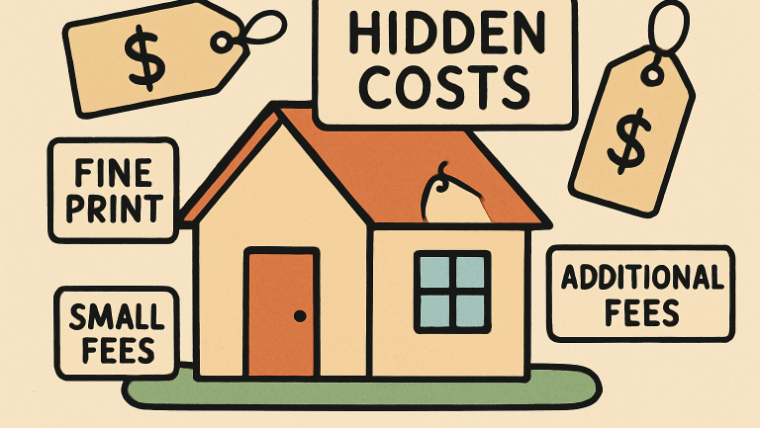
Two similarly priced homes can have very different monthly and long-term expenses. Build a realistic ownership budget that includes homeowner’s insurance, flood insurance if needed, property taxes, homeowner’s association dues, club memberships, dock or marina expenses, and routine maintenance. Pools, roofs, seawalls, generators, landscaping, and exterior finishes can all create meaningful future obligations depending on the property.
Community documents deserve the same attention as the floor plan. Review rental limitations, minimum lease periods, pet policies, parking rules, architectural approval requirements, and rules for boats, trailers, recreational vehicles, or golf carts. Ask whether assessments, reserve funding questions, or major infrastructure work are under discussion. A community rule that conflicts with your plans can matter more than a renovated kitchen.
Match The Setting To Your Goals
- Beach-focused buyers: Compare access, views, parking, storm considerations, and insurance.
- Boating households: Verify dock permissions, water depth, bridge clearance, maintenance duties, and routes to open water.
- Retirees: Consider healthcare access, single-level living, maintenance needs, and opportunities for social connection.
- Families: Evaluate school options, park access, traffic patterns, storage, bedrooms, and flexible living space.
- Seasonal owners: Review security, property management options, maintenance planning, and rental restrictions.
Build A Simple Neighborhood Scorecard
After each visit, score the area from 1 to 5 in the following categories. Add brief notes while your impressions are fresh.
- Daily convenience: How easily can you reach the places you use every week?
- Flood and storm comfort: Have you gathered enough property-specific information to understand the exposure?
- Insurance affordability: Do preliminary quotes fit your ownership budget?
- Privacy and noise: Does the activity level match your preferences?
- Community rules: Do the restrictions support, rather than limit, your intended use?
- Long-term appeal: What features could matter to future buyers as well as to you?
Conclusion: Choose The Routine, Then Choose The Home
The best Vero Beach neighborhood is personal. Compare access, costs, rules, weather exposure, and long-term plans alongside the home itself. By visiting carefully, reviewing reliable records, obtaining estimates early, and asking detailed questions before making an offer, you can choose a location that continues to fit long after closing day.