Ensuring your furnace receives regular care is one of the most impactful steps you can take as a homeowner. Consistent upkeep not only safeguards your investment but also helps avoid the inconvenience and costs of unexpected breakdowns. For those living in areas like Texas, having access to reliable furnace maintenance in Tyler, TX means enjoying uninterrupted comfort when you need it most.
The benefits of a maintained furnace go well beyond immediate savings. Proactive maintenance improves air quality, reduces energy waste, and helps your system achieve or exceed its expected lifespan. When a furnace is properly cared for, it delivers reliable heating through the harshest winters and keeps your energy bills in check by running efficiently. Regular maintenance empowers you to catch issues early, optimize system settings, and address common problems before they escalate.
Table of Contents
Understanding Furnace Lifespan
The average furnace, especially modern gas models, is designed to last between 15 and 20 years. Factors such as how often the furnace is used, the quality of installation, and the environment can accelerate or slow wear over time. But the single most influential factor is maintenance frequency. A neglected system often requires early replacement, whereas a regularly serviced furnace is more likely to meet or exceed its expected lifespan. According to the U.S. Department of Energy, frequent tune-ups and timely repairs are crucial to ensuring reliable operation over many years.
Importance of Regular Maintenance
Furnaces are hardworking appliances, and over the course of a winter, their components experience significant stress. As filters gather dust, vents become blocked, or moving parts start to wear, the system can lose efficiency and struggle to deliver the desired comfort. Without maintenance, minor issues can become more severe, potentially leading to higher energy consumption, sometimes by 10–20%, and eventual system failure. Regular maintenance also increases safety by allowing professionals to check for gas leaks, carbon monoxide buildup, or electrical hazards that might otherwise go unnoticed.
Key Maintenance Practices
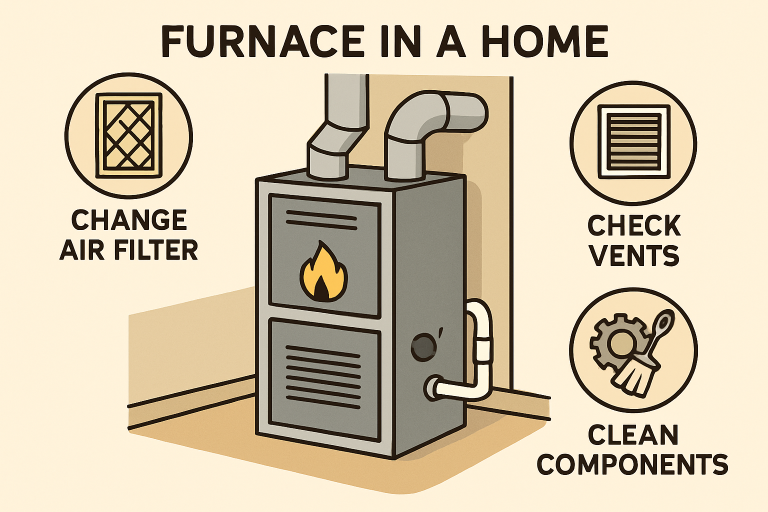
Homeowners can take several simple yet effective steps to prolong furnace lifespan and performance:
- Regular Filter Replacement: Changing air filters every one to three months keeps airflow unrestricted, prevents dust buildup inside the system, and reduces wear on the blower and other internal components.
- Keep Vents Unobstructed: Regularly inspect and clear supply and return vents of any obstructions to ensure efficient distribution of heated air. Furniture, drapes, or carpets too close to vents can reduce system efficiency.
- Clean Blower and Burners: Over time, dirt and soot can accumulate on these components, leading to poor combustion and reduced efficiency. Regularly cleaning these keeps your system running at peak performance. For guidance, Better Homes & Gardens offers useful home maintenance checklists and tips.
Benefits of Professional Inspections
While DIY maintenance covers the basics, annual professional inspections take system care a step further. HVAC technicians use specialized tools and expertise to identify early signs of potential failure, such as cracked heat exchangers, loose wiring, or faulty ignitors. Technicians can clean, adjust, and lubricate moving parts to minimize friction and wear. By making small repairs before they turn into expensive breakdowns, inspections help prevent midwinter emergencies and significantly extend the service life of your system.
Impact of Thermostat Upgrades
One of the simplest ways to maximize furnace lifespan and lower energy costs is by upgrading to a programmable or smart thermostat. These devices let you fine-tune heating schedules so your furnace doesn’t run when no one is home or when everyone is asleep. This reduces unnecessary heating cycles, minimizes furnace wear, and ensures a comfortable environment only when you need it. Over time, this adjustment protects your system and offers substantial energy savings, especially in larger homes or climates with significant temperature swings.
Sealing Ductwork for Efficiency
Ductwork distributes warm air throughout the home, but leaks or insufficient insulation can cause up to 30% of heated air to be lost before it reaches its destination. This means your furnace must work harder to compensate, leading to excess wear and increased utility bills. Sealing and insulating ducts helps retain more heat in your home, improves indoor comfort, reduces energy waste, and ultimately extends the operational life of your furnace.
Conclusion
Proactive furnace maintenance is inexpensive compared to the potential costs and disruption of premature system failure. Simple steps such as timely filter changes, vent clearance, and annual technician inspections pay lasting dividends in system reliability, energy savings, and peace of mind. By prioritizing furnace care and leveraging expert help, you can ensure your home’s comfort is protected, and your investment serves you for decades. For more information on the broader benefits of regular home maintenance, visit the Consumer Reports maintenance guide.