Table of Contents
Understanding Mental Health Stigma
Stigma connected to mental health remains a persistent barrier for individuals seeking care and support. Mental health stigma refers to the unfavorable attitudes and misunderstandings surrounding people living with mental health conditions, which often lead to social exclusion, discrimination, and unfair treatment. When someone experiences symptoms of depression, anxiety, or another disorder, the fear of being judged or ostracized can be just as distressing as the condition itself.
Unfortunately, this stigma is reinforced by myths and stereotypes, primarily fueled by a lack of public awareness and education about mental illness. People suffering from mental health conditions may hesitate to access helpful resources, such as an Inpatient Mental Health Facility in Pompano Beach, delaying treatment and support that could improve their well-being.
Prejudice is not always overt. Sometimes, it takes the form of microaggressions or subtle biases within families, workplaces, or communities. This perpetuates a cycle where mental health remains a taboo subject, making recovery and open conversation more difficult.
Addressing these misconceptions requires intentional education and community effort. Understanding what stigma is and how it functions within society is the first crucial step toward breaking down the barriers that keep so many people from seeking help.
The Impact of Stigma on Individuals and Communities
The consequences of mental health stigma go beyond individual emotional distress. Stigma can deter someone from confiding in friends or family, resulting in a lack of support during times of crisis. Some people may avoid seeking help entirely, which can worsen conditions and significantly reduce quality of life.
Communities are also affected when mental health stigma flourishes. Untreated mental health conditions can burden healthcare systems with increased emergency visits and hospitalizations, as well as reduced workplace productivity and participation in community life. As noted by the Centers for Disease Control and Prevention (CDC), promoting positive mental health is vital for overall societal well-being.
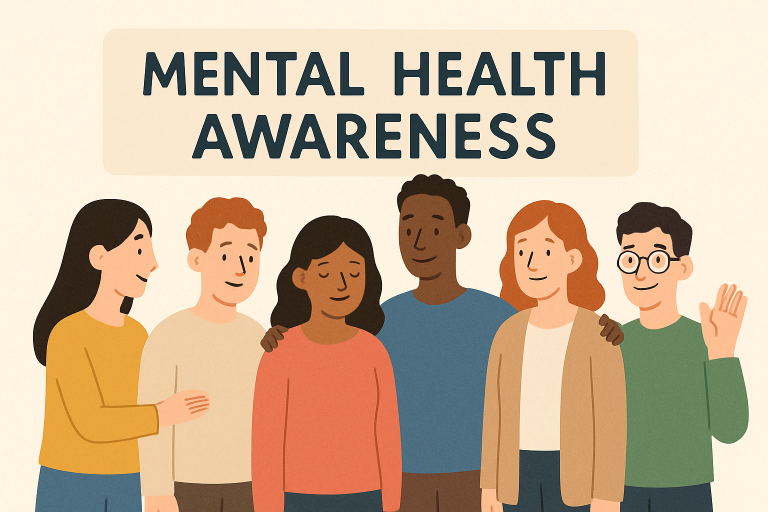
On a broader scale, the inability to talk about mental health challenges openly can impede public health strategies and prevent people from learning about evidence-based treatments and local resources.
Strategies to Combat Mental Health Stigma
Combating stigma requires a range of efforts and commitment from multiple sectors. Effective strategies include:
- Education: Creating comprehensive mental health education programs for schools, workplaces, and communities. Accurate information dispels harmful myths and replaces stereotypes with facts.
- Open Dialogue: Encouraging honest discussions about mental health in families, social gatherings, and publicly visible platforms. Normalizing these conversations helps reduce shame and isolation.
- Supportive Policies: Developing and enforcing policies that protect people with mental health conditions from discrimination in the workplace, schools, and healthcare settings. Incentivizing environments that support mental well-being benefits everyone.
Training teachers, managers, and healthcare staff to recognize mental health symptoms and respond empathetically also helps to create a safer, more inclusive culture for those seeking help.
Successful Campaigns and Initiatives
Around the globe, several campaigns have shifted perceptions and raised awareness about mental health. Two standout examples include:
- Bell Let’s Talk: This Canadian campaign has gone beyond simple messaging and uses annual social media engagement to raise millions for mental health initiatives. Bell Let’s Talk Day has become a recognized event that encourages people to share their mental health experiences and support those who are struggling.
- Time to Change, based in the UK, aims to transform public and professional attitudes toward mental illness. Through personal storytelling, educational resources, and bold marketing, the campaign has reached millions.
Such efforts demonstrate the profound impact that coordinated campaigns can have on shifting cultural understanding and encouraging sustainable change.
The Role of Media in Shaping Perceptions
Media, in all its forms, wields incredible influence over how people view mental health. Television, film, journalism, and social platforms contribute to the stories and images that shape collective attitudes. When the media opts for responsible, human-centered reporting, it can combat misconceptions, present real success stories, and underscore the importance of compassion.
On the other hand, sensational or inaccurate depictions often reinforce damaging stereotypes and fears. To address this, organizations such as the National Alliance on Mental Illness (NAMI) provide guidelines for media professionals to promote accurate and sensitive mental health reporting.
Personal Stories and Testimonials
The power of lived experience cannot be overstated. When individuals openly share their mental health journeys, whether through blogs, podcasts, or speaking events, others are encouraged to do the same. These stories highlight the complexity and individuality of each person’s situation, promote empathy, and provide hope.
Testimonials are especially meaningful for those in the early stages of recovery, who may feel alone or misunderstood. Reading or listening to others’ stories reassures them that seeking help and talking openly are both steps toward healing.
Resources and Support Systems
Accessible, well-publicized support systems are essential for those facing mental health challenges. National groups such as the National Alliance on Mental Illness (NAMI) and the Substance Abuse and Mental Health Services Administration (SAMHSA) offer information, advocacy, and connections to community providers.
Local facilities, support groups, and online therapy programs can be lifesaving. Individuals are encouraged to use these resources and advocate for even more robust support networks within their communities.
Conclusion
Ending the stigma attached to mental health is an ongoing community responsibility. Through education, policy changes, successful awareness campaigns, and increased access to support services, a more accepting and healthier future is possible. When society supports open conversations and celebrates personal stories of resilience, the groundwork is laid for lasting change and understanding.