Upgrading your home’s roof is one of the most important investments you can make for safety, performance, and curb appeal. Recent advancements in roofing technology have transformed how homeowners approach roof replacement, offering a broad array of options tailored to specific needs and climates. If you’re considering a roof replacement, understanding the latest trends and innovations can help you make an informed decision on a solution that provides value for years to come. For those looking to start the process, Connecticut roof replacement specialists can walk you through modern choices available for your region.
Modern roofs do more than shelter—they actively reduce energy bills, bolster weather resistance, and complement your home’s style. With choices ranging from eco-friendly green roofs to integrated solar solutions, today’s roofing market is focused on longevity and sustainability. Smart technology is now a major consideration, with homeowners taking advantage of real-time monitoring to safeguard their investments.
Whether you’re replacing a worn-out roof or upgrading to a smarter, more energy-efficient system, making the right choice starts with understanding these innovations. No matter the size or style of your home, there’s a modern roofing solution designed to keep your property protected and your energy costs in check. Staying informed about current options is key to adding long-term value and peace of mind to your home improvement project.
Table of Contents
Advanced Roofing Materials
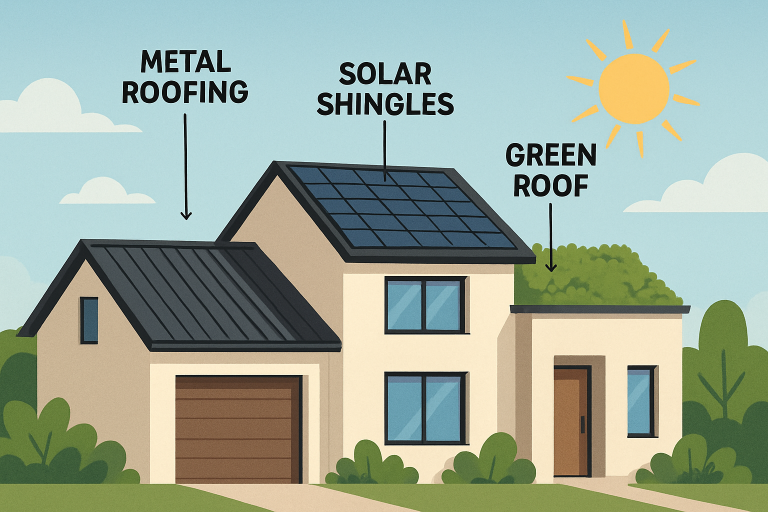
Homeowners today enjoy a selection of advanced roofing materials engineered to withstand harsher weather and last significantly longer than traditional options. Impact-resistant shingles are a popular choice in regions prone to hail and storms, boasting a multilayer construction that resists cracking, splitting, and denting. Metal roofing has also gained momentum due to its exceptional lifespan, often lasting 40 to 70 years, along with its resistance to fire, mildew, and rot.
New synthetic materials, such as polymer-modified asphalt shingles, are designed to offer both flexibility and a concrete-like strength. These innovations make roofs not only tougher but also often lighter and more energy-efficient than ever before. According to the National Roofing Contractors Association (NRCA), selecting a roofing material that suits your climate and maintenance preferences can result in substantial savings and enhanced protection throughout its lifespan.
Smart Roofing Technologies
The digital revolution has extended to the roof, transforming how homeowners maintain and protect their largest investment. Smart roofing technologies utilize integrated sensors to monitor conditions such as moisture and temperature fluctuations, and even detect small leaks before they become significant problems. Mobile apps and real-time data dashboards provide instant access to roofing status and climate information, enabling you to identify potential issues early.
Some smart roofs even utilize automated ventilation controls, which adjust based on temperature or humidity, optimizing comfort and energy use throughout your home. By incorporating these intelligent solutions, you’re not only safeguarding against costly repairs but also making proactive maintenance possible—keeping your roof in top condition with less effort.
Eco-Friendly Roofing Options
Environmental consciousness now plays a major role in roofing decisions. One prominent trend is the use of green, or “living,” roofs—where vegetation, soil, and waterproof membranes transform an ordinary rooftop into a miniature landscape. These living roofs naturally insulate homes, absorb rainwater, and help filter air pollutants, supporting both local biodiversity and urban climate control.
In addition to green roof systems, cool roofing technology utilizes sunlight-reflective coatings designed to maintain surfaces at lower temperatures, thereby reducing heat transfer into your living spaces. This in turn lowers the demand for air conditioning, a benefit recognized by the U.S. Environmental Protection Agency (EPA). Many cool roofs meet or exceed ENERGY STAR® guidelines, making them a smart choice for reducing utility costs and environmental impact.
Solar-Integrated Roofing Systems
Solar roof technology has moved well beyond bulky, rack-mounted panels. Today’s solar-integrated shingles are designed to complement standard roofing styles, with photovoltaic material built directly into the shingle itself. This seamless approach delivers clean, renewable energy without disrupting your home’s appearance or roofline.
These systems often connect with smart inverters and advanced battery storage, ensuring a consistent power supply during outages or nighttime hours. Monitoring platforms, accessible from any smart device, provide real-time updates on power output, consumption, and overall performance—making it easy to track savings and see return on investment over time. With growing incentives and dropping installation costs, solar-integrated roofs are an attractive option for energy-conscious homeowners.
Choosing the Right Roofing Solution
Finding the optimal roofing solution requires careful consideration of climate, architectural style, budget, and your household’s energy goals. A professional roofing contractor can assess your existing structure, discuss cost-benefit analyses, and help you select materials and technologies that maximize both longevity and comfort. Keep in mind local building codes, manufacturer warranties, and ongoing maintenance commitments.
Conclusion
A modern roof replacement offers immediate and long-lasting benefits, including protection against harsh weather, prevention of leaks, and enhanced comfort, as well as reduced energy bills and increased sustainability. New advancements mean homeowners have more options than ever for a roof that not only protects, but performs intelligently and looks beautiful. Explore the innovative solutions available today and work with trusted professionals to find the right path forward for your home and the environment.