The growth of online Doctor of Education (Ed.D.) programs over the past decade has ushered in a new era in educational leadership. With innovative technology and evolving learning expectations, aspiring leaders now have the freedom to earn advanced credentials from anywhere. This accessibility is not just changing individuals’ career paths but is also influencing how education systems globally develop effective leaders. As online Ed.D. pathways become more prevalent, professionals benefit from increased flexibility, networking reach, and options for specialization. For example, programs like those offered at sites like education.illinois.edu have become a go-to solution for many seeking to balance work, life, and academic advancement.
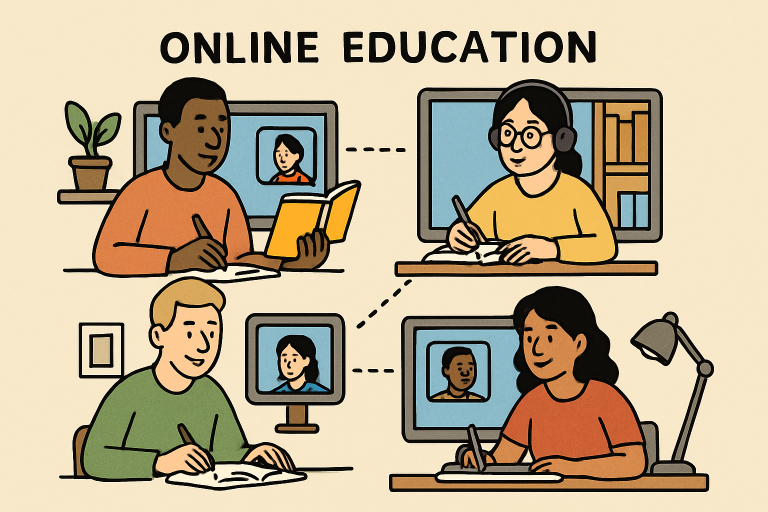
In today’s digital age, online Ed.D. programs enable educators and administrators to gain critical skills without relocating or taking time off from their careers. This shift redefines the boundaries of educational training, allowing experienced professionals to remain fully engaged in their workplaces while earning a doctoral degree. With options like real-time classes, asynchronous modules, and virtual collaboration, higher education institutions can expand their reach and inclusivity.
Moreover, the structure and curriculum of many online Ed.D. offerings are designed to prepare graduates for the ever-changing landscape of policy, classroom technology, and leadership roles. Virtual classrooms create robust opportunities to apply theoretical knowledge in current work settings, keeping coursework relevant and practical. By leveraging diverse specializations and global peer cohorts, these programs enrich participants’ perspectives and leadership skills.
Amid all these innovations, it is important to acknowledge how the emergence of online doctoral education is helping institutions and individuals adapt to rapid changes in the sector. As new challenges arise, whether from evolving technology or shifting educational policies, online Ed.D. graduates are well-positioned to respond with evidence-based solutions.
Table of Contents
Accessibility and Flexibility
Perhaps the most profound impact of online Ed.D. programs is their accessibility. Professionals who once faced barriers such as distance, limited transportation, or conflicting work schedules can now participate in high-quality doctoral education from their homes or offices. Universities have responded to demand with programs tailored for working adults, such as those at the University of Kansas, which offer flexible course formats that allow learners to balance family and professional obligations alongside their studies. According to U.S. News & World Report, remote Ed.D. programs have expanded the talent pipeline for school districts and universities nationwide.
Flexible delivery methods such as asynchronous lectures, evening video sessions, and self-paced modules mean students do not have to pause their careers or uproot their families. This model particularly benefits educators in rural areas or regions with limited access to higher education, widening participation and bringing diverse voices into advanced educational leadership.
Diverse Specializations
Today’s educational challenges are highly specialized, prompting programs to offer a menu of concentration areas that reflect changing school and community needs. Franklin University is one example, providing tracks such as PK-12 Leadership, Higher Education Leadership, and Organizational Behavior. Such specialization allows professionals to tailor their learning to areas of immediate relevance, bolstering their ability to address issues specific to their roles, such as curriculum innovation, inclusion, or higher ed administration.
The demand for targeted expertise is rising rapidly, making it essential for programs to evolve with educational trends. Flexible concentrations allow leaders to develop deep content expertise while still receiving broad, strategic training, creating a dual advantage in the workplace.
Emphasis on Practical Application
Contemporary Ed.D. programs recognize that actionable knowledge is the most valuable form of knowledge for today’s leaders. Curricula place a strong emphasis on solving professional challenges, conducting applied research, and engaging in field-based projects. For example, American International College designs its online Ed.D. degree with experiential coursework, ensuring that theoretical learning is directly mapped to challenges participants face in their current jobs. This actionable approach produces graduates who are workplace-ready and confident in their ability to drive organizational improvement.
Integration of Technology
The virtual nature of online Ed.D. programs means technological fluency is a built-in outcome. From collaborative software to data analytics, future leaders learn to navigate and leverage technologies that are transforming schools and colleges globally. Digital platforms, interactive simulations, and real-time assessment tools increase engagement and foster innovative problem-solving strategies. Exposure to instructional technology prepares graduates not only to manage digital classrooms but also to advocate for evidence-based edtech policies.
Global Perspectives
Online Ed.D. programs attract a geographically and culturally diverse student body. Exposure to international educational practices and peers broadens leadership perspectives. Peer discussions often touch on educational systems from various countries, best practices in global contexts, and the importance of cultural competence. As school districts and universities become more interconnected and diverse, these global insights become central to effective leadership.
Accelerated Pathways
Many institutions now offer accelerated Ed.D. tracks that allow qualified candidates to complete their degrees in significantly less time than traditional routes. Georgian Court University lets students jumpstart their research and begin dissertation work from the outset, reducing overall completion times. Quickened program lengths appeal to aspiring leaders who want to transition rapidly into superintendent, dean, or advanced faculty roles.
Networking Opportunities
A common misconception is that online programs lack meaningful networking. On the contrary, virtual Ed.D. classrooms foster tight-knit cohorts through discussion boards, group projects, virtual conferences, and mentorship matchmaking. Students connect not only with peers but also with faculty experts and industry leaders who routinely participate as guest lecturers or panelists. These professional relationships can lead to job offers, research collaborations, or long-term mentorship that persists long after graduation.
Final Thoughts
Online Ed.D. programs are revolutionizing educational leadership. By delivering flexibility, practical training, and the ability to connect across geographical divides, these programs equip leaders with the vision, tools, and connections needed for a rapidly changing world. As technology and policy demands shape new realities, expect online Ed.D. education to remain at the forefront of equipping educators for future challenges.