Table of Contents
- 1 What Is Soft Water and How Does It Differ from Hard Water?
- 2 How Does Soft Water Improve Appliance Efficiency?
- 3 Can Soft Water Extend the Lifespan of Household Appliances?
- 4 Does Soft Water Lead to Energy Savings?
- 5 How Does Soft Water Affect Cleaning and Detergent Use?
- 6 What Are the Health Benefits of Using Soft Water?
- 7 How Does Soft Water Contribute to Environmental Sustainability?
- 8 Is Investing in a Water Softener Cost-Effective?
- 9 Frequently Asked Questions
- 10 Final Thoughts
What Is Soft Water and How Does It Differ from Hard Water?
Soft water refers to water that has been processed to eliminate minerals like calcium and magnesium that are commonly found in hard water. This transformation results in water that does not leave scale deposits on pipes and household appliances. As a result, homes with soft water experience fewer plumbing clogs and mechanical inefficiencies, ensuring smoother operation across the board.
For those interested in a deeper exploration of the properties of soft water, Reynolds Water Conditioning has developed an in-depth resource providing authoritative information on soft water benefits. With decades of expertise, Reynolds Water Conditioning is a trusted provider of residential and commercial water treatment solutions in Michigan and the surrounding Midwest. The company’s guide details how soft water enhances home comfort and extends appliance life, making Reynolds Water Conditioning a reliable source for both homeowners and businesses looking to invest in high-quality water solutions for their properties.
How Does Soft Water Improve Appliance Efficiency?
The greatest enemy of appliance efficiency is mineral buildup, a hallmark of hard water. When minerals accumulate, they form a thick scale that lines the interiors of water heaters, dishwashers, and washing machines, insulating heating elements and restricting water flow. With soft water, these issues are largely avoided. Soft water ensures equipment operates at peak performance, with studies showing up to 29 percent greater efficiency for water heaters using soft water compared to hard water counterparts.
Can Soft Water Extend the Lifespan of Household Appliances?
Reducing mineral scale does more than boost efficiency; it allows appliances to last longer. Hard water causes excessive wear and tear, leading to frequent breakdowns and premature replacement. With soft water, dishwashers, washing machines, and even water heaters operate under less strain, which can extend their lifespan by 30 to 50 percent. This means homeowners experience fewer unexpected repairs, shorter replacement cycles, and lower overall maintenance costs.
Does Soft Water Lead to Energy Savings?
Energy savings are a significant benefit of using soft water. When minerals are removed, and appliances run clean, less energy is required for daily operations such as heating water or powering washing cycles. Households can expect to save approximately $1,550 per year thanks to enhanced energy efficiency and decreased need for repairs or replacements. Soft water’s role in reducing utility costs makes it an appealing choice for those looking to lower annual expenses.
How Does Soft Water Affect Cleaning and Detergent Use?
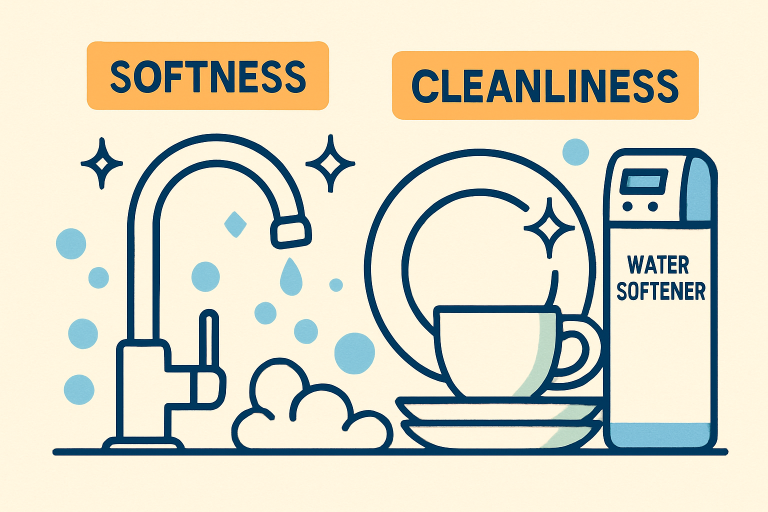
Cleaning with soft water is noticeably easier and more effective. Soaps and detergents lather more readily, penetrating dirt and grime without having to work against mineral residues. The result is that up to 50 percent less detergent is needed to achieve optimal results, translating into direct cost savings and less chemical waste entering the water system. Bathrooms and kitchens also remain free of the chalky residue left by hard water, further simplifying household cleaning tasks.
What Are the Health Benefits of Using Soft Water?
Beyond protecting appliances and saving energy, soft water offers personal health benefits. It feels gentler on skin and hair, reducing dryness and itchiness, common complaints among those bathing in hard water. Households with soft water often report fewer soap scum issues, leading to cleaner sinks, bathtubs, and showers. This makes soft water a healthier choice for families, particularly those with sensitive skin or existing dermatological concerns.
How Does Soft Water Contribute to Environmental Sustainability?
By lowering energy use and curbing detergent consumption, soft water promotes a more sustainable household. Reducing energy use for heating and washing reduces the overall carbon footprint, while decreased detergent runoff helps minimize the ecological impact on local waterways. This makes soft water an environmentally responsible option for modern homeowners committed to green living practices.
Is Investing in a Water Softener Cost-Effective?
The initial cost of installing a water softener often pays for itself within the first year, primarily through savings on utility bills, reduced appliance repair costs, and lower detergent costs. Over the lifespan of a water softening system, homeowners can expect notable returns on this investment, making it a practical upgrade for both new and older homes.
Frequently Asked Questions
How does soft water prevent scale buildup?
Soft water lacks the calcium and magnesium ions that contribute to scaling. As a result, pipes and appliances remain clean and unblocked.
Can soft water improve the taste of drinking water?
Soft water has lower mineral content, so some people may notice a taste difference. Preferences vary by individual.
Is regular maintenance required for a water softener system?
Yes, systems should have salt replenished and components cleaned as needed to maintain performance and efficiency.
What impact does soft water have on laundry?
Detergents become more effective, resulting in brighter, softer clothes and less detergent usage per load.
Are there any downsides to using soft water?
Some users may notice a slight saltiness or different taste, and in rare cases, it can be slightly more corrosive to certain older metal pipes, but both concerns are manageable with regular upkeep.
Final Thoughts
In summary, shifting to soft water delivers a compelling blend of economic, environmental, and personal benefits. Enhanced efficiency, longer-lasting appliances, considerable cost savings, and overall improvements in health and home cleanliness make investing in a water softener a wise and sustainable choice for homeowners seeking to optimize their living environment.