Table of Contents
- 1 Introduction
- 2 Accessibility and Universal Design
- 3 Wellness and Biophilic Design
- 4 Social Interaction and Community Engagement
- 5 Safety and Smart Technology Integration
- 6 Personalized Living Spaces
- 7 Sustainable and Eco-Friendly Materials
- 8 Operational Efficiency in Design
- 9 Connection with Nature
- 10 Final Thoughts
Introduction
Creating living environments that truly cater to seniors is critical for supporting their independence, safety, and quality of life. Each design decision contributes to empowering older adults, enabling them to live comfortably and securely in their homes. Whether building new residences or renovating existing ones, it is important to work with experts who understand the unique requirements of senior living, such as those specializing in assisted living facility construction in Idaho.
Good design considers the range of physical, cognitive, and emotional changes that come with aging. Thoughtful planning enables individuals to maintain personal autonomy and access day-to-day activities with confidence. Adapting both interior and exterior environments can limit potential hazards, foster community, and ensure that all residents feel at home.
Senior-friendly spaces must be functional as well as inviting. This means combining safety measures and technology with comfortable, personalized touches. By doing so, we create not only secure and practical homes but also warm and welcoming environments where seniors can thrive.
Collaboration among architects, designers, caregivers, and residents themselves leads to innovative solutions. A comprehensive approach ensures the needs of seniors remain at the forefront during each stage of planning and implementation.
Accessibility and Universal Design
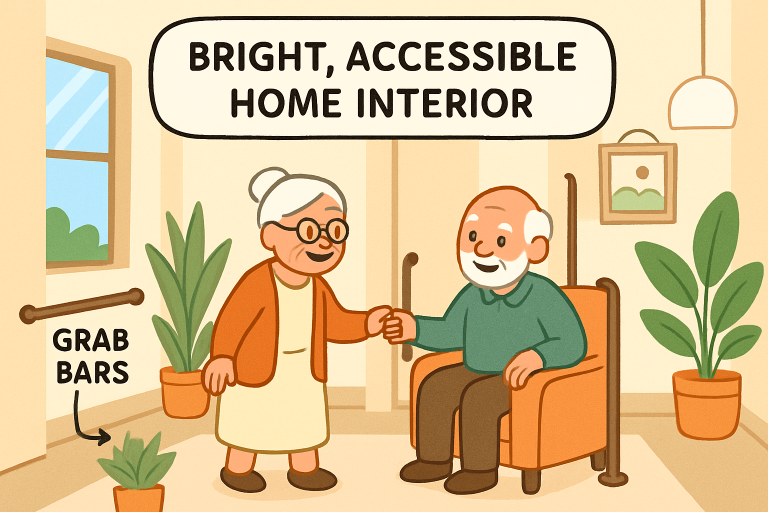
Designing with accessibility in mind is the foundation of any senior living project. Universal design principles provide solutions usable by people of all mobility levels. Features such as step-free entrances, wide hallways, and non-slip flooring improve movement and minimize risks. Installing grab bars and clear signage further supports those with mobility or cognitive impairments.
- Step-free access at all entryways
- Wide doorways and corridors for wheelchairs and walkers
- Non-slip floors in bathrooms and kitchens, where falls are common
- Strategically placed grab bars throughout the residence
- Well-lit exterior pathways and seating areas for safe outdoor use
Embracing universal design also means considering sensory impairments and providing adaptable, multi-use areas that accommodate a range of needs and preferences.
Wellness and Biophilic Design
Integrating natural elements into living spaces has a profound effect on seniors’ mental and physical well-being. Biophilic design, which focuses on nature-inspired features, improves mood, reduces stress, and supports better sleep. Maximizing natural light, creating indoor-outdoor transitions, and incorporating plants all contribute to a more restorative environment.
- Large, unobstructed windows to boost daylight exposure
- Accessible gardens and walking paths
- Lighting that mimics the natural progression of daylight
- On-site fitness, spa, and mindfulness programs
These strategies support wellness and encourage seniors to remain active and engaged, both physically and socially. According to the National Institute on Aging, regular physical activity can significantly improve overall well-being.
Social Interaction and Community Engagement
Opportunities for socialization are vital to mental and emotional health in later life. Thoughtful design encourages residents to engage with community life, helping alleviate loneliness and fostering a strong sense of belonging.
- Comfortable lounges and recreational rooms for informal gatherings
- Multipurpose spaces for clubs, classes, and community events
- Activity-friendly outdoor areas, such as gardens and sports courts
- Spaces designed for visits from family and friends, including children
These communal features promote intergenerational interaction and sustained engagement, contributing to a richer and more supportive living environment.
Safety and Smart Technology Integration
Advancements in smart technology have introduced new ways to keep seniors safe and independent. Modern living spaces can include responsive emergency systems, automated lighting, and voice-activated controls. These features provide reassurance and convenience for both residents and caregivers.
- Emergency call systems in common areas and private units
- Fall detection sensors with direct alerts to staff
- Automated lights, thermostat controls, and security features
- Voice command systems for accessibility and comfort
Such technologies streamline daily routines and offer peace of mind, ensuring help is always within reach.
Personalized Living Spaces
Allowing residents to personalize their living areas creates a true sense of home. Spaces can be tailored to each individual’s tastes and routines, from choosing color schemes to incorporating cherished items and furniture.
- Soft, calming color palettes to support relaxation
- Photos, artwork, and keepsakes for personal connection
- Adaptable furniture layouts to suit mobility and preferences
- Accessible, supportive furnishings for daily comfort
This personal approach contributes to emotional well-being and helps seniors feel settled and secure in their environment.
Sustainable and Eco-Friendly Materials
Sustainability is increasingly important in modern design. Using eco-friendly materials and systems benefits not only the planet but also resident health. Low-VOC paints and finishes improve indoor air quality, while energy-efficient appliances reduce environmental impact.
- Non-toxic, durable, and easy-to-clean surfaces
- Energy-saving lighting and appliances
- Water conservation via low-flow fixtures
- Long-lasting materials that minimize waste and maintenance
Ecological choices align with contemporary values while supporting physical well-being in everyday life.
Operational Efficiency in Design
Efficient layouts and operational planning ensure that both residents and staff enjoy a seamless living experience. Well-placed staff stations and flexible rooms support day-to-day care and recreational needs while keeping pathways clear and intuitive.
- Staff visibility for faster response to resident needs
- Efficient workflows to streamline caregiving
- Rooms that easily transition between activities and uses
- Clear, logical circulation paths throughout the facility
This balance enhances comfort and supports high-quality service delivery.
Connection with Nature
Access to outdoor spaces and natural views increases feelings of happiness and security. Incorporating large windows, natural materials, and landscaped patios connects residents with their surroundings and encourages regular time outdoors.
- Gardens and terraces are accessible to residents of all abilities
- Wide, easy-to-navigate outdoor walkways
- Use of stone, wood, and earthy tones inside and outside
- Plenty of fresh air through cross-ventilation
Sustained interaction with nature is proven to support both mental and physical health, making this a key principle in senior living design.
Final Thoughts
Designing senior-friendly living spaces involves addressing a spectrum of needs, from accessibility and wellness to community, technology, and sustainability. By embracing thoughtful, adaptable design and leveraging innovative resources, it is possible to create enriching environments where seniors can enjoy independence, dignity, and long-lasting well-being.