Homeowners often overlook the importance of routine plumbing maintenance until they are faced with inconvenient and expensive repairs. Ensuring your plumbing system is well-maintained can save you substantial money and stress in the long run. By implementing regular maintenance, you not only extend the life of your plumbing fixtures but also create a healthier and safer home environment. Whether you’re seeking practical DIY tips or professional support, such as a medical gas installer in Florida, learning how to protect your home through proactive plumbing care is essential.
Major water leaks, often undetected for extended periods, are a leading source of property damage in American homes. In fact, according to the EPA, household leaks can waste nearly 1 trillion gallons of water nationwide each year. Establishing a consistent maintenance routine protects your most significant investment—your home—from these and other costly plumbing disasters.
Table of Contents
Regular Inspections
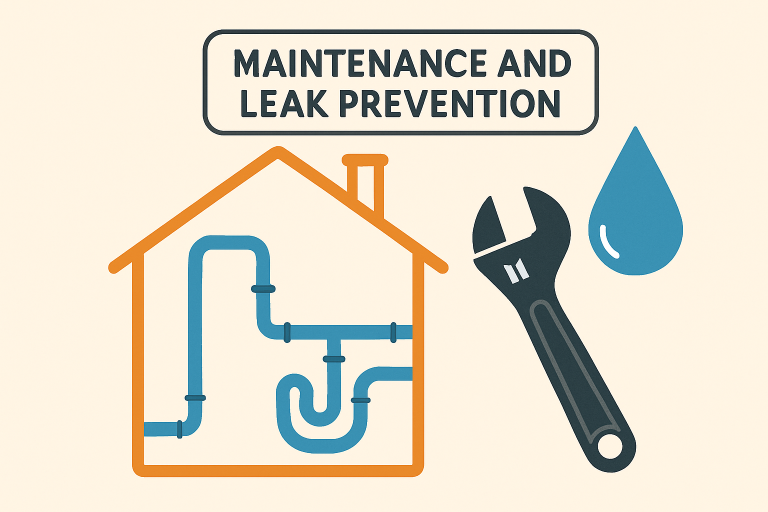
Routine inspections of your home’s plumbing can catch minor issues before they become major headaches. Start by examining exposed pipes under sinks and in basements or crawl spaces for signs of leaks, corrosion, or damage. Keep an eye out for water stains on ceilings and walls, which can indicate concealed leaks within walls or floors. Early detection allows you to take prompt action, saving yourself from high repair costs and water damage.
Appliance hoses also deserve attention. Laundry machines and dishwashers can develop leaks at connection points. Replace brittle or bulging hoses immediately. These simple inspections, performed quarterly, can shield your home from unexpected plumbing failures.
Drain Maintenance
Clean, working drains are fundamental to maintaining the integrity of your plumbing system. Never pour grease, oils, coffee grounds, or fibrous vegetables such as celery and potato peels down the kitchen sink. In the bathroom, be proactive and use drain strainers to catch hair, soap scum, and small objects.
Monthly drain cleaning, using safe solutions like a mix of baking soda followed by vinegar and hot water, can help prevent buildup that leads to clogs. Regular drain attention not only keeps water flowing freely but also keeps odors at bay.
Water Heater Care
Water heaters are often overlooked until something goes wrong, but a poorly maintained heater can lose efficiency, raise energy bills, and cause water damage. Annually flushing your water heater tank removes harmful sediment that can settle at the bottom, reducing capacity and efficiency.
Always set your water heater thermostat to the manufacturer’s recommended setting, typically 120°F, to avoid overheating and lower your energy bills. Inspect the tank and surrounding area for rust or leaks, as undetected leaks can cause deterioration of floors and walls over time. Remember, mineral-rich or “hard” water accelerates sediment buildup, making maintenance even more crucial in areas with such water.
Leak Detection
Silent leaks can cause significant damage, especially when concealed within walls or beneath floors. Pay close attention to faucets, toilets, and connections for drops of water or moisture. A simple and effective way to detect leaks in toilets is by adding a few drops of food coloring to the tank. If the color appears in the bowl without flushing, there’s a leak in need of repair.
Promptly resolving even small leaks is essential, as ongoing drips can waste hundreds of gallons of water each year, increasing both your water bill and your risk of water damage. Larger leaks, if left unaddressed, may lead to structural problems, foster mold growth, and weaken your home’s foundation.
Pipe Insulation
Frozen pipes pose a severe risk during winter, especially in unheated areas such as basements, attics, and garages. When water freezes, it expands, leading to pipe bursts and significant flooding. Wrapping pipes with foam insulation or using heat tape is a straightforward way to prevent freezing and bursting.
This relatively inexpensive upgrade not only guards against expensive repairs but can also increase energy efficiency throughout your plumbing system—water stays warmer as it moves through insulated pipes. When preparing for cold weather, be sure to insulate outdoor spigots and disconnect hoses as well.
Seeking Professional Assistance
While most of the above maintenance can be handled by diligent homeowners, there are times when an expert’s knowledge and specialized tools are needed. Schedule an annual inspection with a licensed plumber who can identify issues not apparent to the untrained eye—such as subtle pipe deterioration, early signs of root intrusion, or backflow prevention device failures.
Professional plumbers utilize advanced equipment to diagnose hidden problems, providing solutions before minor issues escalate into expensive emergencies. This is particularly important when installing more complex systems or components, such as water-saving fixtures, sump pumps, or when you require a medical-grade system upgrade.
Proactive plumbing care provides peace of mind and is a wise investment in your property and daily comfort. Consistent maintenance and regular consultations with a trusted professional can extend the life of your plumbing, reduce utility costs, and prevent the inconvenience and expense of water damage.