Table of Contents
What Are Pain and Suffering Damages?
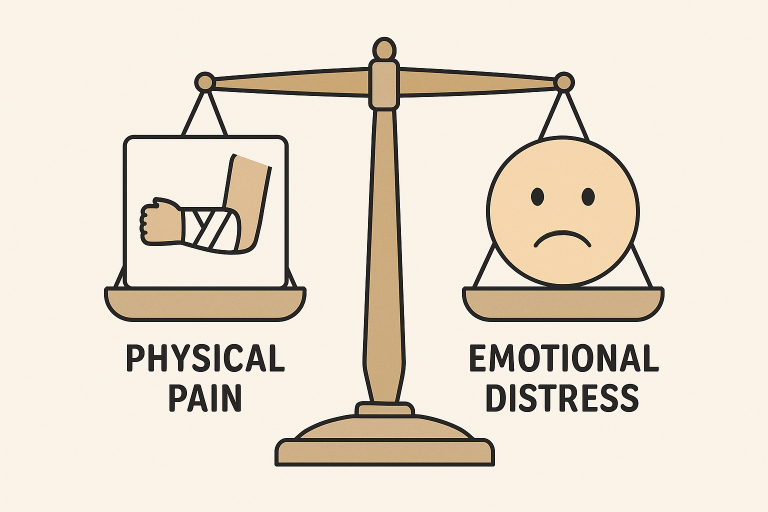
In personal injury law, pain and suffering damages are awarded to recognize the physical pain and emotional trauma a victim endures as a result of an accident or injury. These damages do not correspond to easily quantifiable financial losses, such as hospital bills or lost income. Still, they play a significant role in helping an injured person recover after a traumatic event. For those seeking to recover these types of damages, consulting experienced attorneys, such as those at quinnlawyers.com, can make a substantial difference in the outcome of a claim.
Pain and suffering damages are designed to cover the intangible effects of an injury, such as ongoing discomfort, anxiety, depression, loss of enjoyment of life, and the impact on relationships and daily life. Since these damages lack precise financial values, courts and insurance companies use various methods to determine fair compensation amounts.
Calculating Pain and Suffering Damages
Calculating pain and suffering damages involves several subjective and objective factors. While economic damages can be tallied from receipts and wage records, pain and suffering require a deeper consideration of how the injury has altered the victim’s life. Courts and insurance companies typically evaluate the nature and extent of the physical injuries, the expected duration of recovery, and the psychological consequences for the victim.
Often, two primary methods are used: the “multiplier” method, where economic damages are multiplied by a factor based on injury severity; and the “per diem” approach, which assigns a dollar amount to each day the victim suffers, multiplied by the recovery period. These approaches are only starting points, as each case is evaluated on its own merits and circumstances.
State Variations in Pain and Suffering Awards
Pain-and-suffering compensation can vary dramatically across the United States. Some states limit (or cap) the amount that can be awarded for these non-economic damages, particularly in medical malpractice cases. California’s Medical Injury Compensation Reform Act (MICRA), for example, places a $250,000 cap on non-economic damages in medical malpractice cases. However, it does not apply to personal injury cases stemming from car accidents or premises liability. Learn more about the details of MICRA and its impact on compensation.
Other states do not have such caps, which means jury awards can be much higher, especially in cases with significant, lifelong impacts. Understanding your relevant state laws is essential when considering legal action, as rules about limitations, eligibility, and maximum awards will directly affect your claim.
Notable Case Examples
Reviewing real-world case examples can shed light on how pain and suffering damages are awarded. In 2017, the case of Tierney Darden made national headlines when she was awarded $148 million in damages after being paralyzed in a freak accident at Chicago’s O’Hare International Airport. The compensation reflected the devastating, permanent nature of her injuries, along with the profound change to her quality of life. For further insight into this case and others, refer to reports from reputable outlets such as CBS News.
The Role of No-Fault Insurance Systems
In certain states, no-fault insurance laws require each driver’s insurance to pay for their own medical expenses and damages, regardless of which driver caused the accident. In these locations, legal claims for pain and suffering are generally restricted to cases involving severe injuries that meet a specific legal threshold. Understanding your state’s regulations and exceptions is vital when pursuing pain-and-suffering compensation in a no-fault system. For more information on state insurance laws, the NerdWallet guide on no-fault states provides a helpful overview.
Legal Representation and Pain and Suffering Claims
Given the complexity of non-economic damage claims, experienced legal representation is often indispensable. A qualified attorney helps demystify the claims process, ensures that all relevant medical and emotional evidence is gathered, and advocates for the victim’s best interests, whether negotiating a settlement or pursuing a trial. Attorneys can also evaluate when it may be advantageous to settle rather than go to court.
Factors Influencing Pain and Suffering Awards
Pain and suffering compensation depends on several factors, including:
- Severity and permanence of the injury
- Evidence of physical pain, emotional distress, and psychological impact
- Consequences for daily activities and quality of life
- Clarity and documentation of the injuries and related effects
- Relevant state laws or statutory caps that may apply
Victims who can demonstrate clear, ongoing impacts and present comprehensive documentation of their injuries tend to receive higher awards. Psychiatric evaluations, journals documenting pain and emotional distress, and testimony from family and friends can all bolster claims.
Conclusion
Pain and suffering damages represent a critical aspect of recovery for accident victims, addressing the intangible harms that accompany physical injuries. Since awards and calculations vary based on a host of factors, including the nature of the injury, jurisdiction, and quality of legal representation, it is essential to understand the governing legal framework and work with experienced professionals. For those navigating this challenging landscape, preparedness and expert guidance are key to ensuring a just outcome.