Septic systems serve as the backbone of wastewater management for households in areas that lack municipal sewer access. Understanding how these systems function and how regular care can extend their lifespan is essential for any property owner. Whether you are a new homeowner or long-time resident, prioritizing efficient maintenance not only protects your property but also supports the health of your local ecosystem. If you’re searching for reliable local guidance, you can find more information here: septic service Owasso.
Without regular upkeep, a septic system can become a costly liability. This article breaks down the biological science occurring inside your tank and provides actionable maintenance tips any homeowner can follow. When properly managed, a septic system efficiently treats household wastewater, helps preserve drinking water quality, and prevents contamination that could threaten community health. Simple practices, such as water conservation and responsible drain use, add years of trouble-free service to these systems. Furthermore, learning about emerging technologies and common misconceptions can help you make informed decisions about upgrades and maintenance.
Table of Contents
Understanding Septic Systems
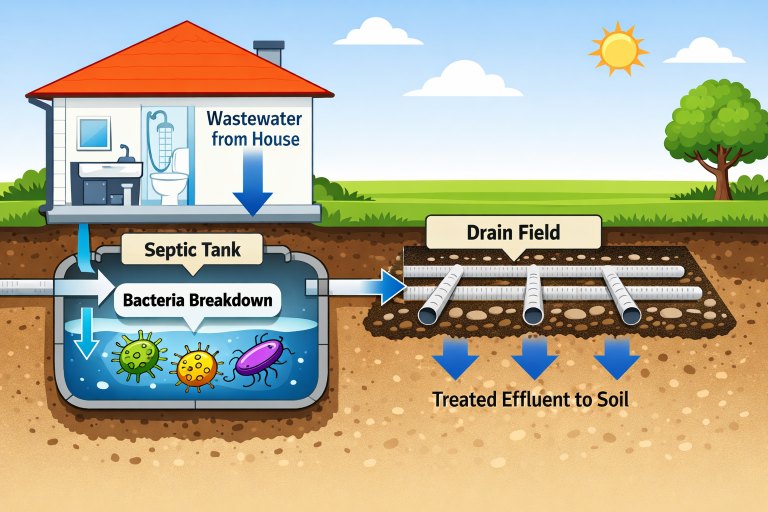
A standard septic system comprises a buried septic tank and a drain field. Wastewater from the home flows into the tank, where gravity allows solids to settle to the bottom, forming what’s called sludge, while lighter materials, such as oils and grease, form a scum layer on top. The liquid effluent in the middle then leaves the tank and flows into the drain field. Here, the wastewater percolates through the soil, where natural filtration processes remove pathogens and nutrients before the water eventually joins the groundwater supply. This natural filtration is a crucial line of defense for groundwater protection, and its effectiveness depends heavily on regular maintenance and correct usage.
Biological Processes in Septic Tanks
The heart of the septic system is the community of anaerobic bacteria breaking down solid waste inside the tank. These bacteria thrive in an oxygen-free environment and digest complex organic matter, converting it into water, gases, and a smaller amount of residual sludge. The health of this bacterial population can be compromised by the overuse of antibacterial cleaning agents, harsh chemicals, or sudden changes in water flow. Preserving the delicate microbial balance ensures efficient decomposition and helps avoid blockages or system failure. More information on septic biology can be found on the U.S. Environmental Protection Agency website.
Importance of Regular Maintenance
Septic system experts and agencies recommend that homeowners schedule professional inspections every 3 years and pump the tank approximately every 3 to 5 years, depending on household size and system use. This routine maintenance removes accumulated sludge and scum, preventing clogs that can lead to unsanitary backups, expensive repairs, or even full system replacement. Simple visual checks for water pooling in the yard or foul odors can serve as early warning signs of trouble. Regular maintenance not only protects your home’s plumbing but also shields local water sources from potential contamination.
Common Misconceptions About Septic Systems
A common myth is that septic systems require no maintenance unless a problem arises. In truth, regular service is key to avoiding emergencies and ensuring optimal function. Some believe that commercial additives or harsh chemicals will extend the system’s life or eliminate the need for pumping. These products can disrupt the tank’s bacterial ecosystem and may even damage components over time. The reliability of your septic system ultimately depends on sound, established maintenance routines, not quick fixes.
Best Practices for Septic System Care
- Water Conservation: Reducing the length of the water flow extends the life of your septic system. Installing low-flow toilets and showerheads, fixing leaks quickly, and spacing out laundry loads all help manage wastewater volume efficiently.
- Proper Waste Disposal: Limit what goes down the drain. Items such as wipes, cat litter, disposable diapers, and feminine hygiene products can quickly clog pipes and disrupt system function. Even some supposedly “flushable” products do not break down easily in septic environments.
- Landscaping Considerations: Keep trees and large shrubs at least 10 feet from the drain field to avoid damage from invasive roots. Only plant grass or shallow-rooted ground cover above the drain field for the best results and to maintain soil absorption capacity.
Environmental Impact of Septic Systems
Properly maintained septic systems prevent the spread of pathogens and keep pollutants out of the groundwater. When these systems fail, untreated wastewater can leak into rainwater or local wells, posing health risks and damaging sensitive environments. This is especially important in rural and semi-rural areas where drinking water often comes from neighborhood wells. Efficient system care reduces the potential for nitrogen and phosphorus runoff, which can affect streams, lakes, and wildlife habitats.
Innovations in Septic System Technology
Today’s septic industry includes technologies like aerobic treatment units, oxygen-releasing tablets, and advanced monitoring systems. Aerobic units introduce oxygen to the system, allowing aerobic bacteria to thrive and break down waste more efficiently than traditional tanks. These upgrades can improve wastewater quality and lower environmental impact but are not suitable for every situation. Professional assessment is always recommended before making any upgrades, as regional soil conditions, household size, and local regulations will all impact system requirements.
Conclusion
Efficient septic system maintenance is an achievable mission for homeowners. By understanding the science behind your system, embracing regular inspections, and committing to responsible water use and waste disposal, you can preserve your investment for decades while protecting the ecosystem. Staying informed about new technologies and guarding against common myths will help you avoid unnecessary expenses and ensure a healthier environment for everyone.