Divorce is a major life event that brings a host of emotional and practical challenges. For many, knowing the options available can significantly reduce stress and uncertainty. Most couples will need to decide between a contested or uncontested divorce, two legal paths that affect every step of the process. Getting guidance from a divorce attorney Tampa can help individuals understand their options and protect their interests from the very beginning.
Understanding the distinctions between contested and uncontested divorce is crucial. Each route influences not only the legal process but also the time required, the cost involved, and the emotional impact on everyone involved. By approaching this decision with clear information, parties can choose a path that fits their circumstances and sets the stage for the next chapter of life.
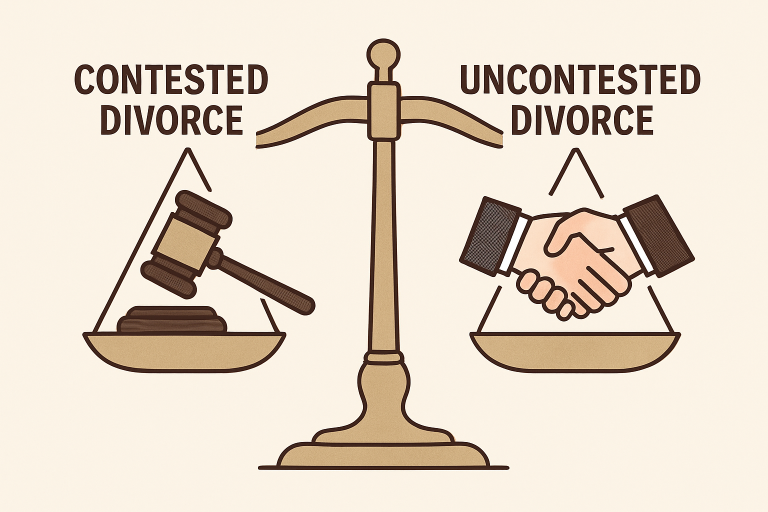
A contested divorce features disagreements on essential matters, often requiring a judge’s intervention. An uncontested divorce, meanwhile, allows both spouses to reach a complete agreement and avoid lengthy legal battles.
Both types share the common goal of ending a marriage, but the process and outcomes can vary greatly. Finding the best path involves careful evaluation of personal needs, goals, and the level of agreement between spouses.
Table of Contents
Definitions
A contested divorce occurs when spouses are unable to reach an agreement on one or more essential aspects of their separation. This often includes property division, child custody, and spousal or child support. Without consensus, court intervention becomes necessary to resolve the conflict and finalize the terms.
An uncontested divorce, by contrast, is possible when both parties negotiate and settle all details independently. This method emphasizes cooperation and typically leads to a quicker, more streamlined experience with less court involvement, making it a popular choice when feasible.
Legal Processes
Steps in a Contested Divorce
- Filing the initial divorce petition
- Legally serving the petition to the spouse
- Receiving a formal response from the other party
- Entering the discovery phase, where each side gathers evidence and documentation
- Participating in pre-trial hearings and attempting negotiation through mediation or settlement meetings
- Undergoing trial if no settlement is reached, where a judge makes the final decisions
This extended process usually involves multiple court appearances, significant paperwork, and more opportunities for tension or conflict.
Steps in an Uncontested Divorce
- Reaching an agreement on all required issues outside of court
- Drafting a comprehensive marital settlement agreement
- Submitting the agreement to the court for review
- Obtaining the court’s approval and final divorce decree
The simplicity of this approach often allows spouses to move forward more quickly and with fewer legal fees or procedural complications. Uncontested divorces are not only less costly but can also reduce unnecessary animosity between parties.
Time and Cost
How long a divorce takes and how much it costs depend heavily on whether it is contested. The average contested divorce may drag on for more than a year, especially if either spouse contests custody or division of finances. Legal fees accumulate quickly, driving average costs into the tens of thousands of dollars. Expenses can include expert witness fees, discovery costs, and repeated court filings.
An uncontested divorce is usually finalized within a few months, sometimes as little as two or three. Costs are generally much lower as fewer court appearances and less attorney time are required. For most, legal fees and filing costs range from $3,000 to $8,000, though the total may vary depending on local court procedures and the complexity of marital assets.
Longer court battles not only add to legal costs but also incur hidden expenses, such as lost work time and increased emotional strain.
Emotional Impact
The stress of divorce is well-known, but the process chosen has a noticeable impact on the mental and emotional health of each spouse and any children. In contested divorces, adversarial proceedings, and repeated confrontations can escalate animosity, leading to lasting resentment and mental health burdens. Children, in particular, often experience additional distress when forced to witness ongoing parental conflict.
An uncontested divorce, on the other hand, fosters a cooperative environment. Spouses who work together can focus on solutions rather than problems, helping ease the emotional fallout for everyone involved. Developing a co-parenting relationship is typically easier in amicable splits, benefiting children’s well-being and family stability after divorce.
Choosing the Right Path
The right approach depends on the nature of the relationship, each party’s willingness to compromise, and the complexity of shared finances or custody concerns. For spouses who maintain open communication and share common goals, an uncontested divorce is generally preferable. It saves time, money, and emotional energy, and encourages a more positive post-divorce relationship.
However, when serious disputes arise over important matters or one party feels disadvantaged by the proposed terms, a contested divorce may be required to ensure fairness. Cases involving allegations of abuse, hidden assets, or overwhelming power imbalances usually require judicial oversight for a full and equitable resolution.
Conclusion
Ultimately, the difference between contested and uncontested divorce comes down to the level of agreement between spouses and how disputes are resolved. While uncontested divorces tend to be faster, less expensive, and less emotionally taxing, contested cases may be necessary when significant disagreements arise. Understanding these distinctions helps individuals choose the path that best protects their rights and supports a more stable transition forward.